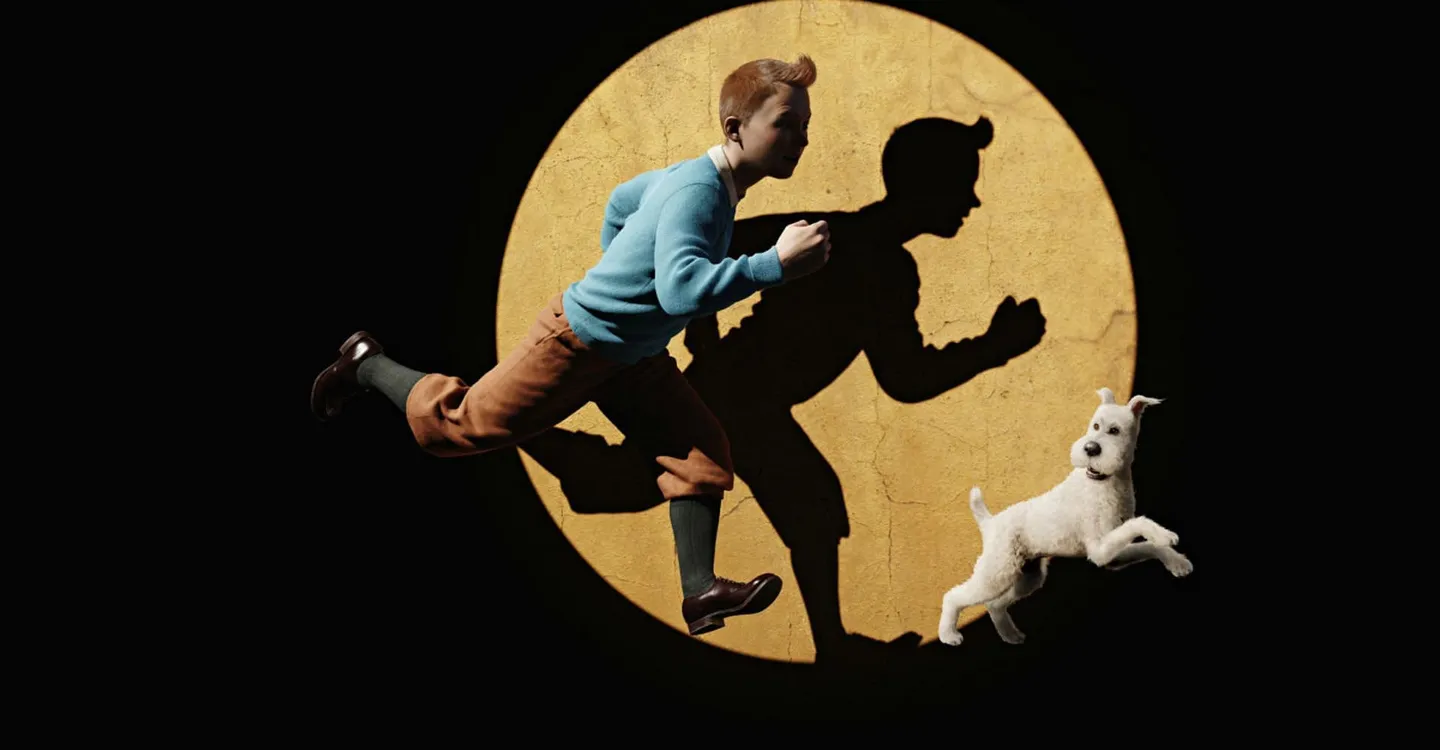
From Steven Spielberg To Bong Joon-ho, 10 Directors You Never Knew Did Animation

The world of animation is one of experimentation and ambition, with plenty of huge directors playing in the space. Some of the most prolific, like the duo of Chris Miller and Phil Lord or the Pixar veteran Brad Bird, have plenty of experience helming animated movies before making their way towards live-action features. Other directors got their start in live-action before embracing their love for animation in their own films.
Those ranks are about to be joined by Bong Joon-ho, who is following up Mickey 17 (2025) with his first animated feature. This means he’s following in a long tradition established over the last four decades of major filmmakers leaving blockbuster territory for the warmth of a good cartoon. Here are ten of the most prolific big-budget film directors you may not have realized have an animated project under their belts. Check out their animated work on Prime Video, Disney+, and more!

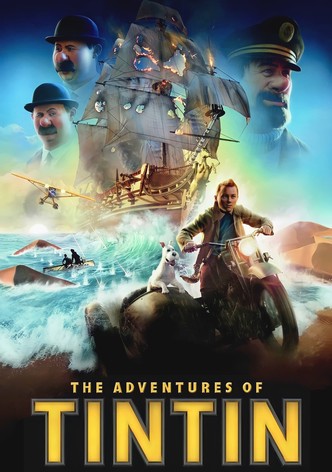


One of the most prolific Hollywood filmmakers of all time, Steven Spielberg, actually has a long history of supporting animation. Spielberg is best known for his blockbuster films like Jaws (1975), Indiana Jones and the Raiders of the Lost Ark (1981), and Jurassic Park (1993). He's also a long-time fan of animation.
Spielberg finally got a shot at directing his own animated movie with The Adventures of Tintin (2011), adapting the classic books of the same name into a rip-roaring CGI adventure for broad audiences. Spielberg's also a producer on plenty of animated projects through his company Amblimation. This connects him to movies like An American Tail (1986) and Balto (1995), while his deal with Warner Animation helped lead to the production of shows like Tiny Toon Adventures (1990) and Animaniacs (1993).











George Miller is best known for his gonzo approach to action and sci-fi filmmaking, best personified in the Mad Max films. Between his original trilogy and Mad Max: Fury Road (2015), however, Miller turned his attention to animation. After delving into family films with Babe (1995), Miller directed Happy Feet (2006) and Happy Feet Two (2011), focusing on a tap-dancing penguin.
The musically inspired film was a genuine work of family-friendly art from the filmmaker, earning him an Academy Award for Best Animated Feature for the first film. Since then, Miller has returned to his more bombastic roots—although the colorful touches of his animation experience can definitely be seen in his modern Mad Max movies. While movies like Furiosa: A Mad Max Saga (2024) make a case for him continuing to work in that space, a return to animation might be fun to see from the director.


Like Spielberg, Robert Zemeckis is a director whose work has transcended their medium to become a pop-culture icon. Movies like Back to the Future (1985), Who Framed Roger Rabbit (1988), and Forrest Gump (1994) cemented him in the annals of cinematic history. He's also an important figure in animation history, as his interest in motion capture technology prompted him to helm three entirely mo-cap animated films.
Two of the animated films by the director, The Polar Express (2004) and A Christmas Carol (2009) have become holiday classics, while the fantasy epic Beowulf (2007) is the kind of throwback pulp action film that fans of Heavy Metal (1981) will love. While the visuals might not entirely hold up, Zemeckis’ ambition with the mo-cap animation was a big step in the technology that has helped set the stage for modern creations.





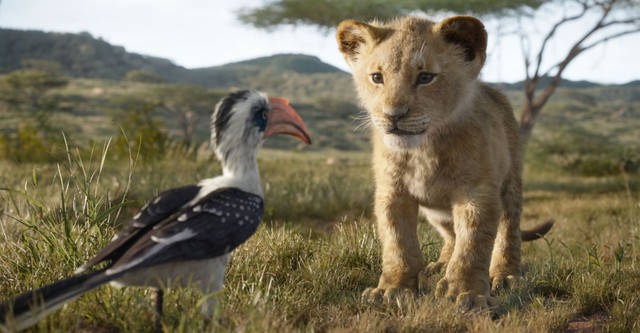

Getting his start as an actor in films like Swingers (1996), Jon Favreau has found greater success as a director—with some of his biggest films including the lovable cooking drama Chef (2014), the superhero action-packed Iron Man (2008), and the Star Wars spin-off The Mandalorian (2019). While the director has always had an eye for special effects in his films and TV shows, he's also experimented with realistic CGI animation in two of Disney's biggest remakes.
The Jungle Book (2016) is primarily CGI, with an impressive immersive effect bringing Neel Sethi's Mowgli into the digital landscapes. The Lion King (2019) took it even further, recreating the beloved Disney classic with a hyper-realistic form of digital animation. Still, the filmmaker used the freedom presented by the medium to create some massive set-pieces and huge visuals, pushing the realistic visuals to the limit thanks to clever digital editing.



Gore Verbinski has always had an eye for horror, with many of his biggest films like The Ring (2002) and Pirates of the Caribbean: The Curse of the Black Pearl (2003) benefiting from their scary imagery. The filmmaker took a bigger and sillier swing with his film Rango (2011), an animated western about a domesticated chameleon who finds himself trying to protect a small town in the West.
Retaining Verbinski’s strong sense of scares while sanding down the harsher elements for a younger audience, Rango was able to charm audiences when it debuted and even went on to win an Academy Award and a BAFTA for the filmmaker. Rango notably has that oddball touch that makes for the best Verbinski movies, playing with genre conventions and his own goofy sensibilities to great effect opposite the more harrowing aspects of his films.




Zack Snyder is one of the most visually distinct filmmakers of the 21st century, with a quickly recognizable approach to action filmmaking that employs a lot of digital trickery already. It's no surprise then that the filmmaker took the chance to create an animated story in the form of Twilight of the Gods (2024).
The animated series utilizes the intense action of Snyder's other famous films, like 300 (2007), using the animated medium to deliver some particularly high-octane brutality. The show is also one of the filmmaker's best recent projects, suggesting he should stick with animation for a while and continue experimenting with the format. Snyder’s stylish approach to action is an especially good fit for animation, with the show serving as a good example of that synergy.


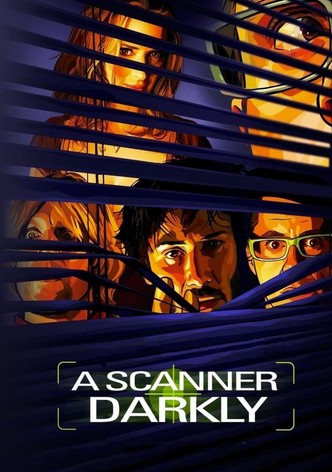
Much of Richard Linklater's career is perhaps best defined by his grounded character work in films like Dazed and Confused (1993) and Boyhood (2014). However, he's proven adept at experimenting with animation to create a mesmerizing effect across multiple films.
His animated narratives Waking Life (2001), A Scanner Darkly (2006), and Apollo 10½: A Space Age Childhood (2022) all benefit from his skill and sense of craft with the characters. These stories use the animation less as a chance to expand the world so much as a filter with the presentation, delivering on a uniquely off-putting approach. The films aren't good picks for audiences who are looking for a lighthearted time, but the craft and ambition of the projects make them great picks for anyone looking to see how far Linklater's drama can go.


Charlie Kaufman is one of modern cinema’s most experimental filmmakers from a narrative perspective, with movies like Being John Malkovich (1999), Adaptation (2002), and Eternal Sunshine of the Spotless Mind (2004) all messing with the underlying rules of typical narrative storytelling to deliver subversive and compelling stories.
One of Kaufman’s most grounded movies is actually his animated movie, Anomalisa (2015), a quietly tragic human drama that uses the animated puppetry to depict a world of powerful dignity. Anomalisa, being one of Kaufman’s most painfully human films despite its animated nature, feels like the perfect meta joke about the filmmaker’s work. Kaufman’s somber attitude might not be the kind of tone most people expect when they think of cartoons, but the thematic weight and emotional strength of the storytelling is something to behold.


David Fincher’s talent for bringing gritty worlds to life has delivered some truly great films over the years, with the likes of Fight Club (1999) and Gone Girl (2014) fusing the director’s love of pulpy material with the tight direction that defines his typical approach to filmmaking.
Fincher is also a long-time fan of Heavy Metal, and famously went on to become a major force behind Love, Death & Robots (2019) when he couldn’t get the rights to make a new adaptation of that classic anthology. The new one is based on a medley of novels and stories across sci-fi and horror, ranging from darkly funny and hauntingly beautiful to just straight-up horror. Fincher directed the episode from Season 3, "Bad Travelling,” giving him a chance to helm an animated project instead of just producing one.


Luc Besson's bombastic approach to filmmaking has delivered some wild adventures of the years, with Leon: The Professional (1994) and The Fifth Element (1997) making the French director a cult favorite. While most of his films carry the sort of bombast that would work in an animated project, the filmmaker has only made one movie that openly embraces the Animation medium—Arthur and the Invisibles (2006).
The family fantasy film does feature some live-action elements, but the CGI creations are the real draw of the movie. It's a shame we haven't gotten more animated stories from the filmmaker, as his natural bombast would actually be a good fit for the medium. Something like Valerian and the City of a Thousand Planets (2017) would have looked amazing in animation.