Wildly Different Movies You Didn't Know Were By The Same Director
It’s only a matter of time in your filmmaking obsession before you start taking note of who directed your favorite movies. Much like everyone has a favorite sports team or a favorite car maker, who you choose as your favorite director says a lot about you. Do you enjoy the raucous action of a Tarantino film? The bleak suspense of Hitchcock’s classics? You’ll be tracking your favorite director’s career before you know it.
But with that may come a few surprises. Directing is as much art as anything else, and sometimes your favorite director may step out of their norm to experiment (or, let’s be real, to get a paycheck to fund their next venture). Take, for example, these 10 dueling choices of films, a selection of wildly different movies that are by the same director, and our handy guide for where you can watch them all on streamers like HBO Max, Hulu, and more. You may not think about your favorite director the same after seeing what they did just a few years apart.
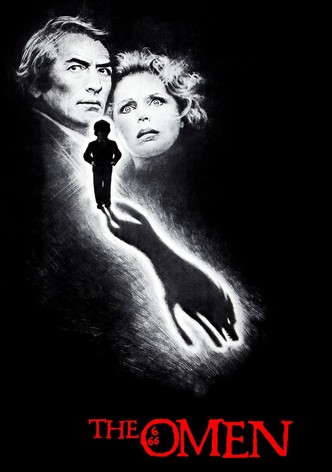
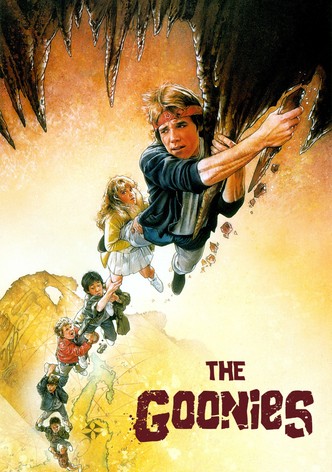
The Omen (1976) & The Goonies (1985) by Richard Donner
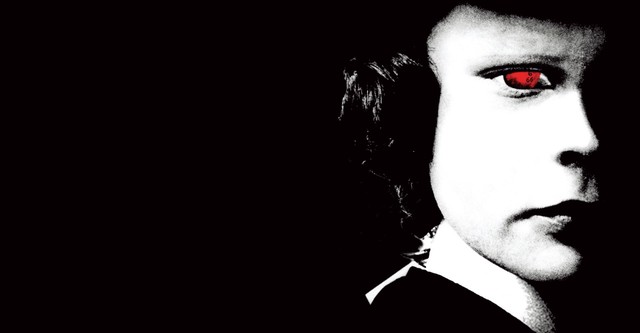
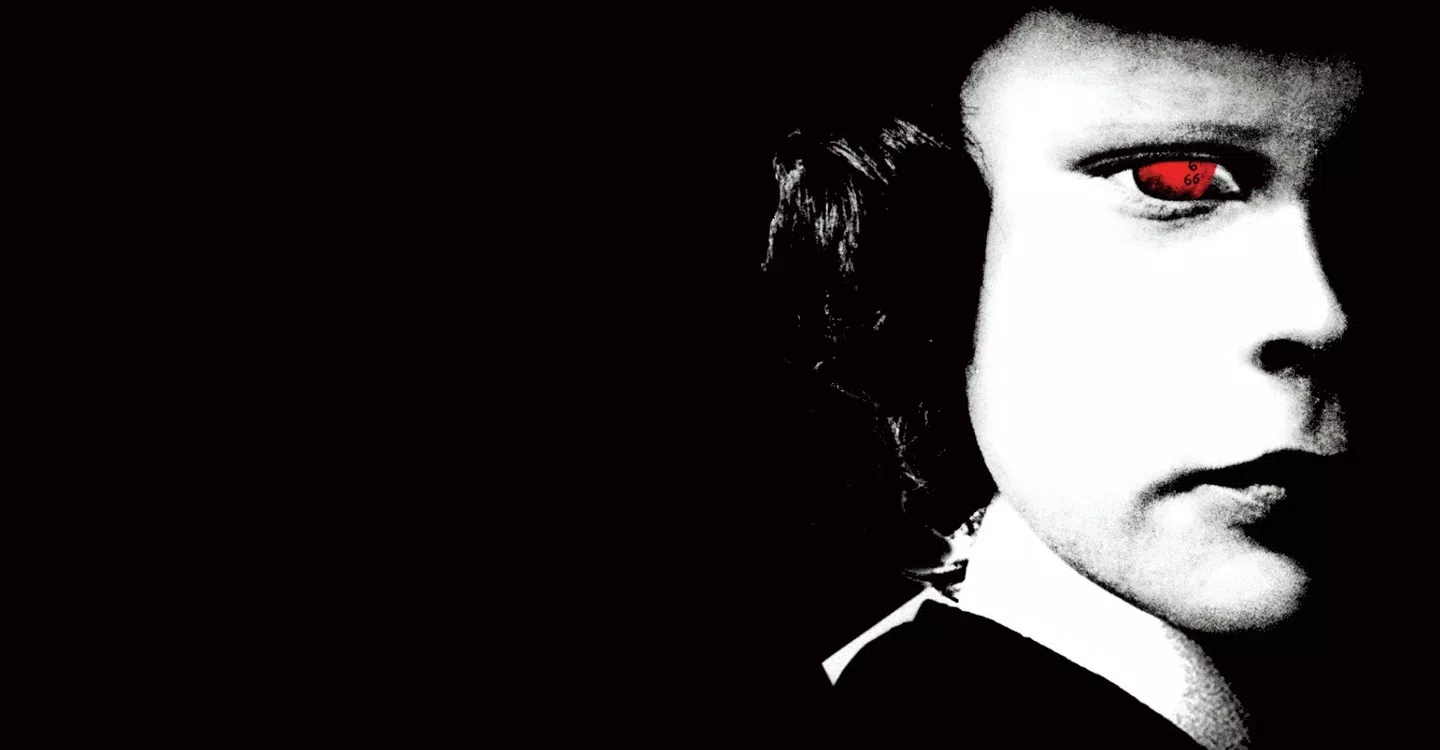
When you think of iconic horror movies, you likely think of The Omen, the horrifying 1976 tale of a boy destined to be the Antichrist. What you might not think about is the film Richard Donner made just over a year later, 1985’s all-ages classic, The Goonies.
The reality is that Donner was a director with an incredible range. Sure, he made Superman: The Movie (1978), easily one of the best superhero movies ever made, but he also helmed the quintessential buddy cop film franchise with Lethal Weapon (1987). From spine-tingling horrors to goofy action, Donner’s work shows a range most directors would kill for.
First Blood (1982) & Weekend at Bernie's (1989) by Ted Kotcheff
1982’s First Blood is the odd man out of the Rambo movies, but Ted Kotcheff did something really special with this film. First Blood is a gripping, slow, haunting thriller, less about a musclebound hero saving the day and more about a traumatized veteran who had been abandoned by his country. It is, for my money, the actual best Rambo film, as it’s the only one that humanizes the character.
Just a few years later, Kotcheff made… Weekend at Bernie’s, a wild comedy about two guys trying to secure a promotion by parading their dead boss around. You couldn’t really pick two more different films, but, for better or for worse, Kotcheff makes them work, as Weekend at Bernie’s is still a part of the pop culture discussion today and perfect for fans of outlandish comedies.
When Harry Met Sally… (1989) & Misery (1990) by Rob Reiner
While our previously discussed entries go from horror to lighter fare, acclaimed filmmaker Rob Reiner did the opposite and earned praise for it. 1989’s When Harry Met Sally… remains the definitive rom-com for a generation, a tale of two wayward lovers and the decade between them. But his very next movie was a different kind of romantic tale, one of toxic obsession.
Misery is an adaptation of the Stephen King novel about a popular author who is held captive by an obsessed fan. Both When Harry Met Sally… and Misery became pop culture touchstones: one, the definitive ‘80s comedy and the other an unforgettable thriller to kick off the ‘90s. The one you prefer will entirely depend on your taste.
Braindead (1992) and The Lord of the Rings (2001) by Peter Jackson
Released in New Zealand in 1992, Braindead is a bit of an unsung hero of filmmaking. It was the last of acclaimed director Peter Jackson’s “splatter” era, a movie hailed as the goriest ever committed to film. And even though it got a US release (though it was retitled Dead Alive), the movie failed to make much of an impact. That is, until Jackson blew up big time.
After a handful of more traditional studio films, Jackson made history helming The Lord of the Rings trilogy. As a result, Braindead was reappraised by horror fans, who came back around on the goofy, campy fun. It couldn’t be more different than The Lord of the Rings, but both films highlight the ingenuity and love Jackson puts into all his projects.
GoldenEye (1995) & Green Lantern (2011) by Martin Campbell
Martin Campbell surprised the world when he brought back James Bond with GoldenEye in 1995. The film, which starred longtime fan-favorite casting choice Pierce Brosnan as the perennially English superspy, kept the more serious tone that previous films had attempted and grounded Bond in a world of intrigue. Campbell did so well at it that he came back in 2006 and saved Bond again with another reboot, Casino Royale (2006)!
So it’s a bit of a shocker that after that, he made the notorious cosmic stinker Green Lantern. To Campbell’s credit, he was saddled with a production already in trouble and a star he didn’t want (and who didn’t want him), but it’s still wild that the director of two legendary James Bond films couldn’t do more with Green Lantern. If you like cheesy superhero movies, then you might actually enjoy Green Lantern, but Campbell’s Bond films are inarguably the stronger choices for action thriller fans.
The Godfather (1972) & Jack (1996) by Francis Ford Coppola
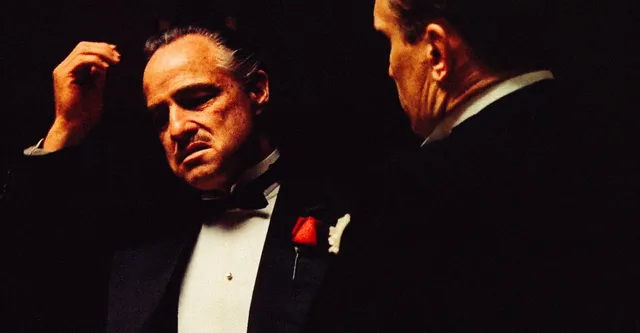
1972’s The Godfather is a must-see film for any generation. This was the definitive mafia film, long before Goodfellas (1990) became everyone’s dad’s favorite movie. Francis Ford Coppola made a once-in-a-lifetime masterpiece, the story of a man reluctantly getting drawn into his family’s business and the way it changes his life, for better and for worse.
Coppola was behind several of the greatest dramas of any age, which is why 1996’s Jack stands out so much. Reportedly made because Coppola wanted to work with his good friend Robin Williams, this critically panned melodrama about a 10-year-old boy who ages so fast that he looks 40 might just be the polar opposite of everything The Godfather was. It’s hard to say that you’ll like Jack if you liked The Godfather, but if you must see everything Coppola directed, add these to your list.
RoboCop (1987) & Showgirls (1995) by Paul Verhoeven
If The Godfather is the definitive gangster movie, then RoboCop is the definitive science-fiction film of the ‘80s. Paul Verhoeven took what should have been a by-the-numbers, hyperviolent schlock film about a murdered cop reborn as a robotic law enforcement officer and turned it into something with emotion and pathos. It also started a hell of a run for Verhoeven, who followed it with the introspective Total Recall (1990) and the definitive erotic thriller, Basic Instinct (1992).
That said, it may surprise you to learn that the streak ended with the most infamous flop of the ‘90s, Showgirls. Verhoeven’s trademark bombastic style and wit are present in Showgirls, but the film is so crass and campy that it just doesn’t work. Fortunately, you can see a bit of Verhoeven’s style slip back in with 1997’s Starship Troopers, though it sadly soared right over the heads of audiences who took it at face value at the time.
The Muppets Take Manhattan (1984) & The Score (2001) by Frank Oz
Frank Oz is an accomplished director by any means, but he’s probably still best known for his puppeteering work, be it as Yoda in The Empire Strikes Back (1980) or, in this case, as a cavalcade of characters in his first solo directorial effort, The Muppets Take Manhattan, where he portrays Miss Piggy, Fozzie Bear, and more. It may surprise you, though, to learn that Oz has had a prolific non-Muppet career, too.
Perhaps the highlight is 2001’s The Score, though not for any reason you may imagine. The film, which stars Robert De Niro and Edward Norton as a pair of thieves trying to steal a valuable sceptre, is notable for being Marlon Brando’s final film role. Brando, naturally, was reportedly cantankerous on set and repeatedly clashed with Oz, meaning this film goes down in history for all the wrong reasons. Still, it’s a solid enough watch for fans of heist movies wanting to see a big-name cast do their thing.
Babe (1995) & Mad Max: Fury Road (2015) by George Miller
Okay, this is probably the one everyone knows by now, but it wouldn’t be a list of different films by one director without it. George Miller has had a prolific career, and it’s all thanks to his Mad Max films. Set in a dystopian future, Miller’s work on Mad Max has become generational, presenting not a lore-heavy franchise, but as a series of epics with a mythical, ageless figure in the titular Mad Max, all the way through 2015’s groundbreaking Mad Max: Fury Road.
They’re dark, gritty, apocalyptic films with a serious, haunting tone. However, George Miller also directed Babe, the adaptation of a beloved children’s book about a pig who wants to herd sheep. They are truly polar opposites, but Miller makes both work thanks to his sincere approach to the material and his genuinely underrated directorial style.
Crouching Tiger, Hidden Dragon (2000) & Brokeback Mountain (2005) by Ang Lee
Ang Lee has had a prolific but fairly uneven career, to say the least. If you want to know what that means, look no further than his two biggest hits. He took the world by storm with 2000’s Crouching Tiger, Hidden Dragon, a romantic epic wrapped up in a shiny martial arts coating. That wirework-heavy martial arts style made Crouching Tiger a brief sensation, cementing a Western fascination with martial arts films that had begun with The Matrix (1999). It also made Lee, who had been directing movies for decades at this point, a prominent figure.
Still, his background was in romantic dramas, not action flicks, so it shouldn’t be a surprise that he was also behind the masterful and equally important Brokeback Mountain, the critically acclaimed Western about the struggles of two gay lovers in the American Midwest. It’s a bit of a surprise for new fans to realize Brokeback Mountain and Crouching Tiger, Hidden Dragon are by the same director, given how fundamentally different they are, but it’s a testament to Ang Lee’s skill that both films work so well and are so highly regarded among all types of audiences.