
The 98th Academy Awards are set to be a historic event for the film industry, with Sinners (2025), Hamnet (2025), and One Battle After Another (2025) projected to be the frontrunners in many of the categories. It could be a historic victory for Ryan Coogler or Chloé Zhao, who would either become the first Black director or the first repeat female director to take home Best Director if they win. However, many industry predictors believe the award will end up going to Paul Thomas Anderson.
On top of One Battle After Another being an impressive film, it would also be a good chance for the Academy to celebrate Anderson, who has been one of Hollywood’s most acclaimed filmmakers of the last few decades but has yet to win Best Director. If the Academy doesn’t give him the award, however, he’d be in good company. Here are ten of the most legendary directors of all time who never managed to win Best Director at the Academy Awards.
Alfred Hitchcock (5 Nominations)
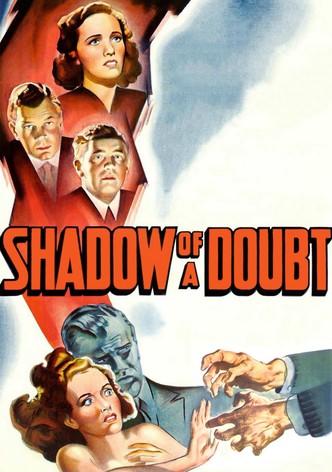
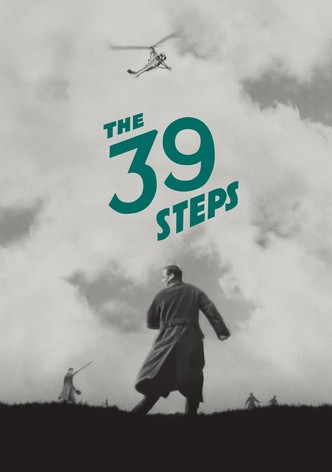
One of the most important and influential film directors of all time, Alfred Hitchcock’s inability to win Best Director at the Oscars feels like one of the Academy Awards’ greatest oversights. Coming up during the early days of cinema and gradually growing into the father of the thriller genre, Hitchcock’s early films like The 39 Steps (1935) and Shadow of a Doubt (1943) illustrated the level of craft he brought to his works.
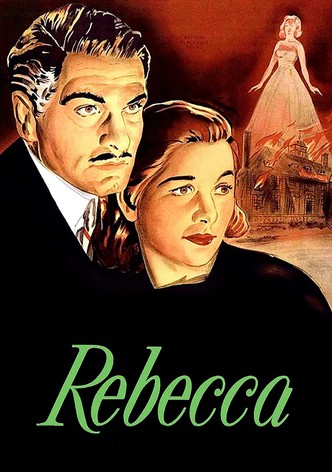
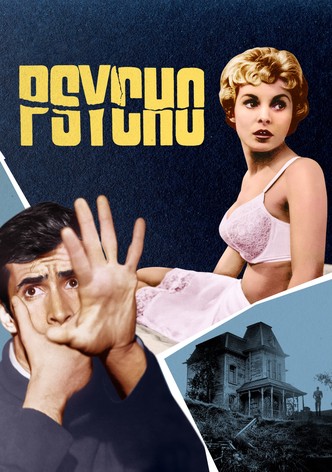
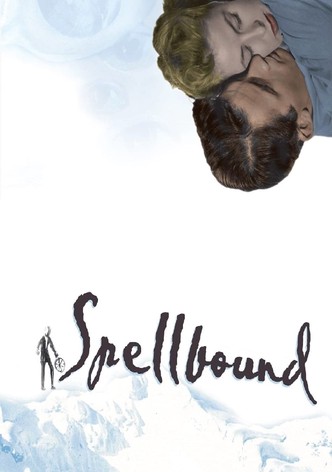
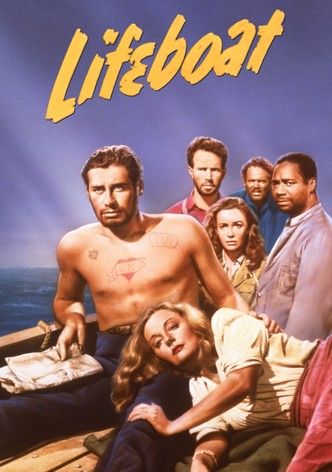
The legendary director was nominated five times for Best Director. While his losses for Rebecca (1940), Rear Window (1954), and Psycho (1960) were all somewhat understandable given that they were stacked up against other undeniable classics of the era, his losses for Spellbound (1945) and especially Lifeboat (1944), feel particularly egregious almost a century later.
Stanley Kubrick (4 Nominations)
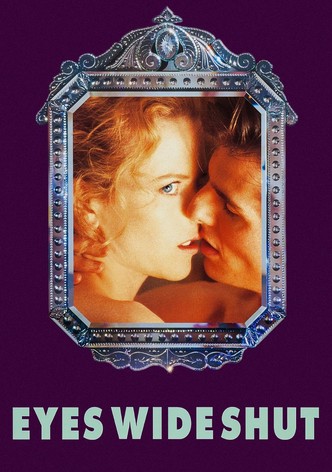
One of cinema’s most technically ambitious filmmakers, Stanley Kubrick played fast and loose with genre, leading to plenty of iconic (and wildly different) movies like Spartacus (1960), The Shining (1980), and Eyes Wide Shut (1999). Over the course of his career, he was nominated for four Best Director Oscars, but lost each one.
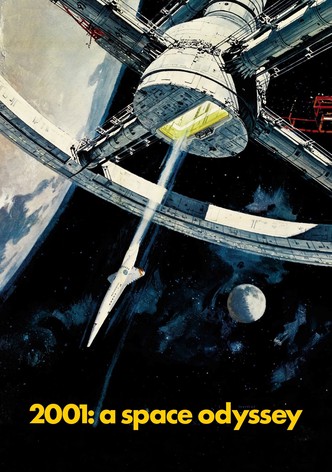
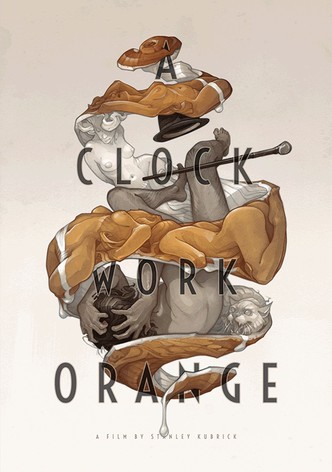
His comedy Dr. Strangelove (1964), sci-fi epic 2001: A Space Odyssey (1968), twisted satire A Clockwork Orange (1971), and historical epic Barry Lyndon (1975) each got nods, but couldn't take home the win. However, he did win an award for Best Special Visual Effects for the mesmerizing elements of 2001: A Space Odyssey. It’s a shame that Kubrick wasn’t honored with a Best Director award from the Academy, especially given his ability to play with genre and style while still retaining his personal touch.
Akira Kurosawa (0 Nominations)
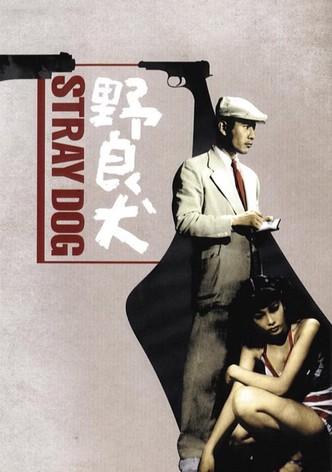
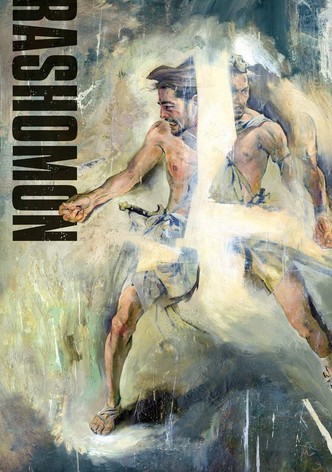
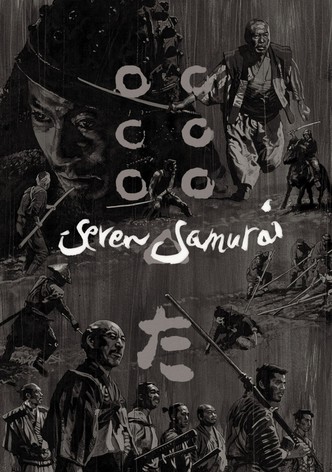
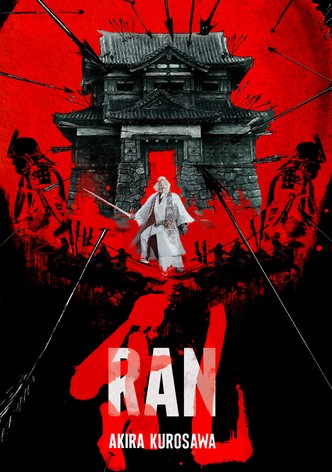
Despite being one of cinema's most gifted filmmakers ever, Akira Kurosawa never received a formal nomination for Best Director. The Japanese filmmaker is often regarded as one of the most effective directors of all time, with his movies like Stray Dog (1949), Rashomon (1950), Seven Samurai (1954), and Ran (1985) often held up as some of the best examples of movie-making in the 20th century.
This can largely be chalked up to the prior decades’ focus on Hollywood-produced films, with only a handful of international features ever breaking out in America before the turn of the century. While times have thankfully changed in recent years, it’s still a real disappointment that the Oscars never got to formally celebrate Kurosawa’s work—although they did award him a Lifetime Achievement Award towards the end of his career.
Robert Altman (5 Nominations)
Robert Altman was a terrific director, with an eye on human stories and grandiose settings that allowed him to tell ambitious stories, keeping the humanity clear. It made him exactly the kind of director that the Academy Awards tend to celebrate. Despite this, Altman only ever earned nominations for Best Director, failing to win the award five times over the course of his career.
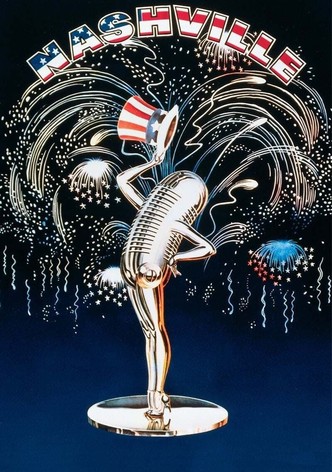
M*A*S*H (1970), Nashville (1975), The Player (1992), Short Cuts (1993), and Gosford Park (2001) were all worthy contenders, but as is often the case with overlooked figures in Oscar history, it was typically the strength of the competition that sank him more than anything else. He did manage to earn a BAFTA and Golden Globe for his direction, however, which helps soothe the sting of that disappointment a little bit.
Sidney Lumet (4 Nominations)
Sidney Lumet was a terrific director, with a filmography full of absolute classics like 12 Angry Men (1957), Dog Day Afternoon (1975), Network (1976), and The Verdict (1982) to his name. Despite nominations for Best Director for each of those films, Lumet was never able to take home the top prize from the Academy Awards.
Some of his best movies, including the Cold War drama Fail Safe (1964) and the cop thriller Serpico (1973) failed to even net him nominations. Notably, across his entire career, Lumet was nominated for 100 prestigious awards and actually won half of them—but the Academy Awards only ever gave him an Honorary Oscar. With one of the most impressive filmographies of any director in the 20th century and a certain timeless quality to his movies, that lack of recognition feels especially frustrating in retrospect.
David Lynch (3 Nominations)
One of Hollywood’s most unique and purposefully bizarre filmmakers, David Lynch was always going to struggle to break into the mainstream space, given the unique qualities of his filmmaking style and typical subject matter. Despite this, some of his best movies did manage to earn recognition from the Oscars, even if they never took home a win for Best Director.
The Elephant Man (1980), Blue Velvet (1986), and Mulholland Drive (2001) all earned nominations for Best Director, with The Elephant Man also earning him a Best Adapted Screenplay nomination. Lynch had better luck on the Film Festival circuit, earning major awards from the Cannes and Venice Festivals, and his work at least became synonymous with a certain strain of surrealism still identified by his influence on the format.
Spike Lee (1 Nomination)
Spike Lee earned a Student Academy Award while in college for Joe's Bed-Stuy Barbershop: We Cut Heads (1983), and has subsequently won plenty of accolades for his directorial efforts. Despite this, the filmmaker has never earned an award for Best Director. He's even only been nominated for that category once, for BlacKkKlansman (2018). He did manage to win a deserved award for Best Adapted Screenplay for that film.
He's also the only director on this list to have earned a nomination for Best Documentary Feature, for his beautifully constructed and utterly heartbreaking 4 Little Girls (1997). Still, the fact that the director’s undeniably powerful breakout hit Do the Right Thing (1989) and war film Da 5 Bloods (2020) didn’t get those nominations feels like the kind of oversights that led to the #OscarsSoWhite campaign that encouraged further diversity in the nominees.
Ridley Scott (3 Nominations)
One of the most successful blockbuster directors of all time, Ridley Scott has earned three nominations for Best Director, but hasn’t been able to translate that into victories. Scott has earned Oscar nods for Thelma & Louise (1991), Gladiator (2000), and Black Hawk Down (2001), though he didn't win an award for any of these.
Notably, some of Scott's most iconic movies, like Alien (1979) and Blade Runner (1982), failed to snag nominations for Best Director, but continue to inspire sci-fi fans decades after they debuted. His later work like Kingdom of Heaven (2005), American Gangster (2007), and The Last Duel (2021), all felt like they were perfectly positioned to earn nominations, but didn’t. The filmmaker has earned other awards, though, including two Emmys for The Gathering Storm (2002) and Gettysburg (2011).
Sergio Leone (0 Nominations)
Sergio Leone is one of the most influential filmmakers to ever work in the western genre, with the Italian filmmaker reshaping the genre in the ‘60s. His Dollars trilogy with Clint Eastwood—A Fistful of Dollars (1964), For a Few Dollars More (1965), and The Good, The Bad, and the Ugly (1966)—has influenced countless filmmakers.
Meanwhile, his Once Upon a Time trilogy—including Once Upon a Time in the West (1968) and Once Upon a Time in America (1984)—stands among the most ambitious and morally complex takes on the western and crime genre, respectively. Similar to Kurosawa, the Italian director's status as an international filmmaker might have been partly the reason for the Oscars' failure to recognize his work, although he did earn an honorary award to celebrate his overall career.
David Fincher (3 Nominations)
One of modern cinema’s most acclaimed directors, David Fincher, has helmed some of the most compelling dramas and thrillers of the 21st century. Despite the impact of his films like Fight Club (1999) and the blockbuster success of films like Zodiac (2007) and Gone Girl (2014), those movies didn't even earn a nomination.
While Fincher has gotten three nominations for Best Director, he wasn't able to earn a win for The Curious Case of Benjamin Button (2008), The Social Network (2010), or Mank (2020). Given that Fincher is still active in Hollywood, there's a good chance that he—like Spike Lee—still has a chance to earn a Best Director award. Still, the Academy’s lack of recognition for his earlier films still stings a bit.