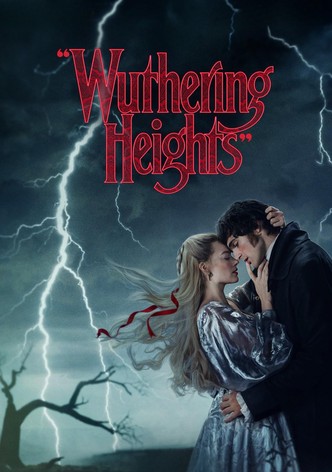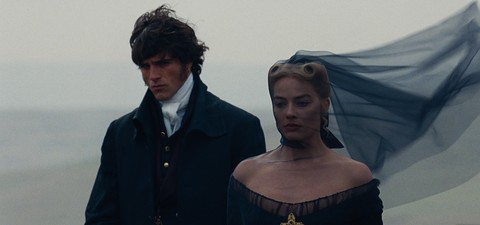

We’re barely two months into the new year, and already, 2026 is doling out what is most likely one of the most polarizing films of the year. “Wuthering Heights” (2026) has earned a ton of discussion in many circles of the film world, for better or worse. The film’s quality and status as a reimagining of Emily Brontë’s 1847 novel are definitely not to everyone’s taste and have left critics torn.
However, there’s a lot of artistry going on with the film. While there is plenty of negative buzz surrounding it, there’s also plenty of potential for it to be a genuine hit. Whether or not it’s a legitimate hit or one that becomes popular out of cultural derision, a la Morbius (2022), is yet to be seen.
As “Wuthering Heights” arrives in theaters, let’s break down its numerous controversies, early critical mauling, and why, despite all of that, it can still become a beloved hit this Valentine’s Day.
What Critics Are Saying About “Wuthering Heights”?
While only film outlets have seen “Wuthering Heights” at the time of writing, nearly every critic has come away from Emerald Fennell’s latest feature with their own hot takes. Because of that, the film sits at 66% on Rotten Tomatoes. Not terrible, but also not amazing.
The critics who hated “Wuthering Heights” showed nothing but disdain toward it. The biggest criticisms many outlets have involve how unfaithful the film is to the original novel. While movies like Frankenstein (2025) offered a tale that differed in parts from the source material, it still retained the spirit of Mary Shelley’s work. In contrast, many critics argue that “Wuthering Heights” fails as an adaptation. The characters are all shadows of their original selves and seem focused on one thing and one thing only—lust for each other.
To the film’s credit, many critics say that those lustful scenes are shot wonderfully. Fennell is an Academy Award-nominated director, and the sweeping shots of the United Kingdom countryside are breathtaking. Not only that, but Jacob Elordi carries a certain magnetism that shows why he’s this generation’s heartthrob. Still, in many critics’ eyes, none of that matters when Elordi’s love interest, Margot Robbie, is woefully miscast. The two of them are supposed to be young lovers pining for one another, but when Robbie, whose real age is 35, is meant to play a teenager, it doesn’t quite click.
Why Is This Adaptation So Divisive?
Given those reviews, it may seem fairly obvious why “Wuthering Heights” is so divisive. Robbie is miscast, Fennell’s erotic direction is unconventional, and it’s an oversimplification of a story that spans hundreds of pages into a two-hour and 16-minute film. Case closed, right? Not quite.
“Wuthering Heights” isn’t the first film to take a hatchet to its source material, like with Eragon (2006), and it won’t be the last. No, the problem that many people have is how Emerald Fennell openly doesn’t care about being faithful to the original story. It’s the reason why the film is stylized with quotation marks. It’s not a true adaptation, but rather her reimagining. Fennell approached the film the same way that she did when she read the original story at 14 years old. She remembered the lust and the Gothic Romanticism that helped it endure for nearly two centuries, so she decided to focus on that, damming all of the supporting characters and plot threads that didn’t help feed this direction.
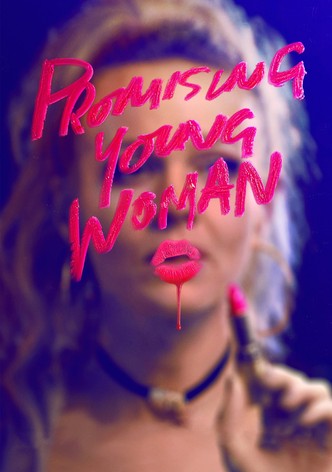
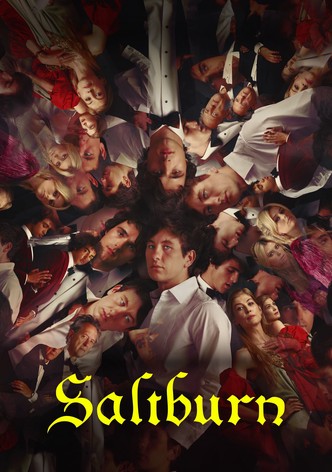
Fans of the novel may be aghast at that, but keep in mind that’s how Emerald Fennell has always behaved as a filmmaker. She’s a provocateur. Both of her prior films, Promising Young Woman (2020) and Saltburn (2023), pushed the boundaries of taste and comfort. Promising Young Woman is a modern take on the rape-revenge subgenre of film, and Saltburn is completely debauched to the point where there are graphic scenes of necrophilia and Barry Keogan licking Jacob Elordi’s bathtub for… whatever’s left over. So to see her eschew the themes of the novel to turn “Wuthering Heights” into a dark story of forbidden lust shouldn’t come as a surprise to anyone familiar with her work.
Why Audiences May Enjoy “Wuthering Heights” More Than Critics
So critics may hate “Wuthering Heights” for what it did to the novel, but general audiences are definitely more likely to enjoy the film for what it’s worth. Why? Because most people probably don’t have an encyclopedic knowledge of the novel.
I can only speak for myself, but while I read the novel back in college and saw a ballet rendition of it while studying in the UK, I don’t remember every core detail of it. Much like Fennell, I remember the dark and vengeful romance between Heathcliff and Catherine. Chances are, most people do, too, and that’s what they want to see. People love dark romances! Just look at the success of 50 Shades of Grey (2015), Edward Scissorhands (1990), and Blue Valentine (2010). Spicy and dangerous romances have always been popular with audiences, and “Wuthering Heights” is nothing if not spicy and dangerous.
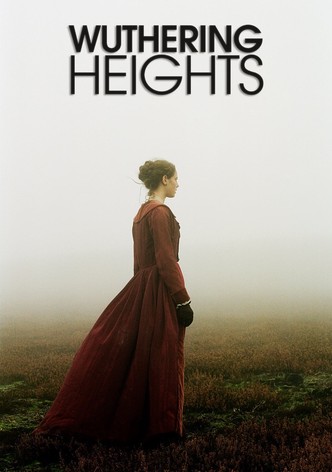
That isn’t to say that there isn’t a place for a faithful adaptation of Emily Brontë’s novel. Wuthering Heights (2011) exists, was beloved by critics, and is easily watchable on Prime Video, even if it completely tanked at the box office. There can be a world where both versions exist. Fans of the novel’s explorations of class, race, and period drama can watch the 2011 version, and the people who want to see Gone With the Wind (1939) by way of From Dusk Till Dawn (1996) have Emerald Fennell’s version. Even if “Wuthering Heights” ends up being horny “trash,” isn’t there merit in wonderfully made smut? I, at least, think there is.