This Animated Classic Nailed A ‘Cape Fear’ Parody Years Before Apple TV’s Remake

Cape Fear (2026) is the latest take on John D. MacDonald's novel, The Executioners. The book was originally adapted as J. Lee Thompson's Cape Fear (1962), which starred Gregory Peck as Sam Bowden and Robert Mitchum as Max Cady. It was subsequently remade by Martin Scorsese a few decades later. Cape Fear (1991) starred Robert De Niro and Nick Nolte in the lead roles, became a major hit when it launched, and earned multiple Academy Award nominations. It also served as the inspiration for one of the funniest episodes of the best comedy on TV history.
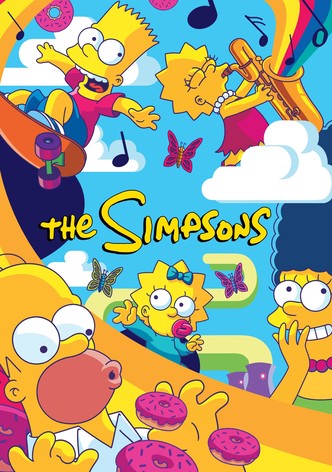
The Simpsons (1989) has been a fixture of the TV landscape for nearly forty years, with hundreds of episodes and a history of poking fun at the evolution of modern culture and societal change. While there are plenty of timeless episodes that carry strong emotional cores or explore satirically powerful themes, some of the funniest are the show's wacky parodies. Take Season 5's "Cape Feare," an overt parody of the Scorsese film that's a perfect half-hour of comedy to watch before you dive into the new Cape Fear show debuting on Apple TV+ on June 5th, 2026.
How The Simpsons Remade ‘Cape Fear’

The plot of "Cape Feare" is a thematically accurate parody of Cape Fear, albeit tweaked to fit the established continuity of The Simpsons. The original novel, as well as the two film adaptations, follow Bowden and his family as they deal with being terrorized by Cady, who has just been released from prison after being convicted of sexual assault on the strength of Bowden's witness testimony. The Simpsons obviously doesn't go that dark, but uses the basic structure by having Kelsey Grammer's Sideshow Bob be released from prison and set out to kill Bart for his role in exposing his crimes in his previous appearances. This forces the family into witness protection, only for Bob to follow them.
The Cheers (1982) and Frasier (1993) star takes the character to a ridiculously evil place in this episode as a parody of De Niro's unsettling version of Max Cade, with the slapstick nature of the animated series kicking into gear to poke fun at the malice of the villains. Whereas Bob had been a more grounded character previously, "Cape Feare" lets him go big in a way that the character has never scaled back from ever since. Bob's efforts are pulled almost shot-for-shot from the Scorsese movie, but he's embarrassed while trying to intimidate the family at the movie theater and gets multiple hits to the head while riding on the undercarriage of their car. Despite the goofiness of the episode—Sideshow Bob stepping on multiple rakes is great—the episode also has a surprisingly terrific ending that recreates large swaths of H.M.S. Pinafore (1970), and still nails the most important thing about Cape Fear as a story.
‘Cape Fear’ Briefly Turns The Simpsons Into A Horror Story

The Simpsons has always worked largely because the animated nature of the show allows it to approach different styles and genres while maintaining a silly core. This is especially true with horror—the annual "Treehouse of Horror" Halloween anthology has managed to be deeply frightening and very hilarious. "Cape Feare" has moments like that, too, like Bob's recreation of Cade's attack on the boat house, with some genuinely creepy shots that puts emphasis on just how creepy Bob can be. It's probably why Season 35's "Treehouse of Horror XXXVI" revisited the story and played it out in a more gruesome fashion.
It's reflective of the inherently terrifying nature of Cape Fear as a story. While the Apple TV+ version is expanding it in some key ways and seems to have tweaked the narrative in some important ways—the trailer suggests that Cady was actually a client of the Bowdens—the underlying terror of a brilliant and brutal killer targeting your family remains a key part of the story. In every version of the story, the killer is made oddly charming and disarmingly effective, playing the rules of their situation to their advantage.
Whether that be the court system that Cady used to his advantage in Scrocese's film, Sideshow Bob's absurd escalations, or the society that Javier Bardem invades, there's something deeply frightening about a crafty killer coming after you. No home, defense, or authority can help you—even being in the cartoon world of Springfield only plays into that terror. While The Simpsons finds plenty of room to poke fun at the specific elements of Scorsese's Oscar nominated verison, it also manages to maintain that tension. It's what makes the episode a perfect contrast to the pure tension of the other versions.











Bundle 4k
Bundle 4k
Bundle 4k

Bundle 4k