How to Watch Every Wes Anderson Movie In Order — A Streaming Guide

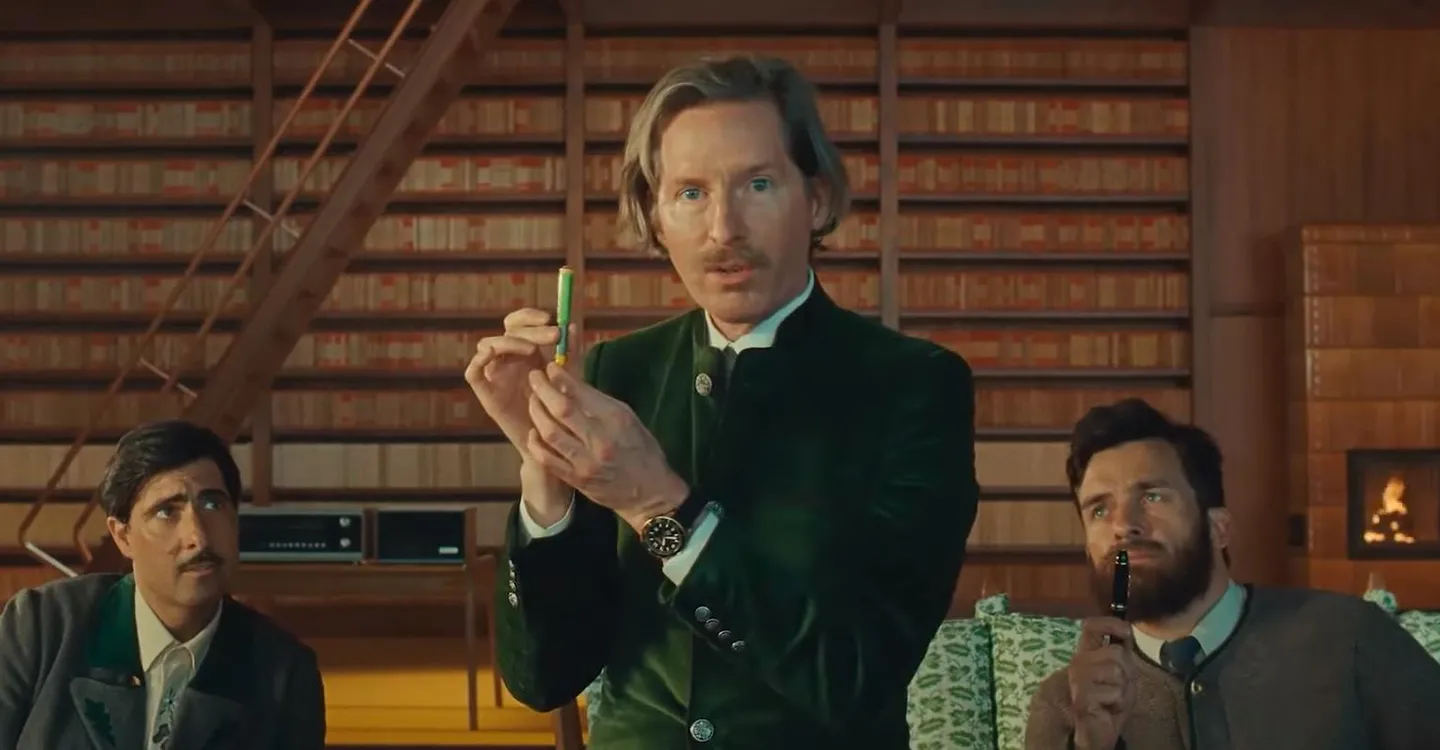
Wes Anderson is one of the most beloved indie movie directors in modern film history. His signature aesthetic is marked by ample use of saturated color palettes and meticulously planned symmetrical shots — not to mention the deadpan delivery of existential anguish from his favorite acting collaborators. It's common for his movies to focus on dysfunctional family dynamics.
And as his career progressed, Anderson has incorporated more fantasy elements into his films, which can be found on platforms like Netflix, HBO Max, and Hulu. His unique directorial approach additionally includes the use of detailed production design, humor, and a carefully curated soundtrack, which together create a cinematic experience that is refreshingly original.
This list has been updated by Charlene Badasie.

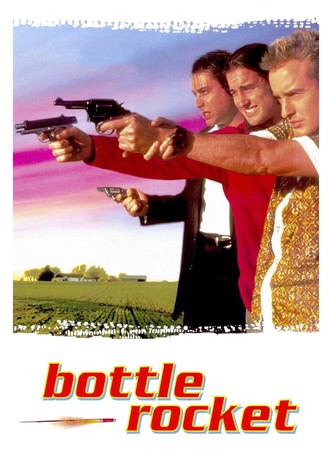

Bottle Rocket follows Dignan (Owen Wilson), who dreams of becoming a master criminal, even though his plans rarely make sense and his execution is hopelessly amateur. Alongside his best friend Anthony (Luke Wilson), he sets out on a series of small-time heists. Their misadventures grow increasingly chaotic, especially when romance and wounded pride complicate their already fragile partnership.
Bottle Rocket is fascinating because it captures Anderson at his most raw and unfiltered, before his visual style became fully crystallized. While it doesn't yet have the ornate production design of his later work, you can already see the seeds of everything that would eventually define his career. This film, where the magic lies in its simplicity, is ideal for fans of indie cinema who appreciate understated comedy.






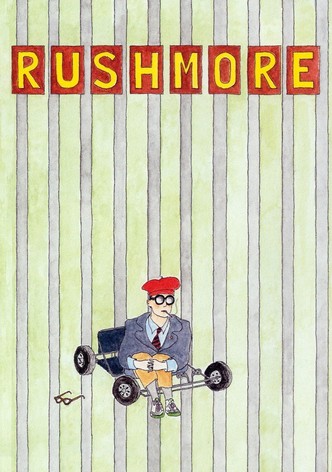
Rushmore follows Max Fischer (Jason Schwartzman), an ambitious and eccentric teenager who excels at extracurricular activities but struggles academically at his elite private school. He forms an unlikely friendship with the wealthy and disillusioned industrialist Herman Blume (Bill Murray). But their bond becomes strained when both men fall in love with the same teacher, Miss Cross (Olivia Williams).
Rushmore is often seen as the moment Anderson fully finds his voice. The film balances heightened comedy with surprisingly sharp emotional honesty, especially in its depiction of youthful arrogance and adult disillusionment. This movie is perfect for audiences who love coming-of-age stories that aren't sentimental or overly sweet.


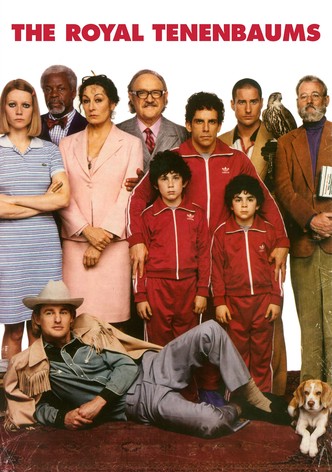
The Royal Tenenbaums follows the titular Tenenbaum siblings, Chas (Ben Stiller), Margot (Gwyneth Paltrow), and Richie (Luke Wilson). Once celebrated as child prodigies, the trio failed to get their lives together as adults. When their estranged father, Royal (Gene Hackman), suddenly reenters their lives, the family is forced to confront unresolved trauma and lingering resentment.
This is the film where Anderson's obsession with dysfunctional families becomes fully realized. The production design, narration, and storybook structure elevate the story into something that feels mythic and painfully personal at the same time. The Royal Tenenbaums is ideal for viewers who enjoy stories about broken families trying, imperfectly, to heal.


The Life Aquatic with Steve Zissou finds the titular Steve (Bill Murray) working as a washed-up oceanographer, while plotting revenge against the strange creature that killed his partner. He reluctantly teams up with Ned Plimpton (Owen Wilson), who may or may not be his biological son. Their expedition becomes more complicated as funding issues, piracy, and emotional baggage derail their mission.
This film sees Anderson leaning heavily into whimsy and fantasy while still focusing his story on human emotions. Steve is one of Anderson's most complicated protagonists - selfish, insecure, and desperate to be admired. The Life Aquatic with Steve Zissou is perfect for those who appreciate melancholy hidden beneath eccentric humor.

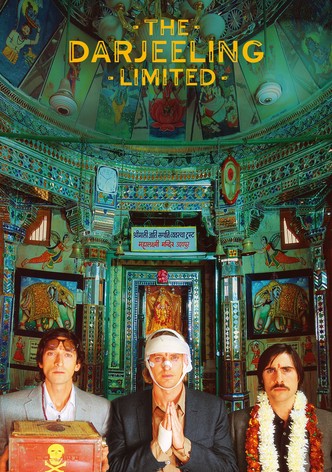
The Darjeeling Limited follows three estranged brothers, Francis (Owen Wilson), Peter (Adrien Brody), and Jack (Jason Schwartzman), as they try to reconnect after their father's death. But their carefully planned spiritual journey to India quickly unravels as old rivalries and buried resentments rise to the surface. The trip slowly becomes more about facing their unresolved grief and less about the brothers finding enlightenment.
This film is quieter and more introspective than many of Anderson's works. Its humor is subtler, often rooted in uncomfortable silences and miscommunication. The setting and sentiment are beautiful, but the story never romanticizes spiritual awakening. Instead, it shows how messy healing actually is. The Darjeeling Limited is perfect for viewers who appreciate stories that don't offer neat resolutions.

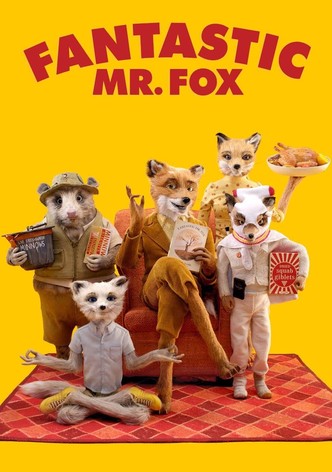
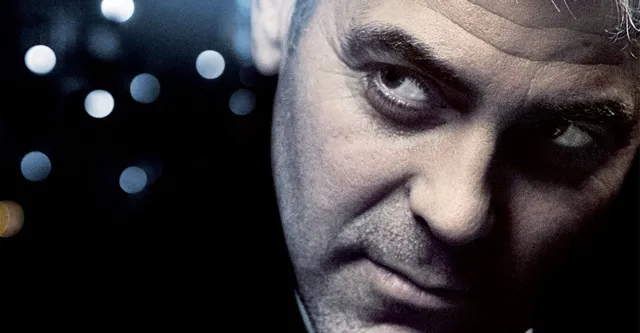
Fantastic Mr. Fox tells the story of Mr. Fox (George Clooney), a former thief who can't resist returning to his old ways. His actions eventually put his family and entire animal community in danger from three ruthless farmers. As his plans spiral out of control, Mr. Fox must confront the cost of his pride in a fun mix of adventure with a surprisingly adult emotional arc.
This film shows Anderson's ability to translate his style into animation without losing emotion. The stop-motion animation gives the film a tactile warmth that complements its responsibility theme. Although it's a children's film, it never talks down to its audience, making it perfect for kids and for adults who enjoy stories about self-acceptance and growth disguised as playful adventure.


Moonrise Kingdom follows Sam Shakusky (Jared Gilman), a misunderstood orphan and scout who feels out of place in his tightly structured world. Suzy Bishop (Kara Hayward) is an intense young girl who longs for escape from her restrictive family life. The two form a secret bond and run away together, triggering a frantic search led by Captain Sharp (Bruce Willis) and Scout Master Ward (Edward Norton).
Its depiction of young love and its affection for childhood imagination make Moonrise Kingdom one of Anderson's most openly romantic films. It captures the intensity of emotions that only exist at an age when feelings are absolute, and every decision feels life-altering. This film is perfect for audiences who love nostalgic storytelling and heartfelt young romance.



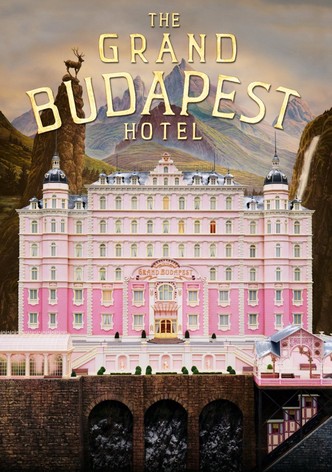
The Grand Budapest Hotel follows Gustave H. (Ralph Fiennes), the meticulous concierge of a luxurious European hotel during the interwar period. When a wealthy patron dies and leaves him a priceless painting, Gustave becomes the prime suspect in her murder. Alongside his loyal lobby boy Zero Moustafa (Tony Revolori), he sets off on a madcap mission to clear his name.
Thanks to its bold color design, The Grand Budapest Hotel is arguably one of Anderson's most visually dazzling films. Fiennes also delivers an epic performance, filled with equal parts vulgarity and vulnerability. But just beneath the surface lies a poignant study about the loss of elegance and civility. It is ideal for viewers who love fast-paced storytelling and ornate visual design.
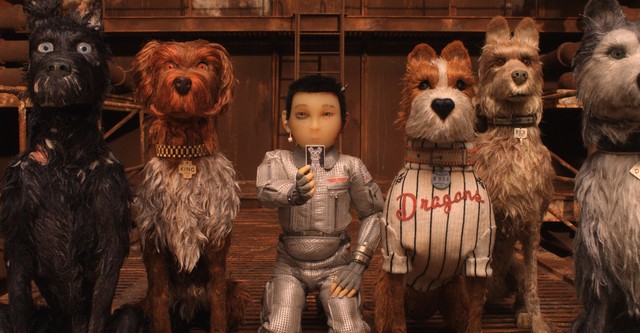

Isle of Dogs is set in a dystopian future Japan. The story begins when all dogs are exiled to a trash island due to a major health crisis. A defiant young boy named Atari (Koyu Rankin) travels there to find his furry pal, Spots (Liev Schreiber). With the help of a pack of strays led by Chief (Bryan Cranston), he navigates the dangers of the island in a story of loyalty, rebellion, and compassion.
Isle of Dogs expands Anderson's animated style into darker, more political territory. The meticulous stop-motion work is extraordinary, giving each dog a distinct personality and physical presence. The film explores themes of authoritarianism and propaganda while still delivering a heartfelt message. It's a must for viewers who appreciate political allegory mixed with adventure.








The French Dispatch follows the creation of the final issue of an American magazine published in a fictional French city. The story is told in segments by journalists Arthur Howitzer Jr. (Bill Murray), J.K.L. Berensen (Tilda Swinton), and Roebuck Wright (Jeffrey Wright), with each person discussing topics like art, love, revolution, and obsession. Together, they form a mosaic of storytelling voices and styles.
This movie is Anderson at his most experimental, embracing fragmentation and literary structure, and plays out like a love letter to creative expression. Every vignette is visually inventive while also being intentionally dense. The French Dispatch is for audiences who love anthology storytelling and artistic experimentation.