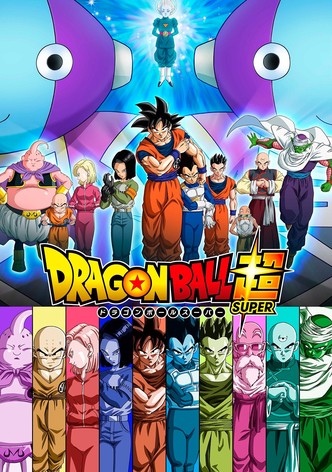
Why 'Dragon Ball Super' Isn't As Bad As You Remember

During the 40th anniversary celebration of the Dragon Ball series, it was announced that Dragon Ball Super (2015) would be continuing. While there is a palpable sense of excitement for this new entry in the long-running series, mostly due to the arc this upcoming sequel will adapt, people are also excited about more Dragon Ball. The recent Dragon Ball DAIMA (2024) was well received, and several of the films leading up to it were also held in high regard.
Yet, there wasn’t as much wistful nostalgia for Dragon Ball Super itself. This shouldn’t be all that surprising, given how Super received a lot of flak from anime fans upon release. To this day, it’s probably just as polarizing as Dragon Ball GT (1996). But while excitement builds for Super’s sequel and you’re debating rewatching Dragon Ball Super on Crunchyroll, let’s look back on the series nearly a decade after its conclusion and give it a fair analysis to see if it deserved all the hate it got.
Why Did People Hate ‘Dragon Ball Super’?
Dragon Ball Super didn’t exactly get off to the best of starts. The earliest episodes adapted two feature films, Dragon Ball Z: Battle of Gods (2013) and Dragon Ball Z: Resurrection F (2015), yet their television counterparts paled in comparison to their big-screen outings.
The animation of those early episodes was rough, to say the least. Characters were off model, the fights looked sloppy, and the fight choreography was dull. Dragon Ball fights are meant to be fast and frenetic, with ki blasts mixed with martial arts, both of which were lacking in Super. What made things worse was how fans were actively comparing how Super adapted those scenes unfavorably to their feature film counterparts. A part of this problem stems from Toei Animation’s commitment to weekly episodes with no breaks, which noticeably made some episodes feel rushed.
Underperforming fight scenes are one thing, but simplifying its cast is arguably a greater sin that Super commits. Dragon Ball has one of the most extensive and likable casts of heroes and villains, and we see the characters who appear here become flanderized caricatures of themselves. Gohan is probably the most notable victim, but even the new characters can’t escape this homogenization, lest we forget about the series’ final villain, Jiren, an ultra-powerful alien devoid of any meaningful personality.
More diehard Dragon Ball fans also criticized how the series gave out power-ups like they were candy, which undermined their importance. Ultra Instinct is cool, but when the series already introduced Super Saiyan God, Super Saiyan God Blue, and canonized Legendary Super Saiyans, did we really need four separate major power-ups in 131 episodes?
‘Dragon Ball Super’ Isn’t All Bad
While those early arcs are rough, once Dragon Ball Super focuses on story arcs beyond the films, there’s a notable jump in overall quality. Most fans consider its fourth major arc, the Future Trunks Saga, to be the best arc in the series, mostly because of how fresh it feels. It adds two new interesting villains, Goku Black and Zamas, and breaks from the series formula by having not Goku or Vegeta, but Trunks, save the day.
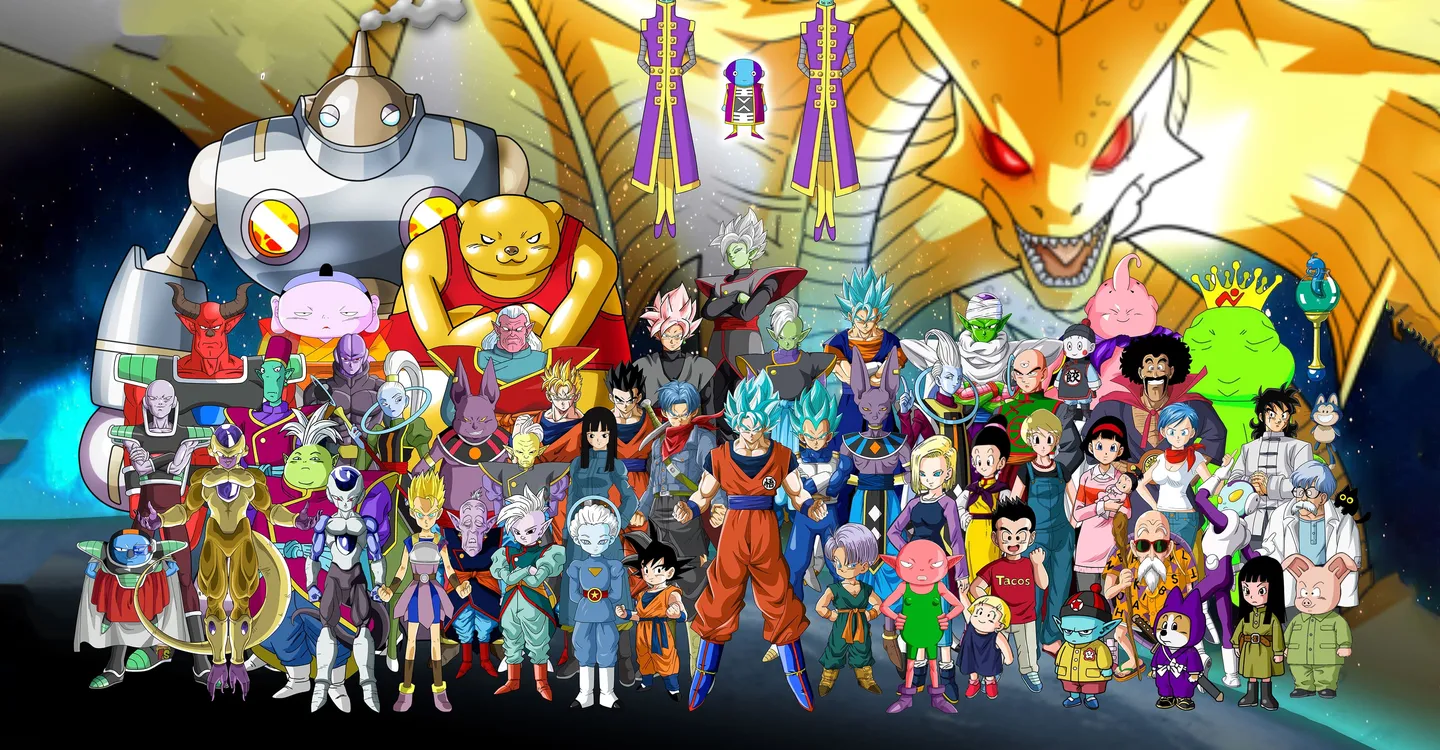
In fact, a lot of lesser characters get a good amount of love and attention thrown their way during the series. Future Trunks obviously gets a lot of love, but so does Android 17 in the show’s final arc, and Master Roshi. Even the Pilaf Gang, who were minor antagonists in Dragon Ball (1986), return and become more prominent comic relief characters. And while some new characters are dull, opening up the world with the introduction of gods like Beerus and angels like Whis presents the concept of parallel universes with fighters just as strong as the ones we’ve known for decades.
And when those fighters come together in the Universe Survival Arc, Toei locks in and delivers some outstanding fight scenes that even exceed the films. Yes, Jiren has as much personality as a stack of saltines, but watching the slugfest between him, Goku, Frieza, and Android 17 quite literally broke the internet when it debuted. Fans went wild for that fight in the same way they freaked out over Luffy Gear Five in One Piece (1999) or during the Rumbling in Attack on Titan (2013). The animation issues were finally put to rest, and the series ended on a high note.
So Should You Watch ‘Dragon Ball Super’?
Dragon Ball Super is at its worst during those opening arcs. There’s no getting around the poor animation quality or the simplified characters. Thankfully, fans don’t have to watch those first two arcs, as they can simply watch the films they’re based on.
If you go that route and decide to watch Dragon Ball Super from its third arc onward, then you’ll be treated to a solid and exciting action series. It’s definitely a bit long in the tooth, especially in the Universe Survival Arc, but when the trade-off is watching the show’s supporting cast get the justice they deserve, it’s justifiable.
At points, it even reaches the same level of spectacle and scale that made Dragon Ball Z (1996) such a mainstay in the anime industry and stands on par with modern productions like Jujutsu Kaisen (2020). Back in its day, Dragon Ball Super may have had reasons to be hated, but with careful planning and consideration, you can easily enjoy a solid continuation of one of the most iconic anime series of all time.