6 Obscure Documentaries That Could Quietly Change The World

Documentaries about our planet have always been impossible to ignore once you've truly listened because they recalibrate the way we see the soil beneath our feet, the air in our lungs, and the systems that are quietly changing our lives. In an era defined by climate anxiety, ecological grief, and the overwhelming churn of information, proper knowledge becomes a tool for survival.
The documentaries on this list, which can be found on Netflix, Prime Video, and our very own JustWatch TV, uncover hidden environmental solutions, while others expose the invisible machinery of consumption driving planetary harm. Together, they suggest that real change rarely begins with grand gestures, and remind us that informed hope remains one of the most radical forces we possess to change the world.


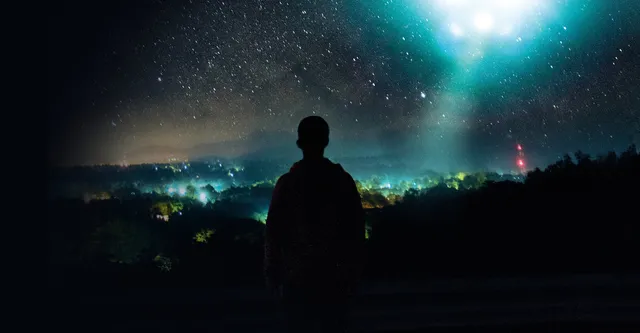
An Inconvenient Truth follows former U.S. Vice President Al Gore's effort to educate the public about climate change through science and storytelling. As he moves from city to city delivering the same carefully built slideshow about melting ice sheets and rising temperatures, the danger stops feeling distant or theoretical and begins to feel uncomfortably close to home.
Gore repeats this presentation across the world, more than 1000 times, carrying the same warning to different rooms of strangers. Watching it now feels sobering because its straightforward educational tone carries the hope that knowledge can still mobilize collective action. It's ideal for viewers interested in foundational environmental films like The 11th Hour (2007).






The Light Bulb Conspiracy is an investigative documentary that reveals the hidden history of planned obsolescence (which is the deliberate design of products to fail sooner than necessary). Through archival footage, industry insight, and global case studies, it traces how modern consumer culture became dependent on the constant need to replace things.
The environmental cost shows up in growing piles of waste and shrinking natural resources. But some people don't seem to mind because the world's economy is built around throwing things away. The documentary lays out these facts in a straightforward way so the evidence can speak for itself, which allows viewers to realize just how normal waste has become in our everyday lives. It's a must for fans of investigative documentaries like The True Cost (2015).



Released just over 10 years after the first installment, An Inconvenient Sequel: Truth to Power revisits the climate-saving movement led by former U.S. Vice President Al Gore, who continues to champion the global climate crisis. The film documents political negotiations, activism at the grassroots level, and changing scientific realities, along with persistent resistance from some parts of humanity.
Quieter and more contemplative than its predecessor, the film highlights progress made in renewable energy and Gore's efforts to influence international climate policy. His patience feels honest, acknowledging that change is never sudden or simple. It's a great choice for audiences invested in long-term environmental storytelling like Years of Living Dangerously (2014).







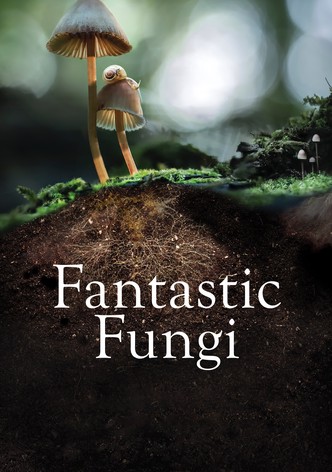

Described as a "consciousness-shifting," Fantastic Fungi is a visually immersive documentary that takes viewers on a trip into the hidden world of fungi living beneath our forests and fields. Scientists and storytellers explain how mycelium sustains ecosystems, works to support healing, and how they form vast underground connections between living things.
Fantastic Fungi feels less like a learning experience and more like revisiting part of our past we forgot a long time ago. The visuals alone are awe-inspiring, allowing emotion to open the door to understanding in a way traditional science storytelling rarely achieves. Most importantly, it reminds us that protecting the planet may begin with rediscovering our connection to it. It's ideal for contemplative nature lovers.





Framed as a "witness statement" by the titular biologist David Attenborough: A Life on Our Planet chronicles the destruction of our planet's biodiversity in a single lifetime. Attenborough uses the film to document environmental decline in stark, human terms that are also backed by science. From that grief, the story gradually offers solutions for restoration and the fragile promise of renewal.
Attenborough shapes the film's voice in a way that makes it feel as though time pauses to listen. His memory becomes testimony, and as the documentary progresses, sadness takes on a tone of responsibility shared across generations as an inheritance we are still capable of protecting. Its restoration message also invites people to view environmental care as the most important work of our lifetimes.





Narrated by Woody Harrelson, Kiss the Ground explores how people can regenerate depleted soil to stabilize the climate, restore fragile ecosystems, and help secure global food systems. The documentary also explains how scientists, farmers, and environmental advocates can use certain agricultural practices to draw carbon back into the earth in measurable ways.
The film reframes ordinary soil as one of the planet's most vital and living resources. The best part about Kiss the Ground is its steady, reassuring optimism. Instead of overwhelming viewers with catastrophe, it gently redirects attention toward solutions already taking root across the world, offering solutions instead of despair. It's perfect for fans of Before the Flood (2016).