'The Drama' And 7 Dark Romance Movies With Controversial Edges

There are plenty of movies about happy romances, but some of the most emotionally compelling are the complicated ones, like The Drama (2026). These types of films are willing to stare down the darker sides of relationships and tackle them with a harshness that the typical rom-com would never dare to approach. Be forewarned, none of the movies on this list are necessarily happy. Instead, they are surprisingly bittersweet, cruelly seductive, and emotionally harrowing.
While some of them have good laughs or scares, all of these films are about the complexities of a long-term romantic relationship that can bring out the worst in us just as easily as the best. While these aren’t necessarily films about relationships that have fully crumbled like in Marriage Story (2019) or Kramer vs. Kramer (1979), they’re not about fairy tale love stories either. Here are eight of our favorite controversial romance stories in cinema. Watch them on streamers like Plex, Hoopla, and more.


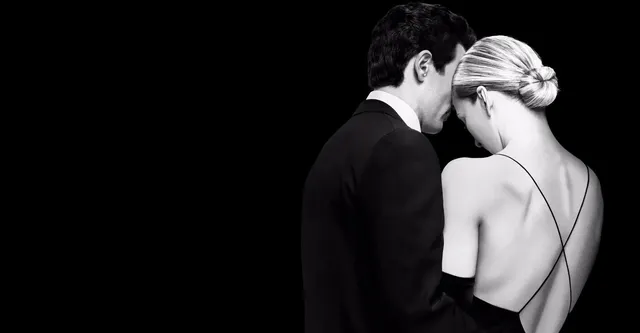
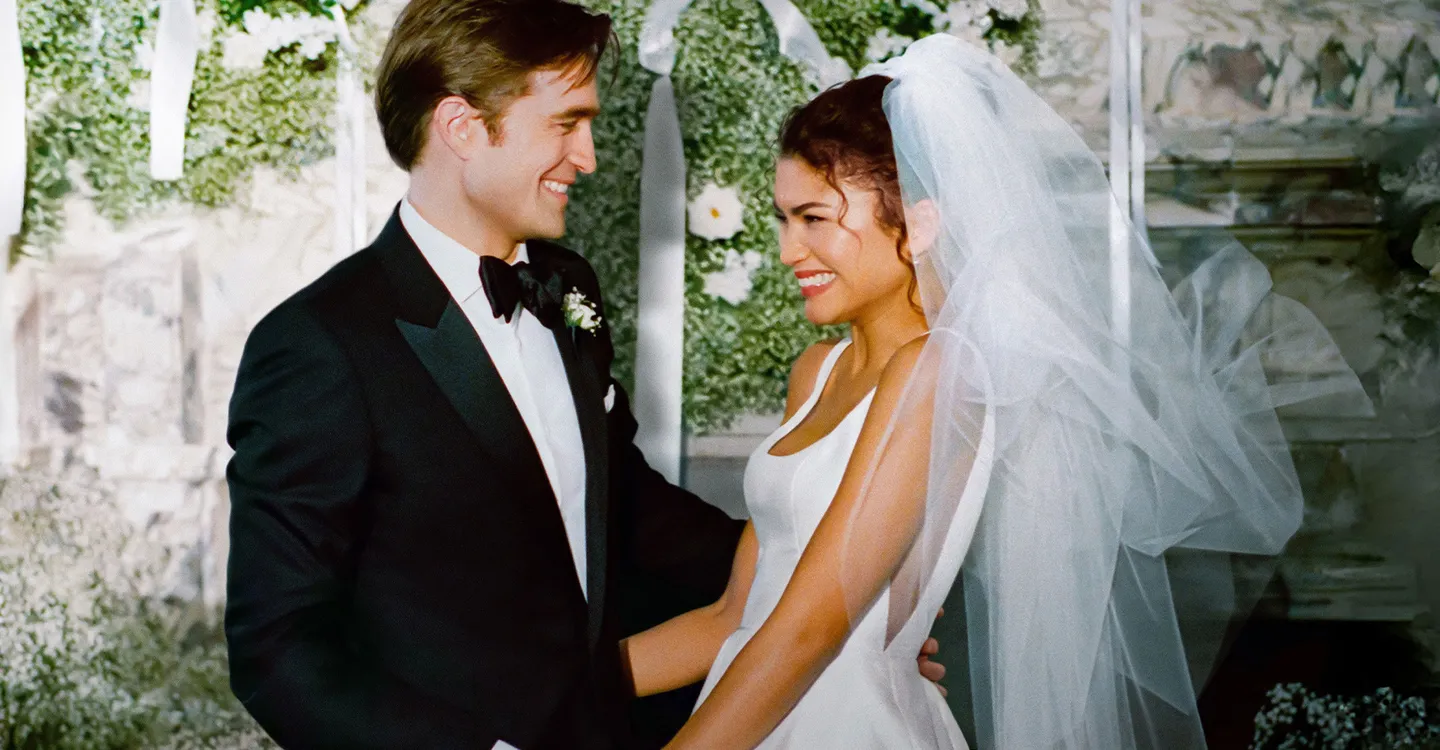
One of the more thought-provoking takes on the romantic dramedy genre, The Drama is a darkly comedic and startlingly vulnerable showcase for Robert Pattinson and Zendaya. The pair play Charlie and Emma, a couple on the eve of their wedding who discover some shocking secrets about one another. Through some clever directing, editing, and visual composition, Kristoffer Borgli delivers a great approximation of someone’s emotional shock at finding out the person they trusted the most in the world has a much darker side to them.
The film keeps up the momentum with some well-placed bursts of absurdly awkward humor, similar to Friendship (2025), to lighten the mood in a darkly hilarious way. Sure to set off some conversations on the way home, The Drama is an emotionally raw and well-staged showcase for two of Hollywood’s best modern actors.













A classic of the comedy genre that turned Dustin Hoffman into a household name, The Graduate is a bittersweet and cynically self-aware look at a whirlwind romance. The film focuses on the affair between an aimless college graduate and an older, married woman, with the extra complication of Hoffman’s Benjamin falling in love with her daughter.
The film takes a dry look at the collapse of the traditional American marriage from the perspective of an almost passive participant in his own life, compared to the self-sabotaging but happy release of impulsive, fresh love. It all ends with hope undercut by a sense of dread. Hailing from the same era as other painfully grounded dramas like Midnight Cowboy (1969), Harold and Maude (1971), and The Last Picture Show (1971), The Graduate might be the most emotionally effective of the lot.










Ryan Gosling and Michelle Williams are heartbreakingly raw in Blue Valentine in a way most dark romance movies don’t try to match. What separates this movie about a failing marriage from other notable divorce-centric films is the almost quiet reverence it pays toward the idea of romance. By shifting from the early days of Dean and Cindy’s relationship and juxtaposing it against the painful collapse of the relationship, it gives the plot great weight.
Gosling and Williams balance both ends of the relationship with a wonderful sense of grace, especially when their characters have to shift into more dour versions of themselves. One of the more openly somber films on this list, Blue Valentine is a grim reflection on how a relationship can start strong but curdle over time.









A very randy adaptation of the classic gothic romance, “Wuthering Heights” indulges in the period setting to tell a story about desire divided by circumstance. Margot Robbie and Jacob Elordi simmer when together on screen but just as quickly turn on one another, giving their romance a fierce edge. Similar to other charged period-piece romance stories like Atonement (2007), “Wuthering Heights” has a great visual panache that matches the dramatically composed approach to filmmaking.
Like other recent erotic offerings like Babygirl (2024), the sex is front and center in this dark and tragic love story, with the committed lead performances really selling the desperate longing and vicious regret that comes with it. If this one isn’t right for you, there are plenty of other (more faithful) adaptations of Emily Brontë’s novel to check out.


Cruel Intentions is a wild ride of a movie, with a lot of twists and turns that complicate the surprisingly sweet central romance. Playing out like a particularly vicious version of 10 Things I Hate About You (1999), Cruel Intentions follows the manipulative Sebastian as he tries to win a bet by earning the affections of a young woman.
The romance comes from the redemptive qualities that Reese Witherspoon’s Annette is able to bring to the story, giving the film a genuine heart that makes it all the more effective when Sarah Michelle Gellar’s memorably merciless high school queen bee rips it out. Not for audiences who prefer a grounded and straightforward love story, the twisty nature of Cruel Intentions was so good that it spawned an entire franchise.








While “Wuthering Heights” might go big with the seductive swings, the melding of horror imagery and yearning gothic romance gives Guillermo del Toro’s Crimson Peak a real edge. Far from the only time del Toro would meld his romanticism with his love of the grotesque—an approach to storytelling that won him an Oscar with The Shape of Water (2017)—there’s an acute softness to the romance that brews between Edith and Thomas.
Mia Wasikowska and Tom Hiddleston are great in their takes on archetypal roles, creating a real sense of longing between the two. Coupled with del Toro’s typical visual panache and a delightfully dark turn from Jessica Chastain as Thomas’ sister, Crimson Peak is a terrific and fantastical horror film that only works because of how effective the central romance is.




One of Alfred Hitchcock’s great early thrillers, Rebecca, is an unsettling, slow-burn romance that’s remained just as effective over 80 years since it debuted on the big screen. Joan Fontaine shines as Mrs. de Winter, the new wife of a brooding widower who can’t escape the shadow of the titular woman who came before her. A relentlessly ominous and tragically romantic film that has some great visual flair thanks to a great use of shadow, the central love story in Rebecca is one that touches on grief and love in Hitchcock’s classically suspenseful way.
While Hitchcock would also deliver some sweeter love stories with films like Rear Window (1954) and psychologically darker ones in movies like Vertigo (1958), Rebecca is one of the most compelling and quietly rewarding explorations the filmmaker ever took into what makes romance tick.




Stanley Kubrick’s last film, Eyes Wide Shut, is an emotionally harrowing one for the ages. Starring then-married couple Tom Cruise and Nicole Kidman as a well-off married couple who have entered a rough patch, an admission from Alice sends Bill on an odyssey into the sexually mysterious world of the night.
Evocative in its visual styling and subtly creepy in the same way Kubrick turned a hotel into the ultimate haunted house in The Shining (1980), Eyes Wide Shut is a well-constructed medley of strange imagery intermixed with wanton desire. Throughout it all is a surprisingly enduring love story that comes to one of the most uplifting endings on this list. Dark at times but with a romantic heart, Eyes Wide Shut is one of the best dark love stories in cinematic history.