
10 Great Movies To Watch If You Liked 'The Substance'

Demi Moore’s comeback film, The Substance, generated buzz among audiences in 2024. Mixing body horror with feminism, the movie tackles the impact of the value society places on women’s youth through grotesque body transformations. It is sure to thrill and disgust the most ardent fans of body horror.
Viewers eager for more movies like The Substance can use our guide to find 10 similar films, including body horror, psychological horror, beauty standards, and feminist films, available on platforms like HBO Max, Netflix, and more.


In Eyes Without a Face, Doctor Génessier (Pierre Brasseur) becomes obsessed with performing a successful face transplant on his daughter, Christiane (Édith Scob), who was left disfigured in an automobile accident. It’s a dark and sobering movie that went on to have a profound influence on the horror genre and body horror subgenre. From the Doctor’s obsession to the harrowing skin graft scenes to the pain in Christiane's eyes through her featureless mask, Eyes Without a Face evokes horror even without the sophistication of today’s visual effects.
The film is an excellent alternative to those seeking something less grotesque and outlandish than The Substance. However, it still includes some light body horror and thought-provoking themes about the impact of female beauty standards created by the patriarchy. Eyes Without a Face is an excellent choice for fans of nightmarish movies like Repulsion (1965) and The Skin I Live In (2011).
















The Thing is a classic must-see for fans of body horror. The film follows a group of researchers who come across an extraterrestrial humanoid life form that absorbs and imitates other beings. Since its 1982 release, it has gained a cult classic status for its terrifying body horror, nihilistic premise, and commentary on paranoia and fear.
While the abilities of this terrifying extraterrestrial allow for much alien gore and body horror, the true horror comes from the psychological impact of the fear of the unknown and unknowable. The Thing parallels The Substance with its body horror and the idea of someone not being who they appear to be. However, the extraterrestrial element and the paranoia it induces more closely resemble those of other iconic sci-fi horror works, such as Alien (1979) and Invasion of the Body Snatchers (1956).



Society is a body horror comedy that follows a teenage boy, Bill Whitney (Billy Warlock), who becomes suspicious that his wealthy family is involved in some gruesome rituals. It’s a bold, absurd horror movie that utilizes satire to probe wealth inequality and the secrets held by the wealthy elite.
Like The Substance, it tackles essential subject matter and drives its point by evoking shock and disgust in viewers. Instead of deconstructing beauty standards and ageism, it offers thoughtful commentary on classism and elitism. If you like Eyes Without a Face and The Thing but are seeking something even more brazenly strange and bold, you’ll enjoy Society.





Death Becomes Her follows two women, Madeline (Meryl Streep) and Helen (Goldie Hawn), whose feud over the same lover leads them on a dangerous quest for eternal youth and immortality. While the film features light body horror, it also boasts a darkly comedic tone. The morbid humor that arises as the women learn that being immortal doesn’t make their bodies invincible or self-healing puts a satirical, witty spin on the perils of vanity.
Death Becomes Her strongly parallels The Substance with its story of two women forced to go to great lengths due to society’s refusal to accept their aging. It’s a quirky, campy body horror movie with a biting commentary on society’s attitude toward women. The film combines the campiness of The Thing and the satire of Society with the thought-provoking, more female-centric themes of The Substance.



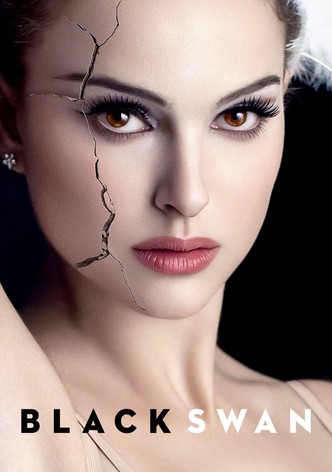
In the psychological horror film Black Swan, professional ballerina Nina Sayers (Natalie Portman) finds herself cracking under the pressure of her profession and beginning to question reality. It’s an even darker tale than The Substance, without some of the campiness and morbid humor to soften the psychological thrills. Nonetheless, Black Swan’s themes go hand-in-hand with The Substance in that they’re mind-bending horror films that poignantly explore the steep price women pay for perfection.
Black Swan goes in-depth about how professions, like ballet, can exacerbate the anxiety and stress women already experience when it comes to unreasonable beauty standards. It also parallels Death Becomes Her with its tale of a protagonist who digs themselves into a hole in their pursuit of success and struggles with self-destructive patterns. If you love ballet-centered horror with thought-provoking themes, like Suspiria (1977), you’ll love Black Swan.


Raw is a coming-of-age body horror movie about a vegetarian, Justine (Garance Marillier), who develops an insatiable craving for human flesh after eating meat for the first time. It’s a unique cannibalistic body horror film that will delight those seeking the shock factor. The extreme nature of the movie and its gory and violent depictions evoke New French Extremity vibes.
Like The Substance, though, Raw is rich in symbolism and tackles numerous feminine themes, including the loss of innocence and female shame. Just as The Substance utilizes body horror to drive home its themes, Raw uses cannibalism as a metaphor for sexual awakening. Raw is like a cross between Bones and All (2022) and The Substance, mixing cannibalism and feminist themes and commanding viewers’ attention through shock and horror.


Swallow follows Hunter Conrad (Haley Bennett), a woman who develops an insatiable urge to eat non-edible objects to cope with her isolated and oppressed domestic life. This unconventional feminine horror movie uses body horror and pica to convey the impact of sexism, gender roles, and women’s desire for bodily autonomy and self-control. Like Raw, it evokes New French Extremity vibes but is not quite as gory, making it a good choice for viewers seeking the depth of The Substance but less body horror and grotesque imagery.
Swallow relies more on psychological horror than body horror, telling an intimate, disturbing tale that still captures inner turmoil without extreme visuals. In this manner, it subverts some horror tropes and offers something inventive to the genre. Viewers who loved Raw and Titane (2021) will especially enjoy Swallow’s themes and French Extremity parallels.










Cuckoo follows Gretchen (Hunter Schafer), a young woman who finds herself embroiled in a mystery as a hooded woman stalks her, and she experiences disturbing visions and sounds. The film can be confusing and ambiguous in its message compared to The Substance. It’s a little more reminiscent of Society through its complexity and utilization of parasitism to drive its interpretation.
However, for those undaunted by its complexity and occasional foray into sci-fi territory, it’s a satisfying body horror film that uses its unique imagery and premise as an allegory for bodily autonomy. Cuckoo is an excellent choice for fans of more eccentric horror movies, like Society, that still offer similar themes to The Substance.




Uglies tells the story of Tally Youngblood (Joey King), who lives in a dystopian society where everyone is required to undergo an operation at the age of 16 to become “perfect.” While Uglies isn’t a horror movie, it’s similar to The Substance in that it brings the harm of beauty standards to the forefront. The extreme society it envisions paints a harrowing picture of how beauty standards are often utilized as a form of societal control and to encourage conformity.
However, since a YA novel inspires it, Uglies doesn’t delve into dark territory or body horror, making it an excellent choice for viewers seeking the sharp themes of The Substance but in a more family-friendly format. Viewers who enjoy other dystopian YA-based properties, like The Hunger Games (2012) and The Maze Runner (2014), will also like Uglies.


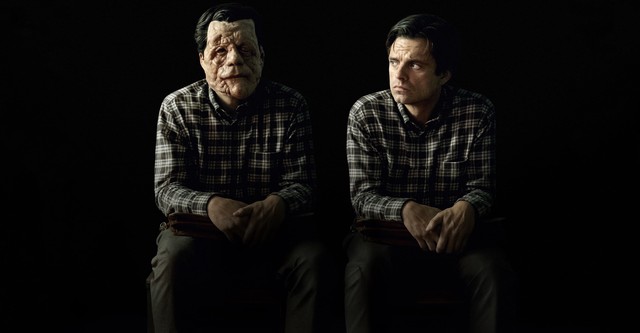

A Different Man follows Edward Lemuel (Sebastian Stan), who begins to question his decision to undergo treatment for his neurofibromatosis after meeting Oswald (Adam Pearson), who has the same condition but embraces it, earning the popularity and success Edward craves. It’s less of a horror film and more of a psychological thriller, riddled with morbid humor, eccentricity, and unpredictable twists and turns.
Through bold, surreal storytelling, A Different Man poignantly delves into thought-provoking themes of identity and acceptance. Its lack of body horror makes it an excellent alternative for viewers seeking similar subject matter to The Substance but without some of the extreme imagery.