‘The Pitt’ Has Changed Medical Dramas In One Very Unsexy Way

Since its debut, The Pitt (2025) has become one of the most celebrated and acclaimed shows in recent memory, currently sitting at #2 on the streaming charts. While it’s certainly not the first medical drama to exist, and not the first one to feature some pretty dark moments, its focus on tight storytelling, all set within a short period of time, helps it stand apart from the crowd.
That may be obvious to anyone who watches the series on HBO Max, but another way that The Pitt differs from virtually all other medical shows is how it cuts every melodramatic trope that lovers of hospital dramas devour. Gone is the discreet flirting, the shocking character deaths, and the sexy drama, and in their place are grounded stories of real people and the lives they lead. And that alone may make The Pitt one of the most influential medical dramas of its generation.
‘The Pitt’ Trades In Melodrama for Actual Drama
There’s no denying that tropes exist for a reason. They’re reliable, easy to understand, and audiences will always be entertained when they pop up, and medical dramas in particular love to include a slew of tropes to make each season as dramatic as possible.
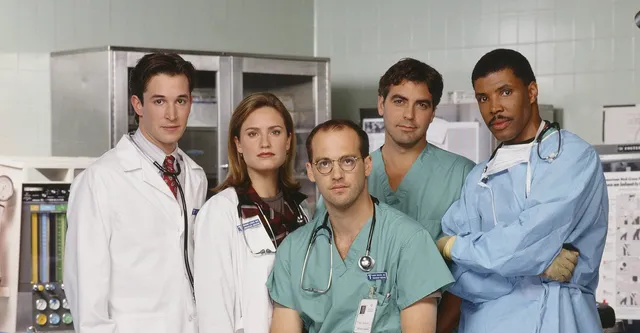
Shows like Grey’s Anatomy (2005) and ER (1994) certainly did focus on the daily rigors of trying to save people’s lives in a hospital, but the most interesting aspects of those shows tended to boil down to relationship drama. There’s no shortage of secret romances, bitter break-ups, and debates within fan communities over who the best ships are. Even when medical dramas are focused on doctors healing their patients, sometimes they’re so extravagant that it’s hard to take them seriously. House (2004) is a perfect example of this, since while the show is undeniably a drama, featuring a revolving door of rare and obscure medical cases like bubonic plague and Wiskott-Aldrich Syndrome that only those in the field would have any awareness of tend to make the show more fantastical than other medical dramas.
The Pitt trades all of that in for what can essentially be described as a medical slice-of-life. Each season revolves around a tight 24-hour period on a particular day of the year, and seeing what comes through the door. Like most jobs, parts of your shift may be dull with little of note actually happening, while other parts can be hectic with no relief in sight. It may not make The Pitt as glamorous or over-the-top as other medical shows, but it certainly doesn’t make the show any less entertaining than its predecessors.
Is the Lack of Melodrama Such a Game Changer In ‘The Pitt’?
It’s important to keep in mind that a lack of melodrama doesn’t make a show bad. Melodramatic movies and shows are exaggerated solely because they’re trying to provoke large reactions from their viewers. There are too many melodramatic deaths in shows like Grey’s Anatomy to count (looking at you George), but they stick with viewers for years to come because of the big feelings they evoke in the viewer. So why is the lack of melodrama in The Pitt such a game-changer?
Well, first and foremost, when every show in a genre is doing the same thing, they start to lose their punch. Hospital romances are fun, but not every medical show needs to focus on that. The Pitt exchanges the unrealistic depictions of working in a hospital with grounded and very real situations. The patients that enter the Pittsburgh Trauma Medical Center aren’t stock characters, but feel like real people with real medical conditions. The treatments they undergo can sometimes be mild, but also intense. Not only that, but the series doesn’t hold back in depicting the unglamorous moments that doctors and social workers who work in hospitals have to go through, like a doctor telling a family that their daughter is dead.
It’s painfully accurate, and that’s what makes it impossible to stop watching. By getting rid of all of the extraneous drama and focusing solely on the daily grind of doctors, nurses, medical students, and countless other people who work in hospitals, The Pitt has an air of authenticity that other medical shows simply can’t match. Sure, there are realistic medical shows like ER and Chicago Med (2015), but none can compare to The Pitt and its attention to detail. While it may be fun to watch doctors continually hook up with each other in the closet, the drama of not knowing whether or not a person will live or die is even more compelling.
Does ‘The Pitt’ Deserve the Acclaim It's Earning?
Clearly, there’s a lot of love for The Pitt. It’s won numerous awards at the Emmys and Golden Globes after just one season, and Noah Wyle has earned plenty of wins for portraying Robby, but is it worth the hype?
Short answer, yes. While fans of the genre may be disappointed by the lack of “will they, won’t they” drama that medical dramas have become known for, it doesn’t make the show any less engaging. The cast is all very well written and, thanks to the consultation of numerous medical professionals, they all play their parts well. They’re a cohesive unit, much like the staff at Sacred Heart in Scrubs (2001), and it’s easy to have your own favorite character from the large cast assembled. They all work wonderfully together, which helps make the Pittsburgh Medical Trauma Center feel like a real hospital.
The Pitt is unflinching as a medical drama, and with future seasons all but guaranteed due to the show’s critical acclaim, fans of this gritty medical drama should be satisfied for years to come. And if you’re still sad about the lack of romance and want to watch melodramatic tea be spilled, go watch Bridgerton (2020).