The Best Time Loop Movies Ever & How To Watch Them Over And Over And Over

Time loops have been a popular sci-fi concept for decades. While time travel establishes the ability to hop around periods, the time loop story keeps characters caught in a single period of time that recycles and repeats that same period of time for a character. Films using this trope tend to have a lot of creative fun with the concept, playing with repeating events and subverting expectations for clever results.
Plenty of movies over the years have utilized the concept, even by limiting it to a single time-hop like in Mike & Nick & Nick & Alice (2026). The most memorable movies with time loops in them are the ones that use that underlying sci-fi concept in different ways, like setting up action beats, scary twists, or silly turns. Here are the time loop movies you’re going to want to watch on repeat, available to stream now on HBO Max, Prime Video, and more.


Perhaps the most famous of the time loop sub-genre of movies, Groundhog Day, helped solidify the concept of the time loop as an engine for comedy. The film gives Bill Murray one of his best ever showcases as the prickly Phil Connors who’s forced to relive the same day over and over again in a small Pennsylvania town.
The film embraces a dark sense of comedy alongside some surprisingly whimsical romance, giving the film a softer edge than it initially appears to have. If you didn’t enjoy Murray’s style of comedy in Ghostbusters (1984) or Scrooged (1988), you probably won’t enjoy his signature here—but if you love a good silly comedy with a bigger heart than it appears to have, Groundhog Day’s surprisingly sweet core will win you over.











Palm Springs feels like a creative descendant of Groundhog Day and a peer of Black Mirror (2011), taking a more introspective look at how the time loop could be in direct contrast with a romantic comedy. When Cristin Milioti's Sarah is drawn into a time loop at her sister's wedding, she discovers that Andy Samberg's Nyles is stuck in it too—and both are forced to confront some harsh truths about themselves and the world at large.
Samberg and Milioti get to use the concept to showcase some great depth for their characters while keeping them silly enough to be entertaining. The movie has a lot of fun with a mix of a complex rom-com dynamic along with some absurdist humor befitting the Brooklyn Nine-Nine (2013) star, with a perfectly ambiguous ending to leave fans of classic romcoms like When Harry Met Sally (1989) swooning.






Tom Cruise’s Edge of Tomorrow is a big, bawdy action flick that uses the sci-fi concept for some great blockbuster moments. The movie focuses on Cruise’s cowardly military press officer, who is forced onto the frontlines of a battle against overwhelming alien armies—only to be exposed to their blood and given the ability to be reborn 24 hours before he was killed each time.
Based on an acclaimed Japanese manga series, Edge of Tomorrow takes the story into a larger space, with Emily Blunt especially shining as another soldier caught in the same loop. While it might be a bit too flashy for audiences who were especially turned off by the CGI-heavy action movie franchises like Transformers (2007), there’s a level of craft on display here that serves as a perfect reminder of why Tom Cruise has been a star for decades.









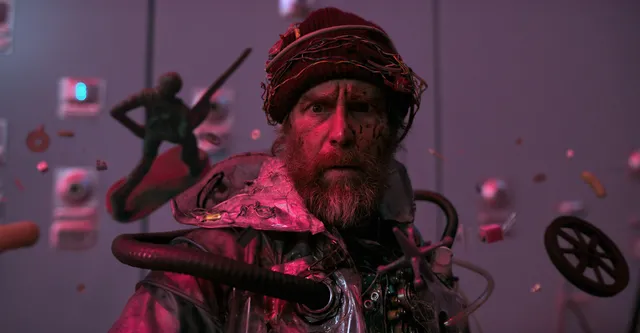
Playing out as a snarky self-aware riff on the sub-genre, Boss Level is a fun (and very action-packed) take on the concept that gives Frank Grillo one of his best-ever action showcases. Grillo plays Roy Pulver, a deadly soldier caught in a time loop for months, desperately trying to get through the loop and find a way to save the world.
The film shines when it leans into an almost Crank (2006) style of manic glee, letting Grillo get cut in half or blown apart as he learns, adjusts, and grows with each loop. The little human touches keep the movie grounded emotionally enough to be engaging, even as it occasionally approaches Deadpool (2016) levels of comically smug. While it might not be the most complex film on this list, there’s a simple and straightforward sense of fun to this action film that makes it easy to recommend.
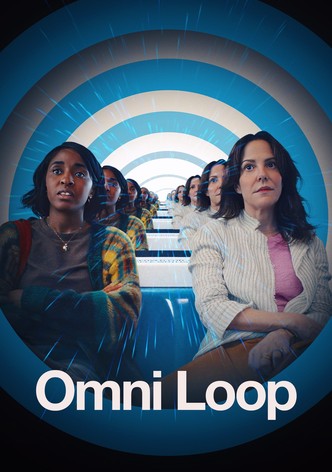
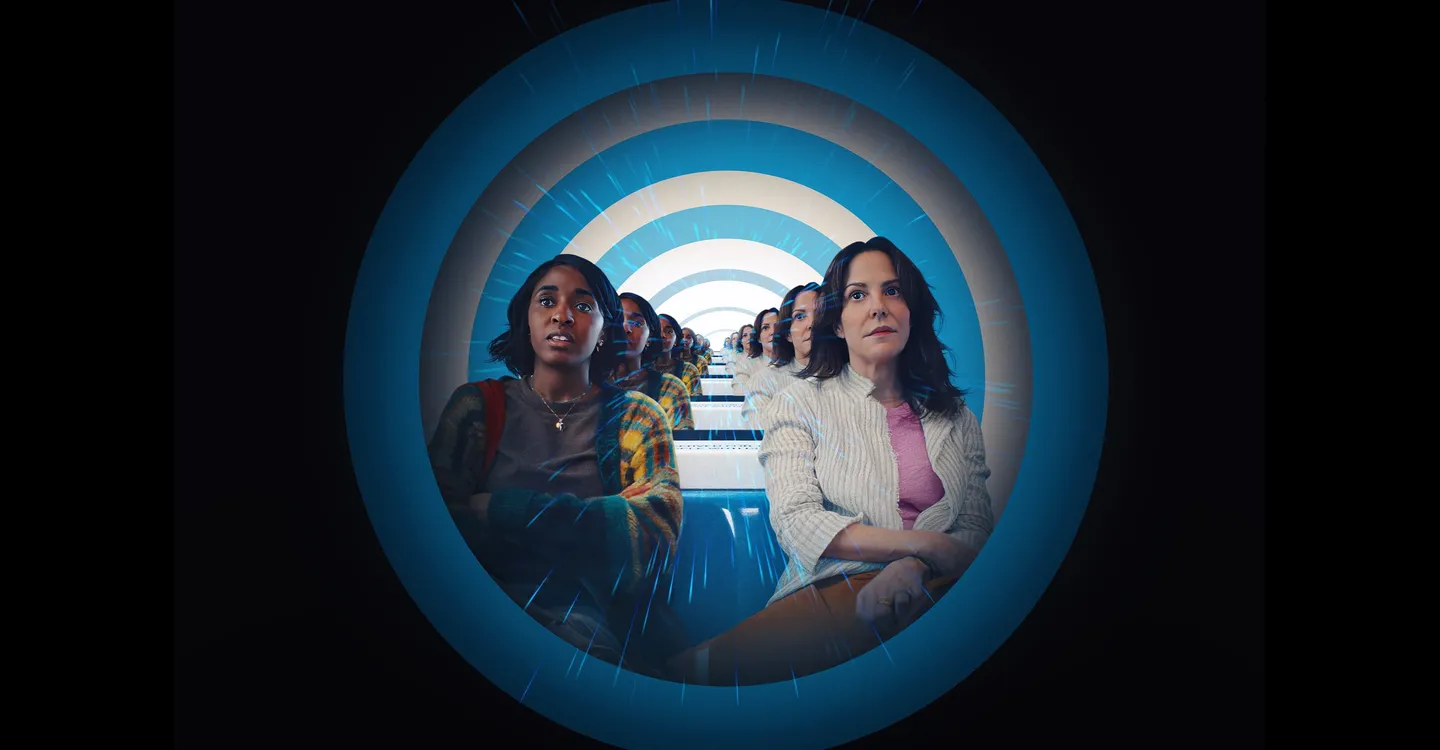
Omni Loop plays with the concept of the time loop in a much more bittersweet and dramatic way than a lot of the entries on this list. The film focuses on a science writer who is on the verge of death from repeated use of time travel pills, working with a young assistant to uncover a potential cure.
More somber in its execution in a way that's willing to get inventive and experimental at times, the film benefits from Mary-Louise Parker and Ayo Edebiri's performances that never allow the surreal sci-fi to overtake the underlying humanity of the premise. Dense without being too disconnected to its own humanity, Omni Loop is the time loop movie for audiences who prefer a slow-burning A24 genre drama over the more overtly sci-fi or action-driven takes on the sub-genre.
















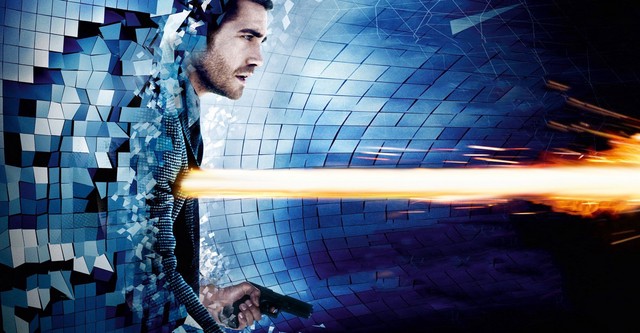
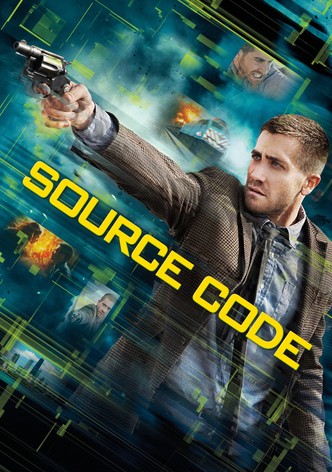
Similar to Looper in terms of tone, Source Code is much more in the vein of a Mission: Impossible movie in terms of action—which isn’t exactly a problem for the film. Starring Jake Gyllenhaal as a soldier caught in a time loop during a terrorist attack, the actor plays Colter Stevens with a tragically human edge that keeps the cost of the time loops front and center.
As the story unravels and the true scope of what’s happening to Colter becomes obvious, the film takes on a darker edge that only makes the thriller elements hit with a more hefty emotional punch. Source Code uses the concept to solid effect, blending the kind of action that feels familiar to fans of The Bourne Identity (2002) without feeling derivative of it. While some late twists might catch audiences by surprise, there’s a solid dramatic core to this time loop thriller that makes it easy to recommend to action fans.






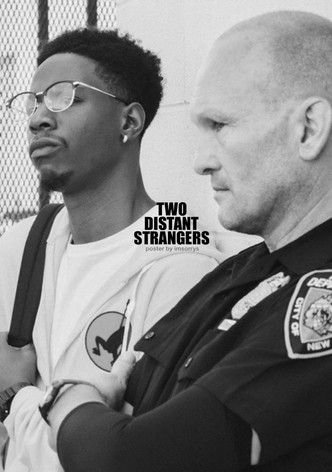
One of the most thematically powerful (and short) films on this list, Two Distant Strangers uses the time loop genre to tell a story about the seemingly endless nature of social injustice. The film follows a young Black man in New York City named Carter, who finds himself caught in a loop where he’s repeatedly killed by the police.
The film tackles the issue of police brutality in America head-on, with little in the way of actual explanation of the time loop. This actually adds to the effectiveness of the Oscar-winning short film, giving it a weighty sense of randomness that makes it all the more effective. Two Distant Strangers uses the metaphor overtly to terrific effect, with a grim subject matter and a resilient sense of home delivering on the concept in a way few other uses of the genre ever have.