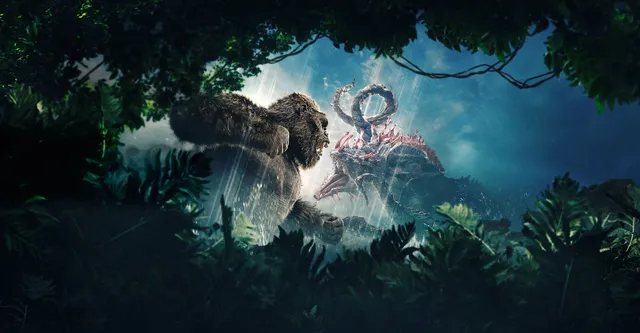
10 Best ’Godzilla’ Rip-Offs, Ranked

Godzilla Minus Zero (2026) is coming to theaters later this year and promises to see the kaiju take on the forces of Japan and the United States, set not long after World War II. This film is the latest entry in a decades-long history of Godzilla and kaiju films, with this being a sequel to one of the best ever made.
While The Beast of 20,000 Fathoms (1953) set a standard, Godzilla (1954) solidified it; however, there have been other Godzilla ripoffs that continued the trend. That said, some were great, and others had great elements that are worth mentioning. Here are 10 of the best Godzilla rip-offs, ranked to the best, that you can check out on JustWatch TV, Prime Video, and more!


North Korea's only film, Pulgasari (1985) follows a massive monster brought to life when a young girl awakens a monster figurine with her blood to enact the last will of her father, getting back at an imperial regime. It has all the traits of The Return of Godzilla (1984) but is incredibly infamous for how it was made.
North Korea's collaboration with Godzilla's own Toho was part of it, but the film was made by an imprisoned couple, directors Shin Sang-ok and Choi Eun-hee. The circumstances of how this movie was made puts it at the bottom of the list, and yet many behind-the-scenes experiences and its reception aren't as condemning as you'd expect.



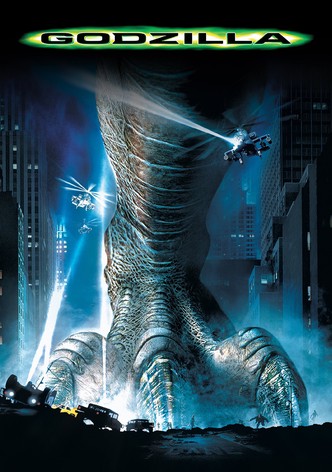

While Roland Emmerich's Godzilla (1998) shares the name of Japan's favorite kaiju, that's the only similarity the film has. Instead, Godzilla explores new ideas with the character, with the only similarity being that the creature is big and born from radiation. But this monster sets its sights on New York City with the goal of breeding rather than destroying.
Godzilla is a film that offended Toho so much that we didn't see a Western movie based on the character until 2014. But decades later, viewing it as a rip-off gives it more charm than it had upon release as a fun creature feature.









The only Indian-Hindu kaiju film, Gogola (1966), is very nearly lost media and follows a simple narrative: a giant monster appears, challenges the military, retreats to the ocean, and is defeated. However, the special effects of the film, even if cheesy, make it an endearing rip-off.
What kaiju films lack, especially in the modern age, is a sense of international growth, with many countries trying their hand at giant monster movies. The '60s were a great time for this, and Gogola is a perfect example.


Capitalizing on Godzilla, Japan's Gappa: The Triphibian Monster (1967) isn't a story of a monster Hell-bent on destruction. Instead, it's a story about scared parents wreaking havoc to get their child back after people take in a bird-like monster.
Gappa is a story you don't see often in the kaiju space, as it's more about family than chaos, but it's a formative film that borrowed from another Godzilla movie to tell a new story. Plus, seeing any kaiju film with flying monsters is always a special effects treat.











A British attempt to make a giant monster movie, The Giant Behemoth (1959) uses all the best story elements of Godzilla as a foundation. Radiation is the foundation of the film, as it enhances an amphibious creature that looks prehistoric. It's destructive and violent, and it was ahead of its time, as its ending teased the possibility of a sequel if it had succeeded.
Rather than a suit, The Giant Behemoth uses stop-motion to bring its monster to life. While this gives the film a dated feel, it's still an entertaining watch and allows the monster to look more inhuman, further dividing it from Godzilla.


Reptilicus (1961) is a Danish monster film that shares the same name as another monster film that uses nearly the same plot, sets, and details, similar to the Spanish version of Dracula (1931). The film follows a monster frozen in ice that is left out to thaw and terrorizes a nearby city.
Reptilicus looks awesome on screen and is one of the most interesting monster designs of the '60s. Though there are technically two versions of the film, it's worth checking out both solely to see how Godzilla influenced it.







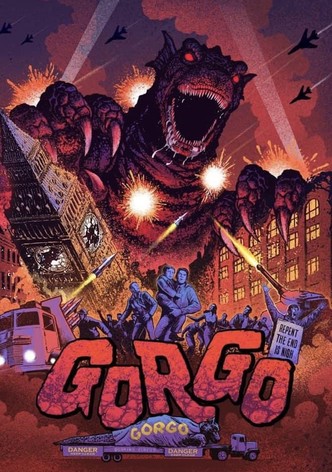
Gorgo (1961) is a British monster movie that blends both Godzilla and King Kong (1933) to introduce a prehistoric creature unleashed by a volcano. When humans capture it and try to use it to draw a crowd, it escapes and terrorizes London, facing the military.
While Gorgo looks like Godzilla, the film feels like a relatively original concept, and it works among the many other similar films that were released at this time. If you're a fan of Godzilla, Gorgo is a must-watch.











A South Korean monster movie, Yongary, Monster from the Deep (1967), is another tried-and-true Godzilla rip-off, as the creature is born of nuclear testing and terrorizes Seoul. The film brings the terror of the original Godzilla to a new decade, and while it feels like a similar film, the techniques used to bring Yongary to life are still fun to watch.
Yongary has destructive power, and what made the film stand out was that it wasn't an evil creature wreaking destruction but rather an animal doing what it does to survive. Yongary, Monster from the Deep is a rip-off but also gives you a lot of new ideas to enjoy.








A true challenger to the popularity of Godzilla, Gamera is a kaiju hero and friend to the children who also fights monsters. Gamera, the Giant Monster (1965) started as a somewhat violent creature but eventually grew to be a hero. Nevertheless, the first film felt like a Godzilla movie with only a few changes.
Gamera, the Giant Monster, started something new in the kaiju space, and it's still enjoyed today as a character who earned his spot alongside Godzilla. Even so, the first film feels way too familiar to his rival, no matter how fun it is.




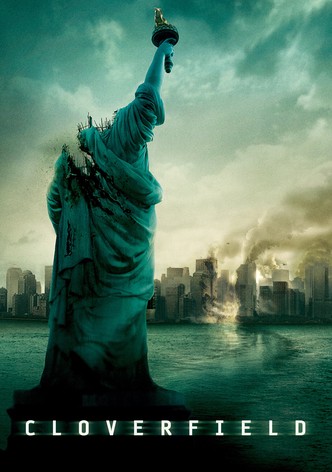

The J.J. Abrams kaiju hit Cloverfield (2008) is a found-footage monster movie that explores what happens when a massive creature attacks a big city. When the teasers first came out, we all thought it was a Godzilla film, but what we got was only that in spirit.
Cloverfield has the DNA of a Godzilla movie but also introduces tiny monsters similar to the Godzilla villain Destoroyah, and brings a twisted new monster design to its creature. Of all the Godzilla rip-offs to watch, Cloverfield is a rite of passage, which is why it tops this list!