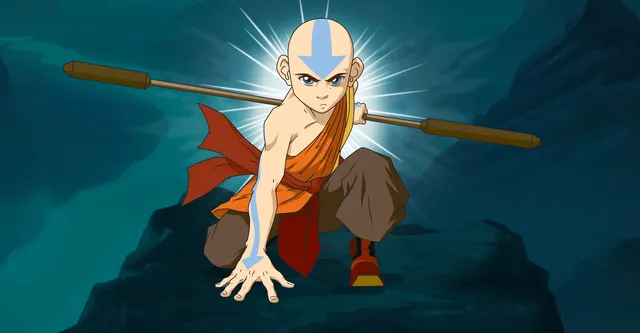
‘Avatar Aang’: How Aang, Katara, Sokka, Toph & Zuko Have Changed Since The OG Series

Avatar Aang: The Last Airbender (2026) is an interesting interquel, a sequel to Avatar: The Last Airbender (2005) that also quietly sets up a lot of the groundwork for the world of Avatar: The Legend of Korra (2012). Set roughly a decade or so after the original show, the heroes of that series—Aang, Katara, Sokka, Toph, and Zuko—have gone from scrappy underdogs to leaders and icons in their world. Their actions are reshaping a formerly war-torn world in key ways.
However, the discovery of a long-lost airbender threatens to take the world in a much more dangerous direction. This mission underscores all the ways the Avatar heroes have changed since the original show—and highlights the ways they still remain the same at their core. Here are the biggest changes for the heroes of Avatar between the original show and the feature-length sequel, as well as how they lay the groundwork for what audiences know is coming next for the characters.
Aang

At the center of this era of Avatar is Aang, the heroic lead of the original show and the focal character of the film. Aang is in many ways still that innocent boy at heart, with an enthusiasm for others that hasn’t died down. However, the character has grown somewhat despondent as time has gone on. Traveling the world and discovering the ruins of the Air Nomad Temples, Aang has grown even more self-reflective about the end of his culture.
That leads to his discovery of Tagah, another Airbender who had been frozen in their era and thawed centuries later. It’s also what sets up the true emotional arc of the film, where Aang has to learn to embrace the memory of his people as part of his work uniting the rest of the cultures together—leading to the formation of the Air Acolytes and the creation of Air Temple Island. Aang’s big change is the heart of the film, following his efforts to turn his grief into something else.
Katara

Katara is Aang’s waterbending mentor, long-time ally, and future wife in Avatar Aang. As one of the major figures who resolved the war against the Fire Nation, Katara has maintained a strong sense of respect in the world. She lives in the united capital of Republic City, the only member of the Gaang to do so at this point in the timeline.
She’s also shown to be in a relationship with Aang, which will eventually culminate in the three children who go on to play important roles in The Legend of Korra. Korra retains a lot of her resilience from the original show and has developed a steelier disposition that allows her to openly confront Tagah when she begins to suspect he’s leading Aang down a dangerous path. Katara becomes the rock of the film, carrying on her growth from the original show.
Sokka

Katara’s older brother, Sokka remains the goofy heart and technical expert in the team. Sokka’s arc in the original show was to drop the proud warrior act and truly become a disciplined (if still goofy) fighter and inventor. This combination made him crucial to Aang’s victory in both the show and the movie, all while providing the story with some crucial levity. By the time of the film, Sokka has returned to the Southern Water Tribe and has been expanding his inventions, a fitting move given his previous role.
One of the interesting beats of the movie from a fan perspective is that the episode doesn’t address any of the relationships the character was teased with during the original show. While Suki, Ty Lee, and even Toph were all set up as potential love interests for the character, he doesn’t have any concrete relationship with any of them. Still, Sokka finds time to reference his popularity with the ladies and continues to play an important role as comic relief and quirky inventor among the team.
Toph

Toph was a big fan favorite in the original show (and eventually in the final season of The Legend of Korra, where she played a vital supporting role in the battle against the Earth Empire). While that show also confirmed that Toph would eventually become the chief of police in Republic City, that hasn’t happened by the time of the show.
Instead, Toph is still serving as a teacher at her private metalbending academy, teaching other earthbenders the secrets to her discovery of how to alter metallic substances through her powers. Similar to Sokka, Toph is very similar to the person she was in the original show, although her boredom at her current situation speaks to an impulsive disconnect from long-term commitments that quietly reinforces the distance that exists between Toph and her children by the events of The Legend of Korra.
Zuko

Zuko was initially the villain of Avatar: The Last Airbender before gradually becoming more complex and developing a close bond with Aang over the course of the original show. While everyone is a fairly respected and important figure in their world since the events of that show, Zuko has gone through the biggest changes as the Fire Lord. As the ruler of his nation, Zuko has helped transform the dangerous empire into a more benevolent corner of the world.
While the film doesn’t resolve any of the lingering threads about the character from the two animated shows (like who he eventually starts a family with or the fate of his sister Azula), fans curious about his evolution can check out the official Avatar: The Last Airbender comic books that the film references on occasion. At his core, though, Zuko remains a crucial and empathic redeemed hero in the Avatar series, playing a supporting but important role in Avatar Aang.