10 Animated TV Shows With Major LGBT Themes

Representation in media matters, and that couldn’t be truer in the world of animation. In an animated show, characters can look and act however the animators want without any limitations. The sky’s the limit in terms of creativity, but despite that, it seems that only in the past decade or so, animated shows feel comfortable depicting what the LGBT experience is like. Of course, LGBT representation in animation goes back decades, all the way back to the ‘80s, but it seems that recently, showrunners and creators are given the ability to tell uniquely gay experiences in a medium that gives them the ability to be as creative as they want.
Thankfully, many animated shows with LGBT themes have left a huge impact on the world of animation, and this Pride Month, these shows deserve recognition. Not every show on this list is completely centered around themes like sexual identity, coming out, or dealing with discrimination from being gay, but they feature prominently enough to be seen as important. That, or they’re just really good shows that just so happen to have some LGBT themes included. So if you have streaming services like Disney+, Amazon Prime Video, or Crunchyroll, before this year’s Pride Month is over, consider sitting down and giving these ten shows a watch.


If there’s one show that is gay and proud of it, it’s She-Ra and the Princesses of Power. For five seasons, She-Ra and the Princesses of Power was able to not only tell a gripping sci-fi fantasy epic that is just as good as Avatar: The Last Airbender (2005), but also features one of the best and most fulfilling LGBT romances ever put on television.
So much of She-Ra and the Princesses of Power’s identity comes from the complex relationship between Adora and Catra, two friends turned bitter enemies who deeply care about each other. Their relationship, and the constantly shifting nature of it, is the beating heart of She-Ra, and by the time it concludes, you’ll be fully onboard the Catradora train. But the show’s LGBT themes go beyond that, with multiple characters from all across the LGBT spectrum being treated not only with respect, but having fleshed out arcs that don’t revolve around them being gay. Hell, it’s a show that has its first season end with a giant rainbow defeating the evil Horde. If that’s not LGBT representation, I don’t know what is, and it’s still a crying shame that it’s now considered lost media.





By all accounts, Steven Universe was seen as one of the trailblazers of LGBT representation in Western animation. It’s a show about love in all of its forms, and the longer the show goes on, the more comfortable it is exploring how love is truly universal.
Throughout its five-season run, which includes Steven Universe: The Movie (2019) and its epilogue series, Steven Universe Future (2020), we witness the Crystal Gems come to terms with who they are as people. We see Pearl’s one-sided love with Rose Quartz and how deeply conflicted it makes her. We see the budding relationship between Peridot and Lapis Lazuli, who are totally gay aunts. But most importantly, we witness the romance that powers Garnet, with her two sides, Ruby and Sapphire, eventually getting married in the first-ever animated same-sex wedding. Plus, Steven Universe never dives into the “kill your gays” trope. Everyone’s love is respected, cherished, and fostered, making it one of the best LGBT shows of all time, animated or otherwise.









There’s a phrase that old-school anime fans know: “In Ikuhara We Trust.” That’s because if you’ve ever seen an anime by Kunihiko Ikuhara, you’ll know it’s strange, surreal, and at points nonsensical, but that it’s also going to be immaculately constructed and have plenty of powerful LGBT themes inside of it. And nothing quite compares to his fantastical epic, Revolutionary Girl Utena.
Utena is a series that questions the very notion of gender. Our hero, Utena, wishes to be a prince, like the one she met as a child. That doesn’t mean she wishes to become a man, but rather to embody the ideals of a prince, like honor, courage, and chivalry. She does develop feelings for the Rose Bride, a young woman named Anthy, who Utena has to defend from others seeking her hand in marriage for rather selfish intent. In a lot of ways, Revolutionary Girl Utena thoughtfully explores the role of gender as a social construct and how needlessly restrictive it is, which fans of Orlando (1992) may find familiar. It’s a dense watch, and many of its more complex themes can fly over most people’s heads, but trust in Ikuhara, and you’ll be delivered an LGBT masterpiece.


A show doesn’t have to outright state that characters are gay for it to be considered an important series for the LGBT community. Take Yuri!!! On Ice. Despite its two leads being very clearly in love with one another, they never once exchange those all too important words with each other.
Japan has a weird relationship with depictions of gay men in media. They’re often shown as the subjects of ridicule and punchlines, which tends to be cringeworthy to anyone from the West. It’s not super often that male homosexuality is treated with dignity and respect in the anime sphere, and yet it’s what makes Yuri!!! on Ice so special. Its nuance and heart helped it win the inaugural Crunchyroll Anime of the Year award, and helped to legitimize yaoi as a serious genre in the anime sphere. Nothing has quite matched it since then, except for maybe Banana Fish (2022), but for legitimizing yaoi as a valid subgenre of anime, and being a show about a young man gaining confidence in both himself and his own identity, Yuri!!! on Ice is a must-watch.




Adult animation tends to be a lot more risque, but rarely does it focus on LGBT representation. Sometimes a side character may be gay, but more often than not, an adult animated show tends to earn its mature credit for excessive violence and cursing. Harley Quinn decides to focus on all three.
Initially, Harley Quinn seems to be focused on being a feminist take on the Batman series. Harley and Poison Ivy are out making a name for themselves and raise some hell in the process. It doesn’t take long for the two to fall in love and make a little found family of eccentric weirdos that they (sometimes) call friends, which definitely fits in with how members of the LGBT community create support systems of friends and loved ones. None of the jokes are ever at their expense for being gay, though, leaning more into the weird and strange humor that made The Venture Bros. (2004) a cult classic. It’s crass and unapologetic about being in your face, but it’s what helps make the romance between Harley and Ivy all the more sincere.



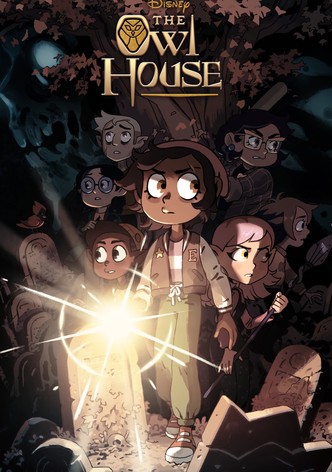
When The Owl House first debuted, it wasn’t really a show that primarily focused on being all about queer representation like She-Ra and the Princesses of Power was. Instead, it was a fantasy show that just so happened to be queer, which is an important distinction.
The Owl House normalizes a lot of LGBT content and presents it in a way that doesn’t make it a huge spectacle. Yes, its leads are gay, and several major supporting characters are non-binary, but the focus of the show was consistent. For all three seasons, The Owl House prioritized being a fantastical show cut from the same cloth as Gravity Falls (2012). Some episodes were one-off adventures, while others fed into the larger narrative about how Luz ended up in the Boiling Isles and Eda’s backstory. For a time, a show having a gay character was seen as a big deal, and some moments in The Owl House still deserve acclaim for its representation, but it deserves just as much credit for making it all seem so normal.
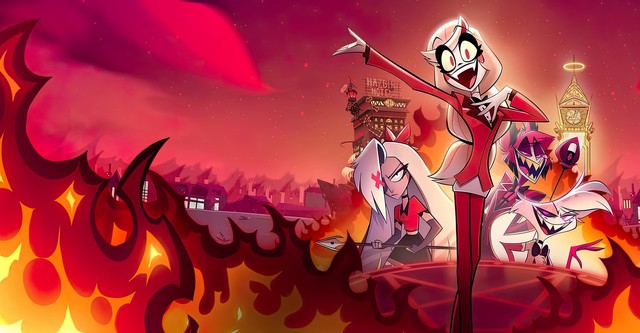

If you’ve had any online interaction with any subsection of the Hazbin Hotel community, it shouldn’t come as a surprise to see it on a list of shows with heavy LGBT representation. Much like The Owl House, it normalizes the gay experience, but gives it the lewdness and gleeful raciness of Harley Quinn.
Hazbin Hotel is queer and proud of it, and is the kind of show that would scream from the mountaintops how gay it is. Between the cast and how openly sexual they are (gotta love Angel Dust), plenty of the songs featured in both seasons one and two have become iconic within the gay community. Seriously, if you haven’t listened to “Poison” yet, do so ASAP. But much like its sister show Helluva Boss (2019), it’s also just plain fun. Hazbin Hotel is fun in the same way that watching a drag show is fun. Everyone is there to have a good time, and if you’re a gay theatre fan, you’ll be singing its songs for years to come.






Is Gankutsuou: The Count of Monte Cristo a gay series? Probably not, but it’s gay in the same way that Hannibal (2013) is. Here is a show with two diametrically opposed leads that obsess over each other, yet their love is never stated with words, but through actions.
Gankutsuou: The Count of Monte Cristo is a wild adaptation of Alexandre Dumas’ seminal novel. It takes the Victorian novel and turns it into a sci-fi anime thriller, complete with giant robot duels, aliens, and a grand war that would feel more at home in Mobile Suit Gundam (1979) than an adaptation of The Count of Monte Cristo. But one of the boldest changes from the book to the screen is focusing the series not on the count’s desire for vengeance, but the budding relationship between him and the series’ protagonist, Albert, who was originally a minor character in the novel. It’s a risky take for a show that was adapted from a novel built upon a straight romance, but making the Count bisexual works within the context of the anime. It’s a non-traditional take on the novel, but one that LGBT lovers will certainly appreciate and find meaning in.

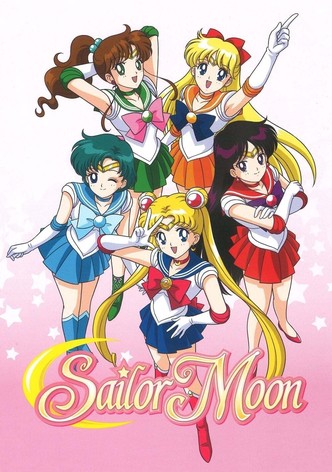
If you were growing up watching Sailor Moon in the ‘90s, then you probably thought that it had gay undertones, even though nothing was explicitly gay about it. But if you decide to rewatch it with a dub that wasn’t handled by DiC Animation, then you’ll realize that it was actually a pioneer in LGBT representation.
The magical girl genre has always had LGBT undertones, but thanks to the debut of Sailor Uranus and Sailor Neptune, those undertones became blaring overtones. They were a lesbian couple, and both women were quite open with their love, but in the original American debut, that relationship was scrubbed away. They were presented as first cousins, which was comical given how no amount of censorship could erase their relationship. Sailor Uranus and Neptune walked so that Puella Magi Madoka Magica (2011) could run, and even though their importance was initially erased, now they’re known as queer icons within the anime community.





Talking about the importance of LGBT representation in animation is tricky because there was a time when any representation was seen as a win for a community that spent decades being mocked, ridiculed, and erased. So while The Legend of Korra’s claim to fame may be somewhat diminished in the years since it concluded, it’s still important to remember.
As a follow-up to Avatar: The Last Airbender, a lot of eyes were on Korra as they attempted to recapture the magic that made the former show so important. While Korra went in its own, darker direction, throughout the show, there was a palpable, romantic feeling between Korra and her closest friend, Asami. However, instead of sharing a kiss in the series finale to codify their love, they simply held hands. Nickelodeon was incredibly stringent and reluctant to depict any LGBT themes in its shows at the time, but thanks to interviews from the show’s creators, as well as later supplemental materials, it was later codified that the two were in a bisexual relationship, which was the first for its time. Censorship may have robbed that moment of the attention that it deserved, but love still triumphed in the end.