The Most Extreme French Revenge Film Ever Made Is Back - But Streamers May be Disappointed

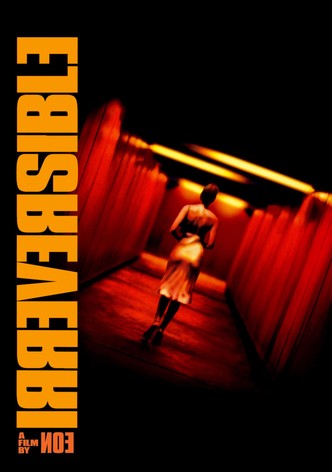
Irreversible is one of those films that, due to its extreme content, most people only watch once, if at all. Directed by Gaspar Noé, the 2002 movie, which stars both Monica Bellucci and Vincent Cassel, is a viewing endurance nightmare, full of brutal gore and strong sexual violence.
Set over the course of a day, Irreversible caught the attention of the cinephile crowd thanks to its unusual narrative structure that sees events play in reverse. Now there is a new ‘Straight Cut’ of Irreversible, one that rearranges the story into a linear format. What effect does this have on the overall viewing experience of Irreversible? Is this a richer version, or has the very thing that made Irreversible interesting been stripped from it?
As the plot of both versions of Irreversible will be discussed here, expect spoilers.
Why Is Irreversible So Controversial?
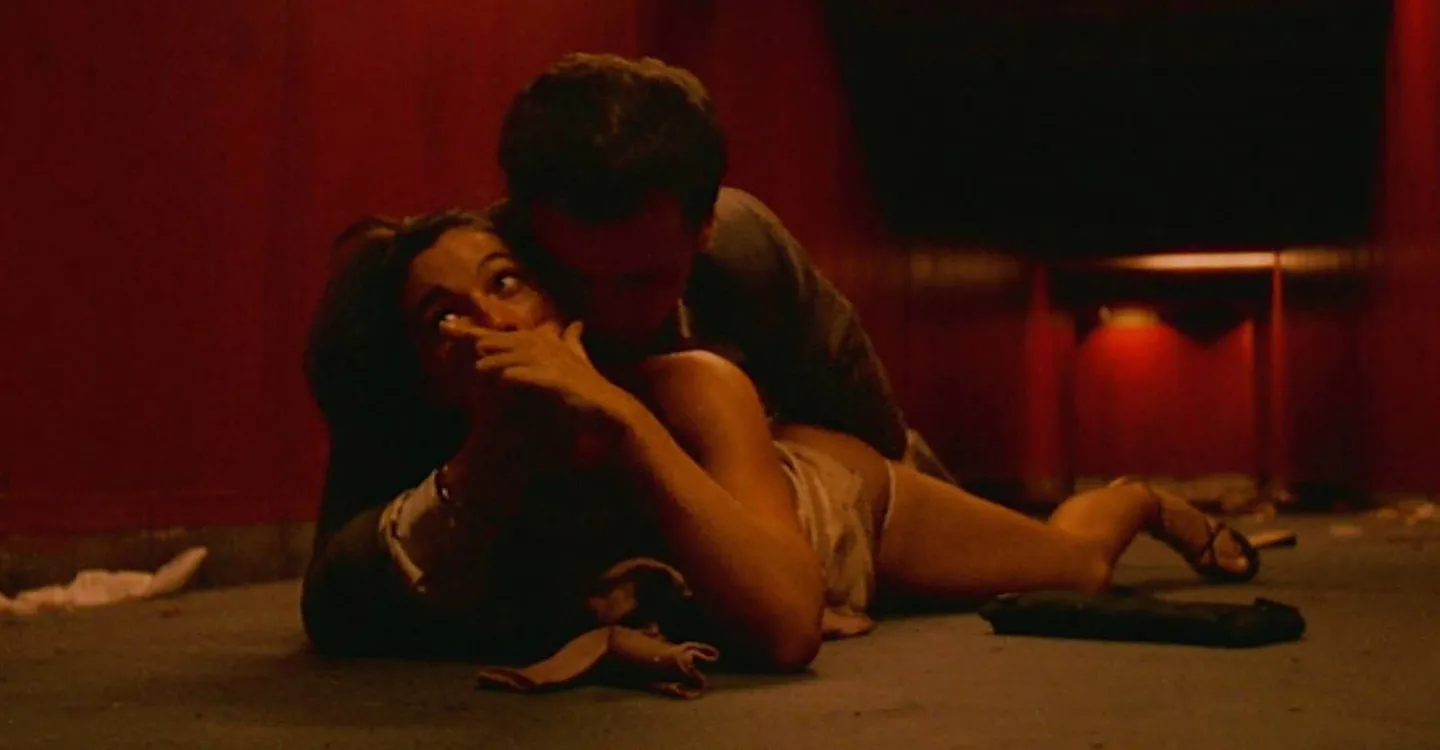
Gaspar Noé has always been a director who has provoked his audience, but none of his films do this more than Irreversible. The main hot button points in the film are the opening act of violence, in which a man has his head smashed in with a fire extinguisher, followed later by the nine-minute-long sexual assault scene. Both sequences are hard to stomach for different reasons, and their inclusion is a key factor in Irreversible being widely considered one of the pioneering films in the New French Extremity movement.
Other examples of New French Extremity that sit alongside Irreversible include Martyrs, High Tension, Inside, Revenge, and Titane. Movies within the sub-genre of New French Extremity are typified by their graphic depiction of violence, often include an element of sexual violence, and push the boundaries of acceptability with confrontational, visceral, and transgressive content. Irreversible definitely fits within this remit, its reversed timeline causing the narrative to be even more impactful.
Opening with the bloody attack in a gay BDSM club, Rectum, the viewer is immediately confronted with a horrific attack that paints perpetrators Marcus and Pierre as the villains. It is only by hopping backwards in the story that the audience realise that these men are, in fact, the film’s heroes - the pair avenging the woman that they both love. As Irreversible moves back in time, it arrives at its most controversial scene, the assault on Alex.
Shot, like many of the scenes in the movie, as one long continuous take, this attack is unflinching with its camerawork, keeping the camera locked onto the harrowing actions unfolding onscreen. It requires a very strong resolve to endure the entire nine minutes. From this point on, with all the bad elements unveiled, Irreversible changes tone, but there are many people who never make it past the controversial subway scene.
How Does The ‘Straight Cut’ Change Irreversible?
The Straight Cut of Irreversible is far more than just a novelty reassembly of the film. Although Irreversible contains some truly horrific sequences, the story ends on a somewhat positive note. Having rewound to far earlier in the day than Alex’s assault, Irreversible is full of love and hope, with Alex discovering that she is pregnant. The film then jumps back to the day before for its final moment as Alex sits serenely in a sunny park. It is a beautiful final image, far removed from the brutality of the opening act and one that can trick the audience into thinking of it as a happy ending.
The truth, of course, is that the viewer is watching Alex, unaware of the terrible fate that awaits her. This adds a bittersweet sheen, with the closing text ‘time destroys everything’ hammering that message home.
When played in story chronological order, as seen in the Straight Cut, the viewer goes on the journey with Alex, Marcus, and Pierre. Rather than travelling from darkness to light, this new version finds them starting on a happy note before descending into a gruesome and agonising nightmare. Once Alex enters the subway, where she encounters her attacker, all brightness is lost, and the conclusion in this version is bleak and bloody. Interestingly, the film’s final closing text has been altered for this cut, stating instead that ‘time reveals everything.’
By playing Irreversible in chronological order, Gaspar Noé’s film becomes stripped of its uniqueness. Without the backwards storytelling component, Irreversible just becomes another rape-revenge film, of which there are plenty in existence. Playing the story straight through also paints Alex as more of a victim than in the original cut. This is due to her final scene now being her on the stretcher, post-attack. In the backwards formation of the story, Alex transitions from the victim that she is introduced as, into a strong, independent woman.
Because of these changes to the overall narrative, both variations of Irreversible are worth watching. The two movies are clearly having a conversation with one another, but both still include those incendiary incidents and viewer discretion is advised. Those who are resilient enough, though, will find films that are far more than their controversial reputation, with the cast, especially Monica Bellucci, giving exceptional performances. As to which one to watch over the other, personally, you can’t beat the original, especially given its slightly ‘happier’ resolution.
Should anyone be really curious, there is a third way to watch Irreversible - side by side. This endeavour is the perfect exercise for lovers of second screening, and it would be interesting to see at what point the story briefly syncs up.
More Films To Get To Know Gaspar Noé
If Irreversible has got you curious about Gaspar Noé, he has an entire catalogue of films of varying degrees of controversy to dig through. A simple, and somewhat connected to Irreversible, place to start with Gaspar Noé is with his debut feature, I Stand Alone. Depending on which version of Irreversible you watch, the film either begins or ends with a character called Butcher explaining the reason why he was in prison. This character is the protagonist of I Stand Alone; its story sees Butcher in the midst of a breakdown attempts to reconnect with his estranged daughter. The synopsis is not as cheery as it might sound, and those who have paid attention to the character’s words in Irreversible know just how grotesque Butcher’s actions become.
Another film to get to know Gasper Noé is Love, which made the headlines due to its explicit unsimulated sex scenes, with audiences of the opinion that it was no better than pornography. Initially, Love was the film that Noé was working on when he thought up Irreversible. The original idea involved using a real married couple, which is why he was brainstorming it around Irreversible as Bellucci and Cassel were husband and wife at the time. They were still together when Noé came to work on Love, but the pair were not comfortable with the director’s idea to feature unsimulated sex. The story sees Murphy, an American man living in Paris, embark on a sexually charged relationship with Electra. All is fine until they invite a third person into their bed…
After Irreversible, Noé’s best-known title is Climax. The film, which finds a troupe of dancers accidentally consuming spiked drinks during a rehearsal break, is a psychedelic assault on the senses. Noé puts painstaking work into making the audience feel as disoriented and as high as the characters through the use of music, strobe lights, and some sickening camerawork. Some of the actions of the spiked dancers are truly heinous, and parents especially will find the fate of one character a little too much to handle. Yet further proof that Noé knows how to get a rise out of his audience, Climax is not for the faint of heart, but for those who brave it, it is one wild ride that isn’t easy to forget.