

All David Fincher Movies, Ranked

From assassins to serial killers and tech geniuses, nobody likes exploring the darker side of obsessive genius quite like David Fincher.
After breaking out as an ad-man and music video director in the 1980s, the Colorado native quickly earned a reputation for making movies in which the only things more detailed than the images are the inner workings of his characters' minds.
For his latest project, Fincher has chosen to do something that he hasn’t done since his 1992 debut: direct a sequel. This movie is called The Adventures of Cliff Booth and it's set a decade after the events of Quentin Tarantino’s Once Upon a Time… in Hollywood. So far, we've yet to hear even a whisper about the finished product, but the director has proven himself to be very much at home in the movie’s 1970s setting in the past, and the trailer tantalisingly suggests that it will offer the best of both him and QT. We will have to wait and see.
Until then, it feels like the perfect time to look back over the director’s 12 features to date and see what rises to the top when viewed today. In the list below you’ll find a little more info on each of David Fincher's movies as director as well as details on where you can watch them.
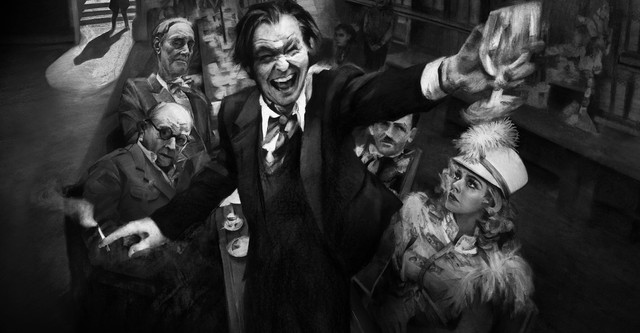


In last place for me, with respect, is Mank. This is a movie that explores how the screenwriter Joseph Mankievicz was perhaps under-credited for his contributions to Orsen Welles' Citizen Kane, but despite some great performances and gorgeous period detail, the idea of any contemporary director calling Welles a hack just feels a bit off, no?
Fincher developed the movie (which stars a scene-chewing Gary Oldman in the title role) from a script his father wrote before he passed away in 2003. As backstories go, that's nothing if not endearing — but as a wise man once said, if you come at the king you best not miss.

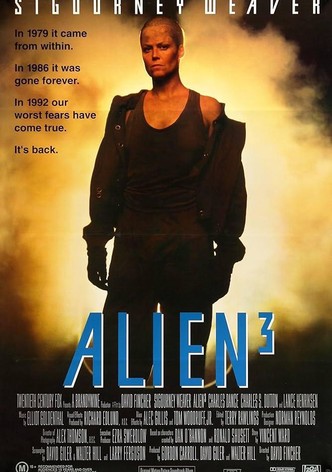

After hiring Fincher off the back of a run of stylish and sultry music videos for the likes of Madonna and George Michael, 20th Century Fox may have been expecting something a little different than the gritty, grungy aesthetic he brought to Alien³.
The legendary franchise had already elevated Ridley Scott and James Cameron to the status of sci-fi gods, but Fincher’s space-prison instalment proved a little too rough around the edges for viewers’ tastes. There are cool ideas in here, no doubt, but it just never scratches that Alien itch.
It’s probably saying it all that the director hasn’t really made a science fiction movie since.






Bundle HD






Finely executed, tightly wound, but just a touch redundant, The Killer is the kind of Fincher movie that flies by as you're watching it before disappearing from your brain altogether as soon as the credits roll.
As the title suggests, the movie stars Michael Fassbender as a typically Fincherian assassin: which is to say, he’s as likely to inform you (via narration) about the calibre of his chosen weapon as he is to tell you about the protein count of an egg McMuffin.
A fun watch nonetheless, just a slightly forgettable one.


The Curious Case of Benjamin Button is a curious case indeed. Released in 2008, a year after Fincher's landmark success with Zodiac, it was positioned as the movie that would take Fincher out of the genre game and into the Oscar big leagues, but it just didn’t quite pan out like that.
Benjamin Button is basically Fincher’s Forrest Gump (even if it feel a bit more like the final act of Interview With the Vampire), except with Brad Pitt as the outsider — if you don't know, he plays a man who ages in reverse — who gets a front row seat to America across the 20th century.
If you’ve never seen it, it’s well worth checking out — just be warned, the second act does lag.



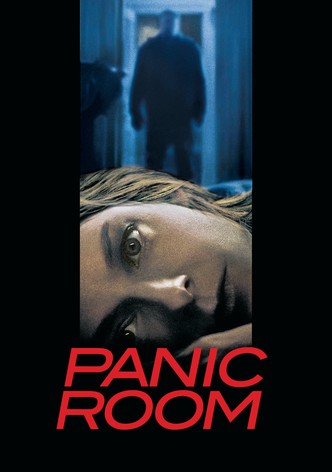
Panic Room rarely gets a mention in conversations about Fincher’s best work, but it’s a tightly wound thriller that boasts a whole bunch of the director’s signature flourishes.
It also features fine performances from Jodie Foster and a very young Kristen Stewart, neither of whom are very rarely off-screen in this story of a mother and daughter trying to survive a home invasion.
If you like gripping, claustrophobic movies (think Collateral or Locke) you’re bound to vibe with this one.



For some movie fans, Fincher’s adaptation of The Girl With the Dragon Tattoo came a little too soon after the perfectly decent Swedish original, but it’s still one of the director’s finest achievements and most underrated movies.
Perhaps if they’d waited a little more time, we might have gotten to see the trilogy that the director, Rooney Mara, and his screenwriter (the great Steven Zallian) had planned, but the movie disappointed at the box office and those scripts were eventually shelved.
Whatever the case, don’t let that get in the way of you enjoying this gnarled techno thriller (think a little bit The Matrix and a little bit Silence of the Lambs) about an angel of death who is also the greatest hacker in the world.



I’m not sure why, but The Game feels like the most undervalued movie in Fincher’s back catalogue. Regarding things like sense and inner logic, his followup to Se7en doesn’t quite add up in the end, but in terms of pure enjoyment (certainly on first watch) it’s one of his best.
Michael Douglas stars in a very Michael Douglas role: a wealthy but bored investment banker who is seduced into playing a game where the stakes are quickly revealed to be life or death. Like Eyes Wide Shut and movies of that ilk, it’s a story the explores something a lot of us have been thinking about lately — that is, the lengths that the über-rich are willing to go to simply feel alive again.


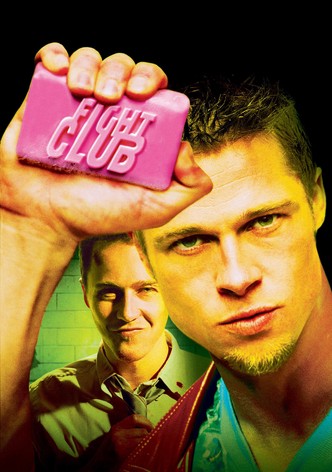
Two years after The Game, Fincher returned with another movie about the lengths that some men are willing to go to simply feel alive. Based on Chuck Palahniuk’s cult classic novel, Fight Club (at the risk of breaking the first two rules) is a story about male disenfranchisement and frustration that, seen today, appears to predict the manosphere.
That many of that particular scene’s high-ranking goons probably list this film in their top tens says all you need to know about how it's been co-opted — but don't let that get in the way of seeing it. In terms of filmmaking alone it's still a fascinating watch.



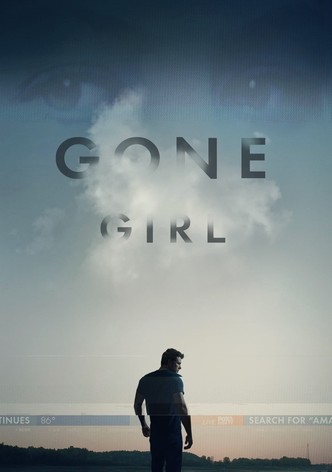
Speaking of Fincher movies that’ve been endlessly pored over and reassessed in the last few years, perhaps none have taken up more column space than his incredible 2014 adaptation of Gone Girl. Leading up to the release, the movie looked like a perfectly classy reimagining of a recent bestseller, but the movie has had a remarkable half life — especially with regards to its central narrative U-turn and what it means for the male and female gaze.
Whatever you think about all of that, it still absolutely rips as a pure, lean, gripping thriller — the kind of mystery that’ll keep you guessing all the way up to the very last shot. Think something like Prisoners, but with a few more ideas to chew on and a twisted sense of humour thrown in on top.

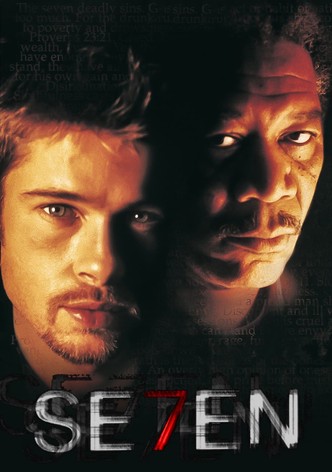
If you’ve watched a single true crime show in the last 20 years, you’ve probably already seen the influence of David Fincher’s Se7en a bunch of times. This game-changer of a movie stars Brad Pitt and Morgan Freeman as two detectives tasked with tracking down a serial killer with an ingenious plan — but we should leave it there. The less known about this one going in, the better.
No doubt, Fincher and Andrew Kevin Walker's twisty-turny script would have been enough to make the movie a success on its own, but the visual vibe and technical elements of Se7en are just as remarkable: from Darius Khondji’s moody images and dark green lighting to Howard Shore’s score (even the inventive DVD menu is iconic) it set the tone and raised the bar for crime movies and shows ever since.


