

The 10 Movies That Define The '00s

With low-rise jeans and velour trackies once again dominating the windows of high street stores, and app-free phones and — most shockingly of all — DVDs apparently all the rage, it’s safe to say that the 2000s have never been more back.
Now, as we start to celebrate the 25th anniversary of some of that decade’s finest movies, you get the sense that the cinema of that era is about to experience something similar — all the more reason to take a look back and consider the movies that best defined the era.
In the list below, you’ll not find a regular top 10 of the era (although, naturally, there is some crossover). Think of it more like a snapshot of what cinema in the ‘00s felt like — for want of a better word — in a decade defined by flip-phones, Myspace, and the wars in Iraq and Afghanistan.
Read on to discover more and use the guide below to find out where to stream them on services like AppleTV, Netflix, Prime Video and elsewhere.


I recently heard the action movie mood of the ‘00s — that gritty look, chunky tech, surveillance-anxiety vibe — described as Nokiawave. This, in my opinion, is an excellent addition to the cinema lexicon, and no franchise helped to establish that mood quite like the Bourne films. For me, the third in that series, The Bourne Ultimatum, is still the best of the lot.
Matt Damon’s wired performance alongside the movie’s politics and Paul Greengrass’ aesthetic — all handheld cameras and washed-out colours — could not be more ‘00s if it tried. If you like this one, be sure to check out Michael Clayton and The Hurt Locker next.








On the other side of the political coin in the ‘00s was Trey Parker and Matt Stone’s Team America World Police, a satire on the war on terror made using puppets. With a notoriously graphic sex scene, a full song and dance number warbled by no less than Kim Jong-il, and plenty of jabs at Hollywood liberalism to balance things out, the movie was a sensation upon release and is still, for me, one of the funniest comedies of all time.
If you like the stupid-smart vibe of this one, make sure to check out Sacha Baron Cohen’s equally timely Borat and Mike Judge’s eerily prescient Idiocracy.
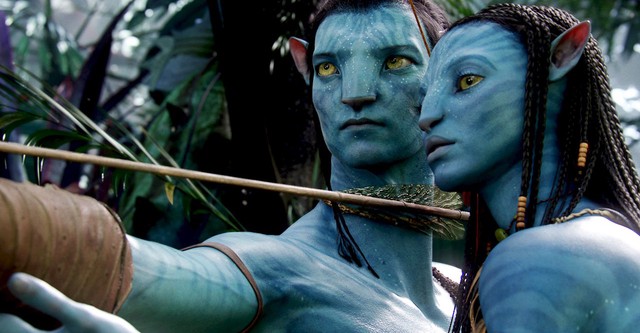
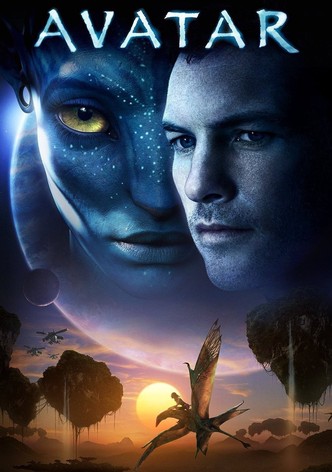
It’s important to note that the ‘00s was the first decade when CGI and digitally shot movies became the norm — with 2002’s Attack of the Clones being the first Hollywood movie to be shot entirely on the format. This also soon came to mean that, for the first time, filmmakers, at least the ones with enough budget, could bring their wildest imaginations to life on the big screen.
As the decade progressed, this meant audiences went from seeing a Balrog in The Fellowship of the Ring (2001) to a Dementor in Harry Potter and the Prisoner of Azkaban (2004) to a man with an octopus for a face in Pirates of the Carribean: Dead Man’s Chest (2006). Naturally, by the end of the decade, the ability to do anything had already started to lose its charm. That is until James Cameron arrived with Avatar, taking audiences to Pandora and smashing basically every box-office record in existence.






Bundle 4k


Another feature of the ‘00s was a resurgence of indie cinema and the Sundance Film Festival — with movies like Juno and Little Miss Sunshine once again reminding the studios of how profitable independent cinema could be.
On the more auteur-leaning side of all that, we had the onslaught of inventive filmmakers from the world of ‘90s music videos — such as Michel Gondry (Eternal Sunshine of the Spotless Mind), Spike Jonze (Being John Malkovich), and Johnathan Glazer (Birth), but no indie-coded movie of the ‘00s proved more influential to the next generation of online aesthetics than Sofia Coppola's Lost in Translation. If a guy ever corners you at a party to talk about Japan, some of the blame for that can go to Sofia.


The ‘00s were an interesting time for superhero movies. The MCU started in earnest with Iron Man in 2008, a movie that built on the foundations laid out by Sam Raimi’s Spider-Man movies and Bryan Singer’s X-Men movies in the early years of the decade, but no superhero movies captured the zeitgeist quite like Cristopher Nolan’s Batman trilogy.
Though written and shot before the 2008 financial crises, The Dark Knight — a Michael Mann heist movie dressed in matte black kevlar that boasted a chaos agent antagonist with no apparent interest in money — somehow seemed to have its finger on the pulse when it was released in the summer of that year. It was also a stone cold banger.







Perhaps the most significant shift in awards season movies at that time was the rise of Latin American filmmakers — notably the so-called Three Amigos of Alfonso Cuarón, Guillermo del Toro and Alejandro Gonzalo Inñáritu from Mexico. This trio approached cinema from totally different angles: Cuarón eventually became the old school Hollywood storyteller (Gravity); Del Toro’s tastes were drawn more from comic book movies (Hellboy) and fantasy (Pan’s Labyrinth); and Inñáritu was the solemn and gritty dramatist (Babel). But, they would all go on to dominate the Oscars in the 2010s, winning five of the ten Best Director awards in that period.
Of the 11 films the Amigos directed in the ‘00s, none spoke to the moment (and, more creepily, the mood of today) more than Cuarón’s Children of Men — a film that proved to be, both aesthetically (shoutout to Emmanuel Lubezki) and thematically, perhaps the most influential of that decade.




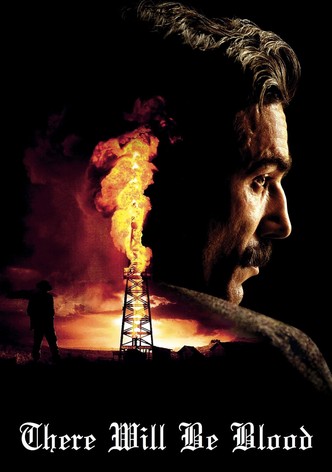
Outside of movies like Team America and The Hurt Locker, some of the most prominent movies about the Iraq war (like Jarhead) focused on the oil. Paul Thomas Anderson’s 2007 masterpiece There Will Be Blood takes place at the beginning of the previous century, but the central character’s self-destructive obsession with the black stuff ended up feeling incredibly resonant for the era.
The movie lost out on the Oscar for Best Picture to No Country for Old Men, another neo-Western American classic, but Anderson’s film was just as good, if not better, and arguably featured the performance of the decade from Daniel Day-Lewis.




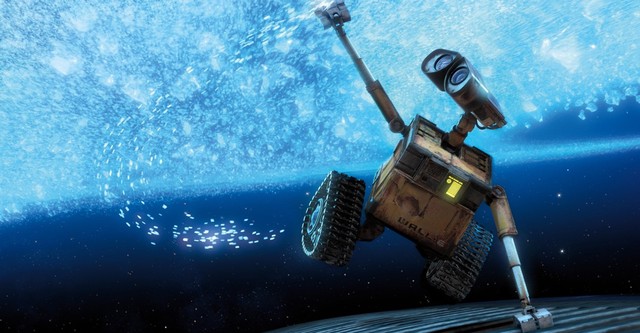
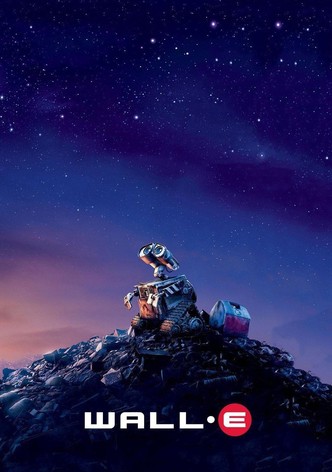
We never appreciate how good we have it with certain things until they’re gone. Cinema-wise, this is as true for late 2010s MCU and ‘90s action as it is for the ‘00s output of Pixar animated flicks. In that decade alone, Pixar seemed to simply print out instant classics: Monsters, Inc., Finding Nemo, The Incredibles, Ratatouille, Up and Toy Story 3 — plus, I guess, Cars.
If I had to pick one from that period, however, it would have to be 2008’s WALL-E — a story about a charismatic clean-up robot who likes musicals, falls in love with an iPod, and kind of saves humanity.
Bundle 4k

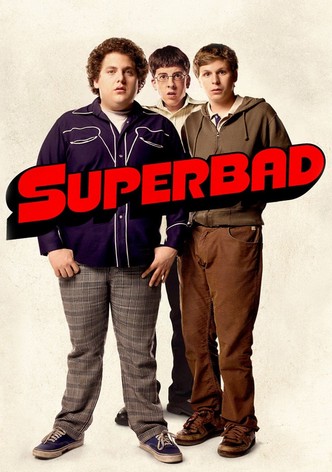
Even without counting political satires and spoofs (like Scary Movie), the ‘00s were probably the last great decade for studio comedies — beginning with the frat pack era of Will Ferrell and Ben Stiller (Anchorman, Zoolander, Step Brothers) and eventually softening into the lovable dorks of the Judd Apatow universe (40 Year Old Virgin, Knocked Up).
The one movie from all of them that I’ve watched the most, Superbad, doesn’t even seem to take place in the present day — more a blend of the ‘00s and the ‘80s and ‘70s vibes of the likes of Freaks and Geeks and Dazed and Confused — but it felt exactly right for the moment. It also helped to launch the careers of Michael Cera, Jonah Hill and two-time Academy Award winner (and counting) Emma Stone.


I would have loved to include more international movies on this list, but looking back on the most influential titles does have a way of leading you towards the biggest hitters. This was, of course, the decade of Oldboy (a movie responsible for changing fight scenes and relaunching Korean cinema on the world stage), The Lives of Others (the best German film post-reunification), Spirited Away (a work that injected Japanese animation into the mainstream) and ageless classics like The Piano Teacher, Holy Motors, and In the Mood for Love.
The one that feels the most ‘00s-coded to me, however, was Cristian Mungiu’s 4 Months, 3 Weeks and 2 Days — the Palme d’Or-winning crowning achievement of the Romanian New Wave and a film that approached the often precious world of social realism with gallows humour and a biting, satirical edge. Mungiu returned to Cannes this year with his new film, Fjord — starring Sebastian Stan and Renate Reinsve – and repeated the trick once again.


