Is 'The Uprising' A Robin Hood Moive? The Final Scene, Explained

The Uprising (2026) is arguably Paul Greengrass’ most epic film to date, a historical drama that’s a far cry from his work on movies like The Bourne Identity (2002) or Captain Phillips (2013). The film is a dramatization of the Peasants’ Rebellion, a 14th-century movement in England where the greater populace marched on London in defense of their rights. The story is a major event in English history that feels underserved in pop culture, making it ideal subject matter for a film.
Greengrass also uses the opening to make his own take on Robin Hood, one of modern folklore’s most iconic figures. Instead of pulling from the commonly accepted lore of the archetype, though, Greengrass goes for a more tragic and grounded take. Brought to life by Andrew Garfield, Greengrass’ version of Robin Hood doesn’t really crystallize until the end of The Uprising, as the final stage of the Ploughman’s tragic transformation.
How 'The Uprising' Gives Andrew Garfield His Robin Hood Moment

The Uprising doesn’t initially set itself up as a Robin Hood movie. However, the film’s quietly emotional, brutal, and slickly produced finale makes Andrew Garfield’s Ploughman a clever inspiration for the archetype. The trick to the character’s evolution is that, in many ways, it’s a tragic fate for the character. Left reeling from grief after losing his family, Ploughman’s righteous fury at the tax collectors and soldiers who harass him and his neighbors prompts him to fight back. Despite his early outburst helping spark the Peasants’ Rebellion, Ploughman proves to be the most restrained of the revolt’s leadership. He shows sympathy for the lord and ladies they capture, argues for peaceful resolutions, and wants nothing more than to see peace restored to the land.
However, after the revolt’s rampage tests his faith in his fellow men through London, Ploughman’s empathy is fully broken when King Richard II betrays his promise to the public and enacts a trap that slaughters most of the rebellion’s leadership. In the aftermath, Ploughman becomes a hooded figure on the roads of the nearby forests, leading the other survivors in robberies and attacks on the wealthy.
Garfield’s Robin Hood is a more grounded figure, akin to a brutal Batman than a showy fighter. He hides his face, carries out lethal attacks, and has a clear distaste for the powerful who use the advantage of their circumstances to control the lives of others. While the character is never formally referred to as Robin Hood, the design and attitude of the character are spot on with that archetype. In the process, though, the kindly Ploughman is gone, replaced by a vengeful and spiteful specter of justice.
How Garfield's Ploughman Compares to Other Cinematic Robin Hoods

Robin Hood is one of those characters that has been brought to cinema countless times over the years, stretching all the way back to the days of Errol Flynn in The Adventures of Robin Hood (1938). Many incarnations of the concept take cues from that version of the character, leaning into his charm, wit, and noble intentions. Disney’s Robin Hood (1973), Robin Hood: Prince of Thieves (1991), and Robin Hood: Men in Tights (1993) all find their own balance of those tropes, presenting the character as a stark hero compared to a more villainous world.
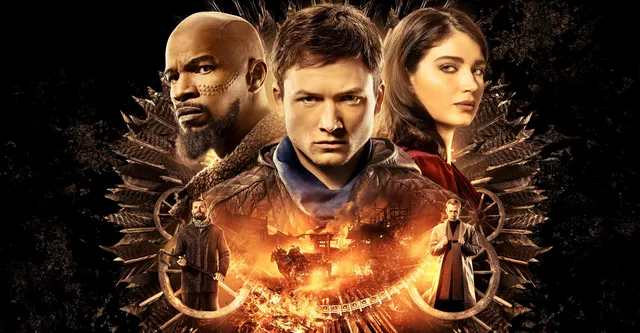
There are other, more complex takes on the character, as seen in films like Robin and Marian (1976) and The Death of Robin Hood (2026), which mine the concept for peak dramatic effect. The trick to The Uprising is that Ploughman feels like a mix of the two. While he’s certainly got the imposing cool factor that versions like Robin Hood (2018) were aiming for, there’s a genuine sense of tragedy to this take. Ploughman was a rare noble soul in a film full of complex motivations and greedy lords. While he remains noble in his own way, his mercy and empathy have burned out of him and been buried with his family. He never had a name, but now he has a title.
Why I Need a Sequel to 'The Uprising'

While I understand why The Uprising saves the Robin Hood reveal for the very end, it makes me hope that there’s a world where the film performs amazingly at the box office and is able to justify a sequel. The idea of a grounded Robin Hood story that strips away the pomp and circumstance of other versions is compelling. Despite efforts to do that, like with Ridley Scott’s Robin Hood (2010), there’s never been a cinematic version of the character that fully escapes the popular lore of the folk hero.
Ploughman offers such an opportunity, while also playing with the themes explored in those other films about how a single man can become a symbol. It also presents an opportunity to explore how revolutionary figures can be co-opted by the systems they fight. Robin Hood being reimagined as an exiled nobleman could be a plan of the villains in a sequel, blunting the anti-monarchist leanings of Ploughman. It’d also just be cool to see more of Garfield’s take on the character, untethered by morality and committed to paying the crown back for every drop of innocent blood it has spilled. The Uprising’s Robin Hood ending is cool, but it could lay the groundwork for an even better sequel.