Where Should You Start With The Marvel Movies? 5 Viewing Paths, Explained

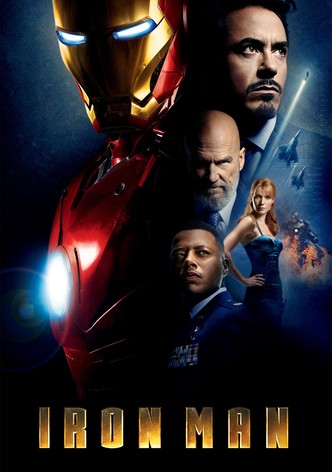
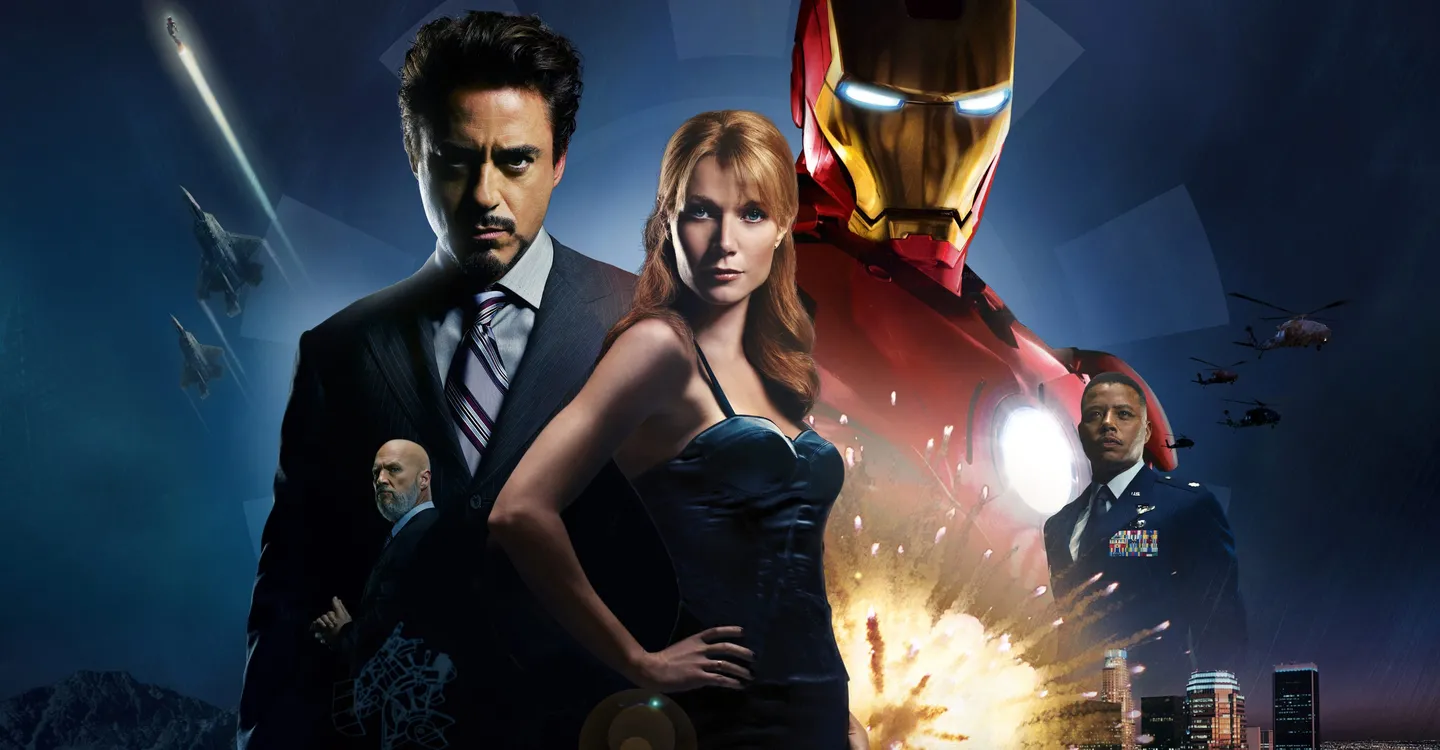
Streaming has made watching movies easier than ever, but it has also introduced a new kind of viewer anxiety: the fear of being impossibly behind. Every major franchise now feels like it comes with homework. And the Marvel Cinematic Universe is the perfect example of that problem. When Iron Man arrived in theaters in 2008, the MCU didn't feel like a cultural obligation.
It was simply a clever superhero movie with a charismatic lead and a now-famous post-credits scene hinting that a larger world might be forming. Nearly two decades later, that larger world has expanded into more than 35 films and multiple series (which can all be found on Disney+). For longtime fans, that scale is part of the appeal.
The MCU has become one of the most ambitious shared storytelling experiments in modern blockbuster filmmaking. But for newcomers or viewers who dropped off somewhere after Avengers: Endgame in 2019, catching up can feel daunting. Do you start at the beginning? Do you skip ahead to the post-Endgame era of films? Do you actually need to watch everything?
The answer, reassuringly, is no. One of the benefits of Marvel's sprawling storytelling is that there are multiple ways into it, depending on how much time you have and what kind of superhero story you're in the mood for. Whether you're revisiting the franchise or starting it for the first time, these five viewing paths offer different ways to experience the MCU.
Release Order
If you want the version of the MCU that audiences originally experienced, release order remains the most obvious place to start. This approach begins with Iron Man and moves through the films exactly as they appeared in theaters, gradually introducing new heroes before bringing them together in larger crossover stories like 2012's The Avengers. There's a reason fans still recommend this route.
Marvel built its early storytelling around anticipation. Characters are introduced slowly, plotlines build across multiple films, and post-credits scenes tease the next chapter. Watching the movies this way allows the universe to expand organically until it reaches the massive payoff in 2018's Avengers: Infinity War and Endgame.
Iron Man (2008)
The Incredible Hulk (2008)
Iron Man 2 (2010)
Thor (2011)
The Avengers (2012)
Iron Man 3 (2013)
Thor: The Dark World (2013)
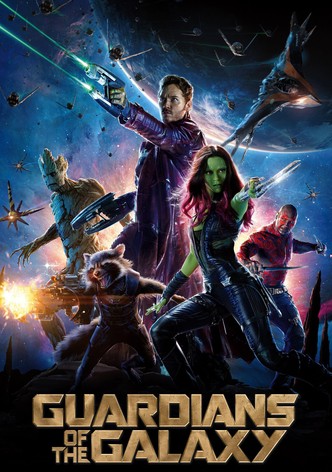
Guardians of the Galaxy (2014)
Avengers: Age of Ultron (2015)
Ant-Man (2015)
Captain America: Civil War (2016)
Doctor Strange (2016)
Spider-Man: Homecoming (2017)
Thor: Ragnarok (2017)
Black Panther (2018)
Avengers: Infinity War (2018)
Ant-Man and the Wasp (2018)
Captain Marvel (2019)
Avengers: Endgame (2019)
Spider-Man: Far From Home (2019)
Black Widow (2021)
Eternals (2021)
Spider-Man: No Way Home (2021)
Thor: Love and Thunder (2022)
The Marvels (2023)
Deadpool & Wolverine (2024)
Thunderbolts* (2025)
Chronological Order
Of course, not everyone enjoys jumping between timelines depending on when movies were released. For viewers who prefer a story that plays out in a more traditional historical sequence, the chronological approach offers a different kind of satisfaction. This viewing order begins in the 1940s with Captain America: The First Avenger (2011) before moving forward to the 1990s events of Captain Marvel (2019).
Technically, it's just a simple rearrangement of the same films. But it subtly changes the way the MCU feels. The universe begins to resemble a sweeping historical narrative, where the origins of characters like Nick Fury and organizations like S.H.I.E.L.D. unfold across decades. For viewers who enjoy seeing how every event connects to the next, chronological viewing can make the MCU feel more cohesive.
Captain America: The First Avenger (2011)
Captain Marvel (2019)
Iron Man (2008)
Iron Man 2 (2010)
The Incredible Hulk (2008)
Thor (2011)
The Avengers (2012)
Iron Man 3 (2013)
Thor: The Dark World (2013)
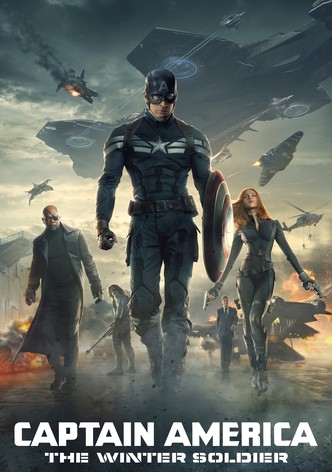
Captain America: The Winter Soldier (2014)
Guardians of the Galaxy (2014)
Guardians of the Galaxy Vol. 2 (2017)
Avengers: Age of Ultron (2015)
Ant-Man (2015)
Captain America: Civil War (2016)
Black Widow (2021)
Black Panther (2018)
Spider-Man: Homecoming (2017)
Doctor Strange (2016)
Thor: Ragnarok (2017)
Ant-Man and the Wasp (2018)
Avengers: Infinity War (2018)
Avengers: Endgame (2019)
Spider-Man: Far From Home (2019)
Shang-Chi and the Legend of the Ten Rings (2021)
Eternals (2021)
Spider-Man: No Way Home (2021)
Doctor Strange in the Multiverse of Madness (2022)
Thor: Love and Thunder (2022)
Black Panther: Wakanda Forever (2022)
Ant-Man and the Wasp: Quantumania (2023)
Guardians of the Galaxy Vol. 3 (2023)
The Marvels (2023)
Deadpool & Wolverine (2024)
Captain America: Brave New World (2025)
Thunderbolts* (2025)
The Fantastic Four: First Steps (2025)
The MCU's Greatest Hits
Then, there are viewers who simply want the highlights. With so many films that are now part of the MCU, watching everything isn't always realistic. Fortunately, the franchise's central storyline can still be understood through a much smaller group of key movies. And the greatest hits approach focuses on the movies that drive the Infinity Stones narrative and the rise of Thanos.
It's made up of the foundational origin stories of Iron Man and Thor, along with the massive turning points seen in Captain America: The Winter Soldier (2016) and Thor: Ragnarok (2017). It also includes the franchise's defining finales in Infinity War and Endgame. Instead of watching every side adventure, viewers move quickly through the films that shape the MCU's core narrative.
Iron Man (2008)
Thor (2011)
The Avengers (2012)
Captain America: The Winter Soldier (2014)
Guardians of the Galaxy (2014)
Avengers: Age of Ultron (2015)
Captain America: Civil War (2016)
Thor: Ragnarok (2017)
Avengers: Infinity War (2018)
Avengers: Endgame (2019)
Spider-Man: No Way Home (2021)
Doctor Strange in the Multiverse of Madness (2022)
Ant-Man and the Wasp: Quantumania (2023)
The Fantastic Four: First Steps (2025)
Character-Focused Order
Another fun way to dive into the MCU is to forget that it was designed as a single epic and treat it like a bunch of character stories. Viewers can focus on one hero's arc at a time (like Tony Stark, whose story begins with Iron Man and gradually plays out across multiple Avengers films) instead of following the entire universe at once.
There's also Steve Rogers, whose story is told through the Captain America trilogy, which goes from a wartime origin story to intense political thriller. Watching the films this way places the characters at the center of the much larger overarching story. For viewers who prefer character-driven storytelling over interconnected mythology, this approach makes things far more manageable.
Tony Stark's Story
Iron Man (2008)
Iron Man 2 (2010)
The Avengers (2012)
Iron Man 3 (2013)
Avengers: Age of Ultron (2015)
Captain America: Civil War (2016)
Avengers: Infinity War (2018)
Avengers: Endgame (2019)
Thor's Story
Thor (2011)
The Avengers (2012)
Thor: The Dark World (2013)
Avengers: Age of Ultron (2015)
Thor: Ragnarok (2017)
Avengers: Infinity War (2018)
Avengers: Endgame (2019)
Thor: Love and Thunder (2022)
Captain America's Story
Captain America: The First Avenger (2011)
The Avengers (2012)
Captain America: The Winter Soldier (2014)
Avengers: Age of Ultron (2015)
Captain America: Civil War (2016)
Avengers: Infinity War (2018)
Avengers: Endgame (2019)
Captain America: Brave New World (2025)
Skipping Over The Older Stuff
Finally, there's an option for viewers who simply want to jump into the MCU as it exists today. Instead of revisiting the entire history of the franchise, viewers can skip over all the old stuff and begin in the post-Endgame era, where Marvel is introducing new heroes and expanding its multiverse storytelling. For newer audiences (and fans who want a recap before 2026's Avengers: Doomsday), this is an excellent option.
Starting with 2021 films like Shang-Chi and the Legend of the Ten Rings or Spider-Man: No Way Home, allows viewers to engage with the current phase of Marvel storytelling without needing a decade of backstory first. The tone of this era is also noticeably different. The stories are more experimental as the MCU explores stranger narrative territory.
Black Widow (2021)
Shang-Chi and the Legend of the Ten Rings (2021)
Eternals (2021)
Spider-Man: No Way Home (2021)
Doctor Strange in the Multiverse of Madness (2022)
Thor: Love and Thunder (2022)
Black Panther: Wakanda Forever (2022)
Ant-Man and the Wasp: Quantumania (2023)
Guardians of the Galaxy Vol. 3 (2023)
The Marvels (2023)
Deadpool & Wolverine (2024)
Captain America: Brave New World (2025)
Thunderbolts* (2025)
The Fantastic Four: First Steps (2025)