Are The Power Rangers Murderers? 5 Dark Secrets Only The Realest Fans Know

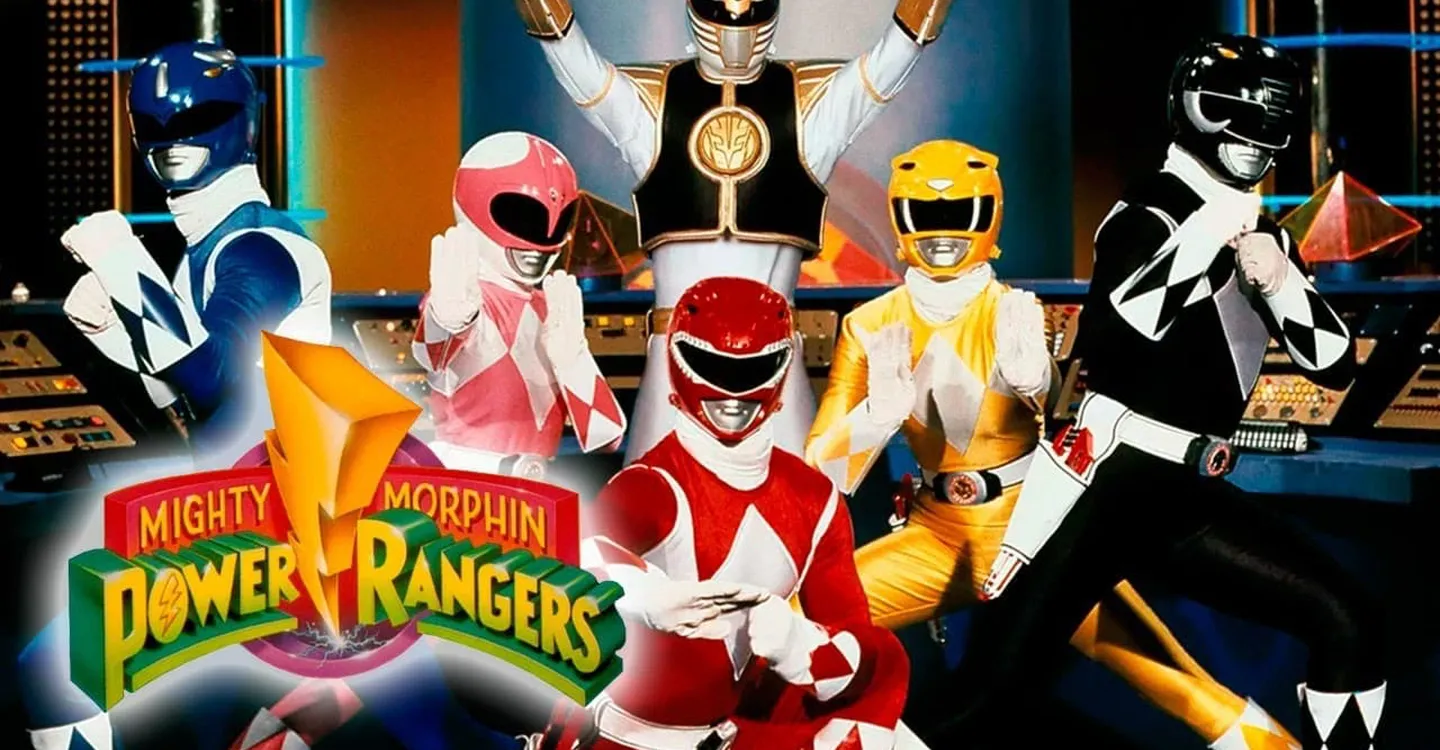
When Mighty Morphin Power Rangers debuted in 1993, it hit television like a glitter bomb detonated in a karate dojo. Bright suits. Giant robots. Teens with attitude. If you were a kid, it felt like a neon-colored promise that good always triumphs and you could absolutely save the world before homeroom. But the thing about nostalgia is it has a habit of sanding down the jagged edges. And once you revisit the franchise as an adult, those jagged edges start poking through the rainbow veneer.
Part of that is structural. Power Rangers, which you can watch now on streamers like Netflix, Hulu, and HBO Max, is stitched together from Super Sentai footage originally aimed at slightly older Japanese audiences, meaning moral shortcuts sneak in like uninvited Zords. The second part of it is narrative. While the show's universe insists the story is about responsibility and heroism, its rules operate on a level of ambiguity that only works when you're an eight-year-old hopped up on sugary cereal.
And the final part is cultural since we've become better at recognizing when heroes aren't being honest about the cost of heroism. So, although asking if the Power Rangers are murderers might sound dramatic, if you dig through the franchise's canon, the later seasons, and the fan discourse that's been aging like radioactive cheese, the question suddenly feels less hyperbolic and more overdue. And these five dark secrets will change how you see The Morphin' Grid forever.
The Power Rangers Are Basically Child Soldiers
In its beginning, Power Rangers framed Zordon as a sort of benevolent space dad. But his recruitment strategy is one PowerPoint presentation away from an UN ethics inquiry. This is someone who looks at Earth's population of adults, police officers, trained soldiers, scientists, literally anyone with a prefrontal cortex fully developed, and says, "No, I'll take the teens hanging out at the juice bar." And it's not selective because they're prodigies.
They're just available and extremely malleable due to their age. They don't ask the right questions, and Zordon uses that to his advantage. His first act after recruiting them is a speech that sounds vaguely inspirational until you notice that choice is the missing component. When the original five rangers hesitate at the thought of becoming warriors, he doesn't let them leave. Instead, Rita attacks, which traps them in the narrative Zordon needs.
Collateral Damage Is A Crisis No One Mentions
Power Rangers canon insists their battles take place in unused industrial zones. Unfortunately, if you've seen even one Zord fight, you know these so-called abandoned districts have skyscrapers, residential towers, commuter monorails, and suspiciously occupied parking lots. Even if people evacuate every time a monster appears, the infrastructure is badly damaged. And even if those buildings are empty, people are losing their homes or places of work at the very least.
But the show simply tiptoes around what happens after the monster dust settles. A running joke among fans is that Angel Grove must have the world's most overworked insurance sector or a rapidly reduced population that moves house every six months. But if you really think about it, the Power Rangers are heroes who operate in a system that never asks them to account for the consequences of their actions. Their battles save the world, but they routinely level pieces of it.
The Rangers Became Defenders Of A Fascistic Ethno-State
Released in 2001, Power Rangers Time Force presents the year 3000 as an orderly and technologically immaculate kind of future where everything is efficient and polished. The series calls it progress. But if you look closely, you realize it's less utopia, more sci-fi authoritarianism in pastel lighting. The giveaway comes early when we learn that the Time Force has eliminated all crime. It sounds impressive until you ask the obvious question, which is how?
Crime doesn't vanish because we wish it would. It's suppressed, redirected, or reclassified. And in Time Force, that reclassification is frightening. The only criminals left are mutants, a term the show uses with a kind of casual prejudice. The series' main bad guy, Ransik, and others like him aren't depicted as inherently barbaric since they're sentient, emotional, intelligent beings. But society has decided their genetics predestinate them for criminality, which is basically profiling.
Violence Is Baked Into The Franchise DNA
Even if you only watched the original series, you know Power Rangers has a strange relationship with violence, which, for the show, is sanitized in presentation and astonishingly brutal in implication. But once you explore later seasons, comics, and spin-offs, that sanitized layer peels off quickly. Power Rangers RPM (2009) is the perfect example since it's arguably the darkest season ever produced. The story is set in the only town that survived an AI takeover.
Human extinction is not a threat but a statistic. And the plot is so bizarrely off-brand it borders on surreal, like when the Red Ranger uses a baby stroller as a battering ram during combat with a baby inside. Meanwhile, the Boom! Studios comics dive into wars, coups, Ranger-on-Ranger conflict, and multiversal genocide. Rangers die. Planets fall. The Morphin Grid becomes less of a magical power source and more of a religious artifact people kill each other over.
Zordon Might Actually Be The Series' Biggest Villain
It sounds blasphemous until you examine the trajectory of modern Power Rangers storytelling. Bit by bit, Zordon shifted from untouchable mentor to morally complicated leader to outright antagonist in certain interpretations. And nowhere is that clearer than in the Boom! Studios comics. In Mighty Morphin Power Rangers #104, Alpha-One, who has joined Rita Repulsa, doesn't just accuse Zordon of making hard choices. The robot accuses him of perpetuating conflict for its own sake.
And the evidence is everywhere. Zordon's war with Rita has lasted for centuries. He has no retirement plan for Rangers, just replacement plans. He routinely values the grid's stability over individual well-being and treats Rangers as pieces in a game only he understands. It reframes him not as a villain in the "mwahaha" sense but as something more like a zealot so entrenched in his mission that he no longer sees the human cost. So if the Power Rangers are murderers, the blood is actually on Zordon's hands.