
Jamie Campbell Bower has been riveting audiences as Vecna, but he has a lot of great performances besides his villainous Stranger Things (2016) turn. The London-born actor may come from a musically inspired family (and has been the frontman of a band himself), but he's best known for his work as an actor across plenty of fantastical films and shows.
While plenty of his roles have highlighted his musical chops, some of his best performances have cast him as historical figures, young heartthrobs, and supernatural threats. If you've loved Jamie Campbell Bower’s performance as Henry Creel/Vecna, then make sure to check out these other movies and TV shows starring the actor on Netflix, HBO Max, and Pluto.
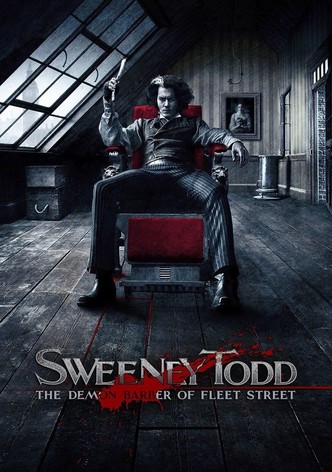
Sweeney Todd: The Demon Barber of Fleet Street (2007)
Bower’s cinematic debut was a big one, as he played an important minor role in Sweeney Todd: The Demon Barber of Fleet Street. The Tim Burton-directed adaptation of Stephen Sondheim’s classic has a stacked cast, with Johnny Depp, Helena Bonham Carter, and Alan Rickman headlining a deep bench of seasoned English performers. A young Bower plays Toby, the assistant to Todd’s rival and eventually the semi-adopted son of Mrs. Lovett.
Toby’s dark turns in the film’s third act tease the harsh edges and brutal touches that Bower can give to a performance. While this might be a bit too brutal a musical for people who only enjoy the bubbly aspects of the first Wicked (2024), this grimly hilarious and effortlessly catchy riff on a Broadway classic is one of Burton’s best films in the 21st century.
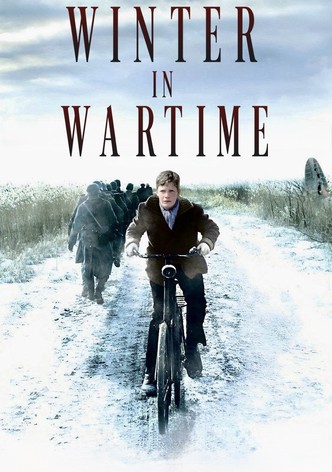
Winter in Wartime (2008)
A terrific World War II movie about the push and pull of loyalty and heroism, Winter in Wartime was a box-office smash in Denmark when it hit theaters. Bower stars as Jack, a British airman who is shot down over Nazi-occupied Denmark. The film follows a young boy who struggles to help Jack reach the Dutch resistance, with a trail of bodies left in their wake.
Bower imbues Jack with a likable edge without lionizing the character, which crucially keeps the performance from becoming untethered from reality. Jack falls in love, fights Nazis, and even gets engaged in a tense horseback chase to escape the Germans. A great film that highlights Bower as a leading man, Winter in Wartime makes for a solid pairing with other World War II movies of this period, like Defiance (2008) and Valkyrie (2008).
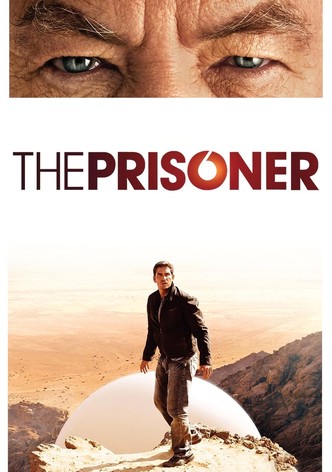
The Prisoner (2009)
A modern remake of the classic sci-fi miniseries of the same name, The Prisoner was early proof of Bower’s talents in the sci-fi and fantasy genre. While the overall show can’t match the heights of The Prisoner (1967), the cast does its best to infuse the surrealist sci-fi with a 21st-century touch of self-awareness.
Bower plays Number 11-12, the son of the enigmatic 2 and one of the moral lynchpins of the entire narrative. Bower’s character proves an ideal jumping off point for the miniseries’s exploration of identity and reality, infusing the surrealist touches with an introspection on sexuality and youthful defiance that works for the show’s themes. An intriguing precursor to Bower’s performance in Stranger Things, The Prisoner is more interesting than good, but it’s worth checking out just for Bower’s performance opposite Ian McKellen as 2 alone.
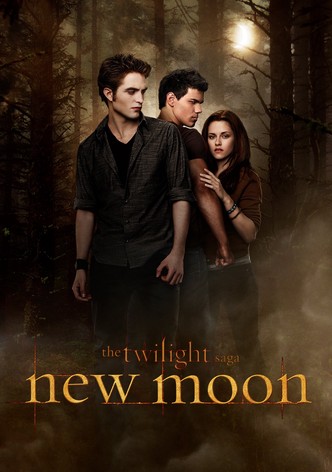
The Twilight Saga: New Moon (2009)
Arguably, one of the roles that really put Bower on the map as a Hollywood actor was his performance as Caius in Stephenie Meyer’s adaptations, beginning with The Twilight Saga: New Moon. Caius is a fairly minor figure in the overarching narrative of this film, appearing as one of the vampire elders who controls the secretive supernatural government directing the creatures behind the scenes.
Caius becomes more important as the series progresses, gradually turning into one of the chief antagonists of the Cullen family for their flaunting of vampire law in sequels like The Twilight Saga: Breaking Dawn - Part 1 (2011). Similar to his later appearance as a young Grindelwald in Harry Potter and the Deathly Hallows: Part 1 (2010), these films might not afford Bower’s the most room for a fully fleshed out performance, but they do speak to his ability to infuse a character with an innate sense of malice, a talent that would serve him well years later as Henry Creel in Stranger Things.
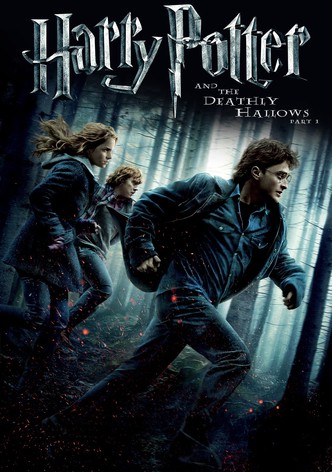
Harry Potter and the Deathly Hallows: Part 1 (2010)
One of Bower’s most well-known performances is the actor’s turn as the young Grindelwald in Harry Potter and the Deathly Hallows: Part 1. Flashbacks reveal that Grindelwald is a powerful and dark wizard whom a young Dumbledore fell in love with. The flashbacks to Dumbledore’s youth establish the powerful Grindelwald as a surprising romantic interest for Dumbledore, with a certain unsettling appeal at the core of the character’s longing looks.
Bower is able to do a lot with only a little in the role, which would be expanded upon in Fantastic Beasts: The Crimes of Grindelwald (2018) before becoming the central antagonist in that subsequent series. Still, Bower lays the groundwork for one of the prequel series to thrive.
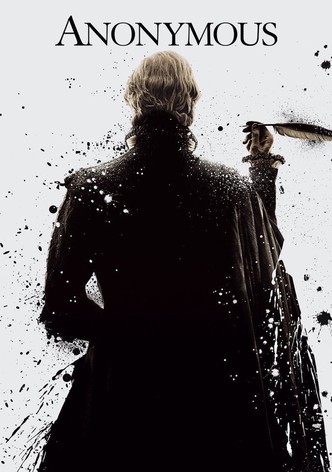
Anonymous (2011)
The first of Bower’s historical stories focused on Shakespeare, Anonymous is a wild historical drama that plays fast and loose with fact to weave together a conspiracy thriller in Elizabethan England. The film stars Bower as the young version of Edward de Vere, whose affair with the queen and secret role as the eventual true author of Shakespeare’s plays find him entangled in a series of chaotic struggles.
While the film itself can get wrapped up in the worthy and historical revisions, the performances are universally strong, especially Bower’s surprisingly earnest performance, which gives the central romantic drama (and subsequent horrifying turn that comes with one of the big revelations in the film’s second half) an emotional core that is crucial to the narrative. Overall, the film is a bit of a mess, but Bower is as good as ever in a brief but memorable turn.
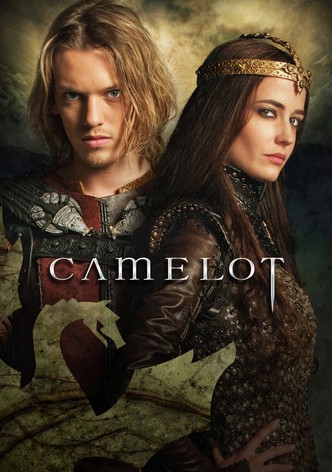
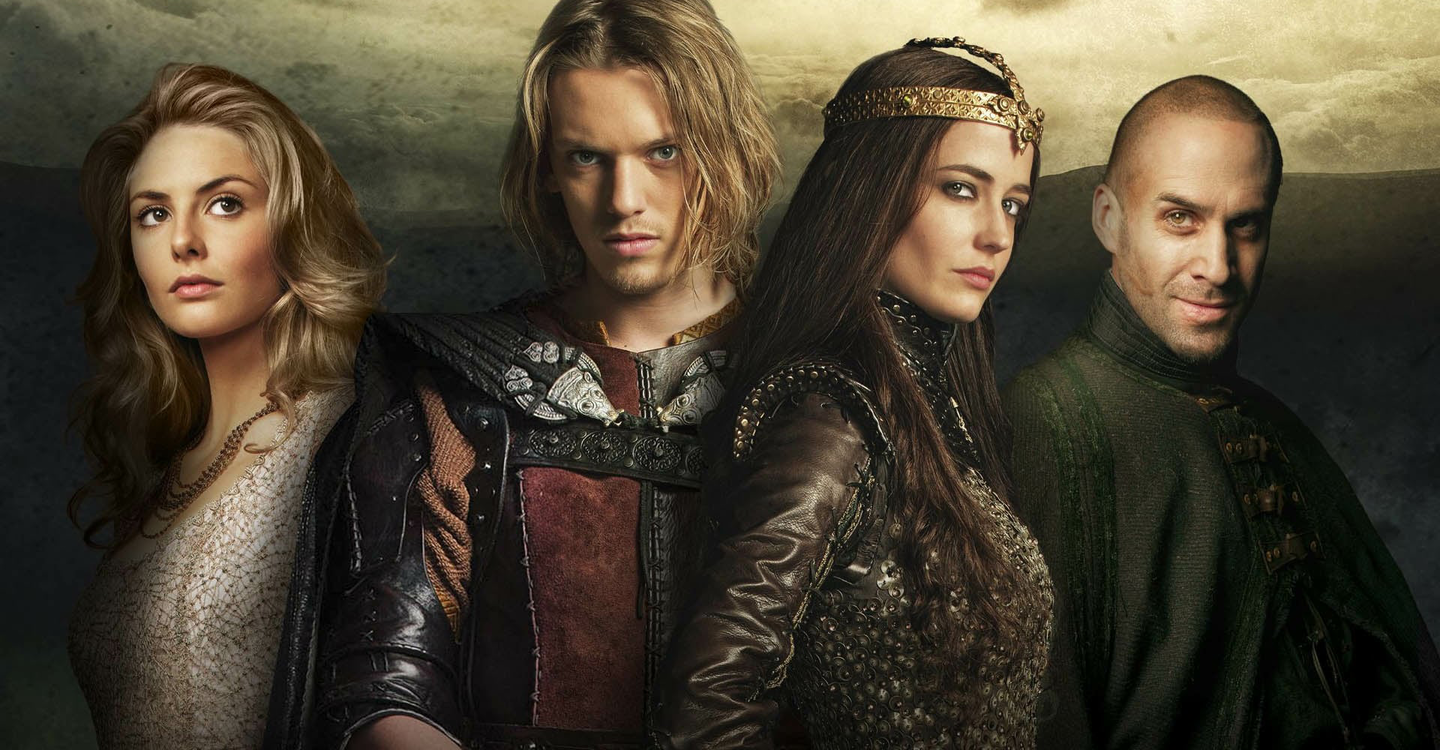
Camelot (2011)
A well-staged and impressive riff on Arthurian legend, Camelot is a great miniseries that casts Bower as a young King Arthur. Bower plays the legendary figure, torn between his humble beginnings as a commoner and his noble nature as heir to the throne. Filmed with a more dramatic flair than contemporary versions of the myth seen in shows like Merlin (2008), Camelot succeeds largely because the cast is able to keep the human drama grounded amid the more fantastical elements of the saga and soap opera-y twists and turns.
Something of a peer to the first season of Game of Thrones (2011), Camelot might not be the most compelling adaptation of the Arthurian mythology, but the strength of the performances is enough to keep the audience drawn in to the fantasy action and morally complex riffs on legendary figures like Merlin, especially when actors like Bower get to play with the archetypes in some compelling ways.
The Mortal Instruments: City of Bones (2013)
Perhaps Bower’s most well-known leading turn, The Mortal Instruments: City of Bones places the actor front and center as a fantasy hero and heartthrob. Based on the book series of the same name, Mortal Instruments stars Bower as Jace, one of the Seraphim who fight demons across modern society and are hidden from the sight of most mortals. Bower gets his own chance to be the mysterious romantic hero of a fantasy story and acquaints himself well with the role.
It’s a shame that the film—coming out amid a flurry of YA adventure movies like The Maze Runner (2014) and Percy Jackson & the Olympians: The Lightning Thief (2010)—was panned upon release for its bland story and cliche elements. Still, Mortal Instruments at least serves as proof of Bower’s star power, something that still hasn’t been quite realized by other movies yet.
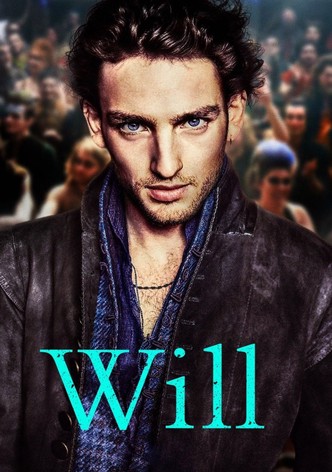
Will (2017)
A dramatic retelling of Shakespeare’s partner’s career in London, Will gives Bower a meaty role as fellow scribe, Christopher Marlowe. Closer to Shakespeare in Love (1998) than Hamnet (2025), Will nominally focuses on a young William Shakespeare as he becomes a rising star in London, charting the romantic drama he becomes entangled in along the way.
Bower plays a key supporting role as Christopher Marlowe, whose friendship and patronage toward Will don’t spare him from his own grief and creative ambition. A late episode of the one-season show, largely focused on Marlowe’s “deal with the Devil” that goes into the inspiration for Doctor Faustus. Bower finds a lot of layers to the character, imbuing Marlowe with tragic romanticism to contrast his ambition and charm, which makes him especially compelling. Perfect for fans of interpersonal period dramas like The Tudors (2007), there’s a lot to like about Will that can be laid at the feet of the cast.
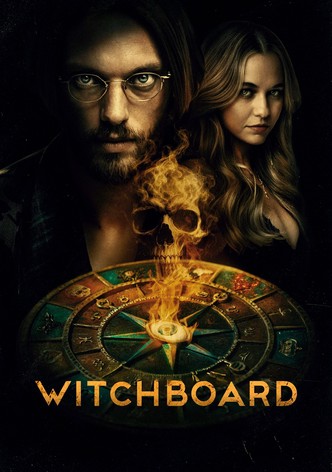
Witchboard (2025)
A horror film with a spiritual side and a spotlight on the legacy of terror, Witchboard is a solid scary turn from Bower. Focusing on a mysterious supernatural board that connects a modern woman with a monstrous witch from centuries ago, Bower appears as an expert on the supernatural with dark secrets of his own.
Perfect for viewers who loved horror movies like Ouija: Origin of Evil (2016) and Paranormal Activity (2007) that pushed the boundaries of the real world and the supernatural space, Witchboard is also a great example of Bower’s skills at imbuing seemingly benign figures with a darker edge that can translate into pure terror. While the film benefits from a retro tone and some solid scares, it’s the possessive nature of Bower’s Alexander Babtiste that makes for the best turns and speaks to the darker qualities that the actor has always been able to infuse in his more villainous roles, like Vecna in Stranger Things.