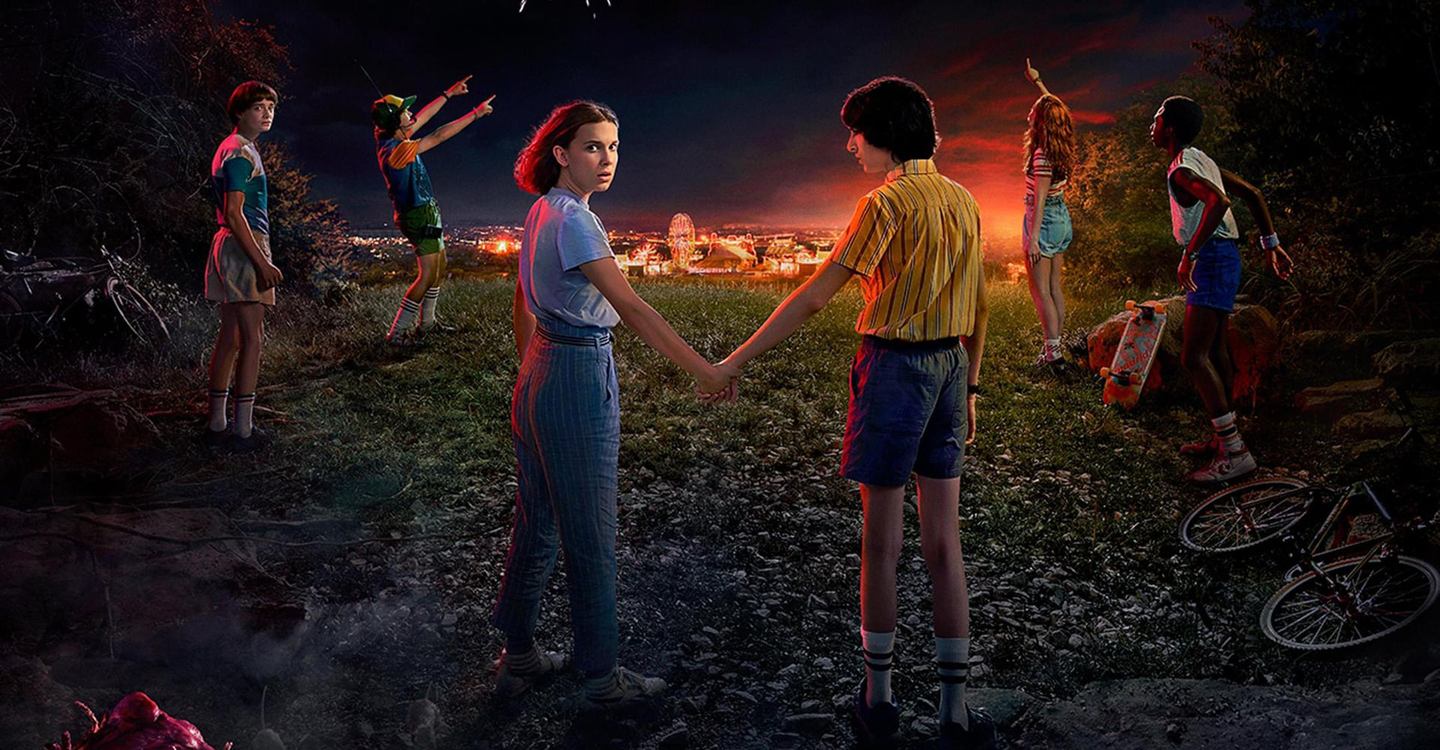

Stranger Things (2016) has been a boon for adventure, horror, and sci-fi fans alike, with the Netflix show’s various dimensional hops taking viewers from mundane Indiana to the horrors of the Upside Down. As the series has progressed, more and more layers of reality have turned into a battlefield for Eleven and Vecna.
This isn’t the first show or movie to use reality-bending parallel dimensions as a plot point. Going back decades now, franchises like Doctor Who (1963) and Star Trek (1966) have had a lot of fun with the concept of alternate realities and parallel dimensions. The best use the idea to explore deeper thematic questions or moral quandaries, pondering the ambiguity of the universe while hopping between realities, although sometimes, it’s just a good excuse to get giant robots fighting monsters. Here are the best parallel universes in movies and shows you can watch on Apple TV, Hulu, and more.
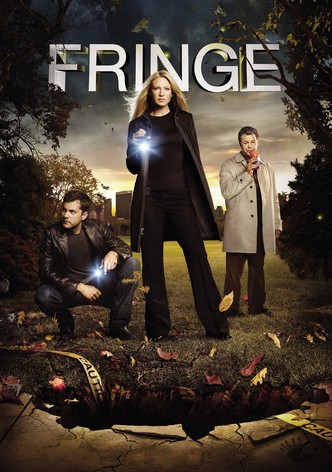
Fringe (2008-2013) - The Other Side
Similar to Stranger Things’ focus on interdimensional conflict, Fringe is a great showcase for the storytelling potential of parallel universes. The series starts out as a fun super-science procedural but quickly develops a morally complex overarching plot focusing on alternate realities coming into contact—and then conflict—with one another.
The other reality is tweaked just enough to seem strange and familiar enough to almost feel sinister. While it’s not as much of a stark divide as the Upside Down is from Hawkins visually, the dimension-hopping qualities of the show are just as important. Not necessarily for audiences who prefer their sci-fi simplified, but definitely a must-watch for Star Trek fans, Fringe is a great show about parallel realities to follow up Stranger Things with.
Back to the Future (1985) - The 1950s
A pop culture touchstone forty years after its release, the time-hopping teen comedy Back to the Future showcases how the past can serve a similar story purpose to the Upside Down in Stranger Things. Focused on a teenager who ends up flung into the past of his small town and inadvertently threatens his own existence, Back to the Future uses the parallels between the time periods and the differences alike to tell a rewarding, unapologetically goofy adventure.
Alongside other ‘80s sci-fi icons like Bill & Ted’s Excellent Adventure (1989) and Ghostbusters (1984), Back to the Future has a clear influence on Stranger Things’ nostalgic aesthetic, to the point where the Netflix series even included a directed shout-out to the film in the first half of Season 5. If you want to understand the spirit of Stranger Things, this is the right film to watch.
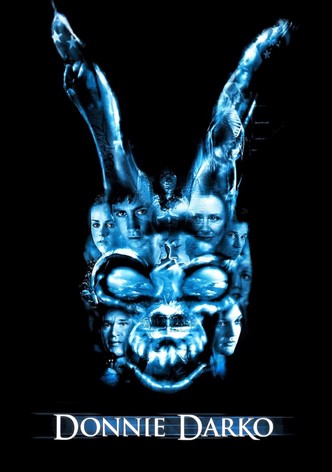
Donnie Darko (2001) - Tangent Universe
A grim cult classic from the start of the 2000s, Donnie Darko’s strange space between reality uses the same trippy touches of other dimensional stories. Donnie Darko focuses on a high school student who survives a freak accident. However, as his suburban life continues on, the lines between dimensions start to give way.
A masterful piece of atmospheric scares filled with unsettling characters like Frank the Rabbit, Donnie Darko is a moody mind-twister about breaches in the lines between time and space. The result is a trippy film that will appeal to fans of other complex sci-fi riffs on time travel, like Looper (2012) and Source Code (2011), but it might be a little unsettling and dark for fans of Stranger Things’ young adventure tone.
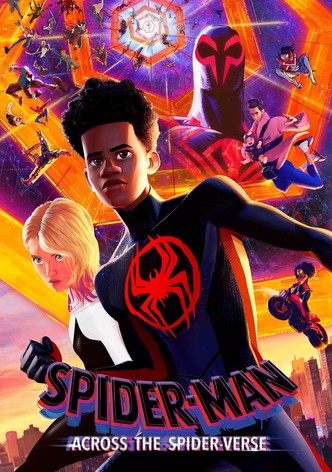
Spider-Man: Across the Spider-Verse (2023) - The Spider-Society
Arguably the best example of a superhero multiverse in film, Spider-Man: Across the Spider-Verse showcases the vast potential that the story mechanic possesses. The sequel to Spider-Man: Into the Spider-Verse (2018), the new film follows Miles Morales as he ventures across dimensions and learns a terrible secret about the dimensional nature of superheroes.
Quietly self-reflected on the medium in a way other self-aware superheroes like Deadpool (2016) and She-Hulk: Attorney at Law (2022) play with, Across the Spider-Verse touches that deeper thematic exploration in vibrant worlds that reimagine New York City as New Delhi, introduces dinosaur wall-crawlers, and delivers truly phenomenal animation. A sequel to one of the best superhero films ever made, Across the Spider-Verse is a great showcase of all the different types of parallel universes that can fill up the big screen.
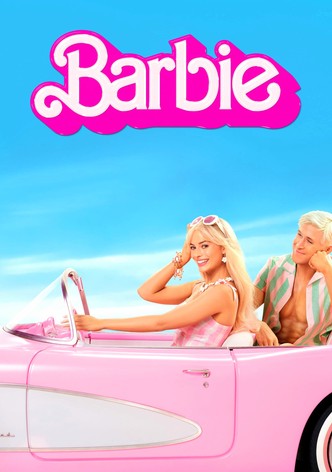
Barbie (2023) - Barbie Land
Barbie has a fascinating exploration of parallel universes, with the influence of one on the other serving as a more cerebral approach to the concept. In Barbie, the make-believe space that exists is where the personification of childish wonder suddenly has an existential crisis. Barbie has multiple characters that venture between the shared imagination and the real world.
A well-acted and clever introduction to questions about societal responsibility, personal agency, and gender politics, Barbie makes the leap between two dimensions hilarious thanks to Margot Robbie and a perfectly deployed Ryan Gosling as Barbie and Ken, respectively. A brightly-colored, dimensional riff that was made with just as much care and craft in its worldbuilding as the dreamscapes of Christopher Nolan’s headiest films, Barbie is a good use of a parallel universe as a thematic tool to explore the film’s larger questions.
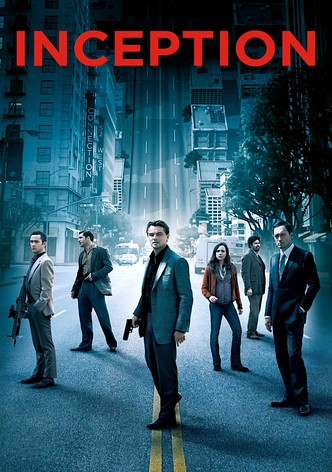
Inception (2010) - The Dream Layers
An exploration of the dreamscape that will feel familiar to anyone who has been watching Stranger Things and its use of battles in the mind, Inception is one of the most visually ambitious action films of the last 20 years. Focusing on a team of thieves who use special technology to break into the minds of their targets, Inception uses multiple layers of reality and dream dimensions within one another to create a larger world of almost infinite possibilities.
Similar to the Duffer Bros. show, Inception keeps everything grounded with a mix of emotionally gripping tragedy and fun side-characters (Steve Harrington has the same energy as Tom Hardy’s Eames, tell me I’m wrong) that makes it a charming watch even at its strangest. Inception might be a bit too heady for some viewers, especially those who didn’t care for Tenet (2020), but the fight scenes alone make this a must-watch.
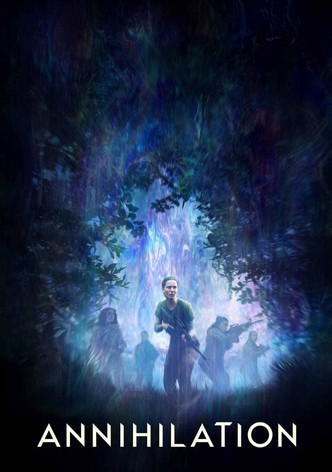
Annihilation (2018) - The Shimmer
One of Alex Garland’s most visually haunting films, Annihilation is for fans of Stranger Things who want to take the horror up a notch. The film centers around a team of scientists who investigate a mysterious breach in reality where monsters roam, and duplicates come into being. Strange, creepy, and, at times, absolutely horrifying thanks to terrific monster designs, Annihilation is a bit intense and heady, which can be confusing for audiences who are prone to tuning out the trickier sci-fi elements.
Garland, who also wrote and directed films like Ex Machina (2014), creates a memorably unsettling space for Natalie Portman’s Lena to explore. If you prefer Torchwood (2006) to Doctor Who (2005) and Fallout (2024) to Firefly (2002), then this is the atmospheric and haunting sci-fi film you’ve been needing to see.
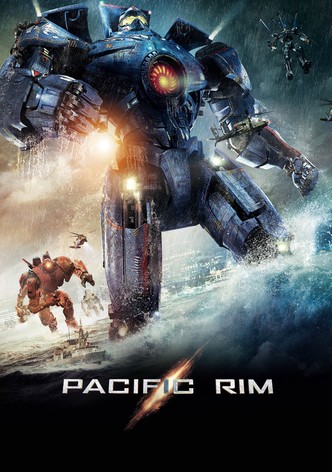
Pacific Rim (2013) - Precursor Rift
If you just want an excuse to watch big things punch each other, then the straightforward action tropes of Pacific Rim’s monster dimension are right up your alley. Set in a universe where kaiju-sized monsters have become a common occurrence, and the world has responded by building massive mech armors, Pacific Rim is Guillermo del Toro’s most conventional blockbuster, which is saying something.
While the other fantastical realms of Pan’s Labyrinth (2006) and Hellboy II: The Golden Army (2008) are terrific, the breakdown between a monstrous reality and humanity in Pacific Rim will be plenty familiar to fans of Stranger Things who like a good Demogorgon attack. Only, this time, humanity gets the chance to fight back with robofists. Bombastic, fun, and dumb in the best of ways, Pacific Rim is far from del Toro’s best film, but it may be one of his most fun.
Twin Peaks (1990-1991) - Multiple Universes
An understated inspiration for Stranger Things, Twin Peaks is one of the best examples of David Lynch’s reality-bending, genre-defining approach to dimensional-hopping. Moving through different tones at the same speed as it does different planes of existence, Twin Peaks starts as a murder mystery and unravels into a far more twisted and surreal experience.
Fans of classic sci-fi like The Prisoner (1967) will see the show as a successor to the purposeful ambiguity of the British classic, and Twin Peaks has gone on to play a part in inspiring everything from Lost (2004) and Riverdale (2017) to Gravity Falls (2012). Strange and surreal, so a likely skip for anyone looking for something more grounded, Twin Peaks is a true one-of-a- kind story.
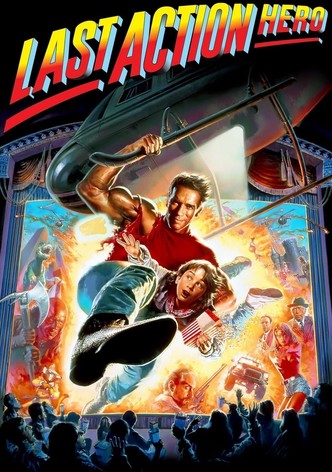
Last Action Hero (1993) - Jack Slater IV
Goofy and meta but with real heart, Last Action Hero is the ultimate fusion of Barbie’s fourth wall-touching satire with an entire fictional medium serving as an alternate universe. Last Action Hero starts off as a funny parody of Arnold Schwarzenegger’s archetypes that drags one of the actor’s action-movie characters into the real world. However, the film takes on a more melancholic element as it goes on, with Schwarzenegger’s Jack Slater going from surprisingly sad to extremely funny from scene to scene.
Meta-textual and self-reflective of the way art is its own alternate dimension to reality, Last Action Hero is a lot like Hot Fuzz (2007) and Blazing Saddles (1974) in that it’s referential even while telling its own story. Funny, unforgettable set pieces help elevate this dimension-hopping meta adventure.