
Jodie Foster has been a star for almost half a century, with a memorably dark starring role transforming the young actress into an enduring force of nature. Foster’s earlier roles as a child star in movies like the original Freaky Friday (1976) spoke to her potential, especially as she attracted the attention of filmmakers like Martin Scorsese and Alan Parker.
After attending Yale, Foster returned to the silver screen with a series of performances that highlighted her versatility. Whether surviving a serial killer, outwitting criminals, or witnessing the enormity of the dynamic, Foster has proven to be a one-of-a-kind talent. While the films she’s directed are also just as good (seriously, go check out Money Monster (2016) if you haven’t), these are the 10 best Jodie Foster movies and TV shows that you can watch right now on HBO Max, Netflix, and Tubi.
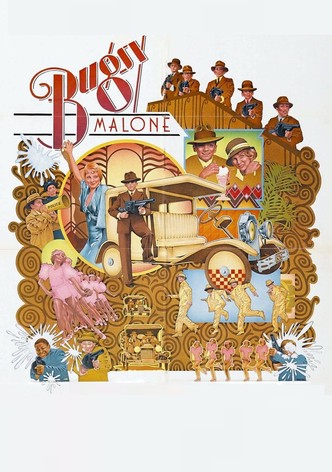
10. Bugsy Malone (1976)
As singular a movie as Jodie Foster is as a generational talent, Bugsy Malone is a bizarre love letter to gangster films and musicals that embraces a silly tone to the ultimate degree. A riff on films like Guys and Dolls (1955), Bugsy Malone is a send-up of gangster movies that recast all the typical violence and sex with child actors shooting each other with whipped cream foam.
A young Foster is having a blast in the film, portraying the typical femme fatale role with the proper amount of manipulativeness to match the enthusiastic tone. A spiritual predecessor to films like Son of Rambow (2007) and brought to life with giddy enthusiasm, Bugsy Malone is one of the most charming films Foster has ever starred in, but it’s an early one, which is why it ranks in the lowest spot.
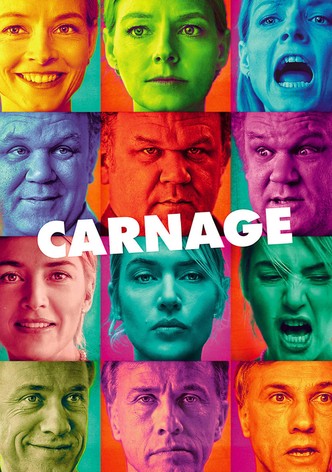
9. Carnage (2011)
Playing out like a harshly worded (and frequently hilarious) conversation from hell, Carnage is a great showcase for Foster’s comedic chops. Foster stars as Peneople, the mother of a boy who was just hit by another. This prompts her and her husband (played by John C. Reilly) to arrange a meeting with the other boy’s parents to discuss the matter. Based on a French play, the cast bounce off each other with wit and increasingly acidic retorts, turning a polite conversation into a fierce conflict of words. Foster is great as a direct foil to Kate Winslet, who plays the other mother and opposite Foster (and eventually aligned with her) in several surprising ways.
While the film comes with some troubling hangups (it’s directed by Roman Polanski, meaning your interest in checking it out may come down to your willingness to look past the filmmakers past), Foster’s performance remains a testament to her ability to infuse any situation or conversation with a harsh edge and a quick wit that is perfect for fans of darkly clever movies like Birdman (2014) or The Roses (2025).
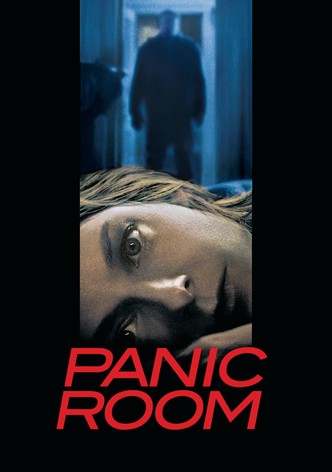
8. Panic Room (2002)
A tense thriller that is excellent at turning a wealthy home into a veritable death trap, the fairly straightforward Panic Room works as well as it does because of the direction and lead performances. Foster stars as a wealthy divorcee who is forced to protect her daughter (played by a young Kristen Stewart) from a group of home invaders.
Helmed by David Fincher with the same grounded sense of horror he brought to serial killer stories like Se7en (1995) and twisty mysteries like Gone Girl (2014), Panic Room uses the claustrophobic vibes to its advantage. Foster is great here, a woman who refuses to let other men threaten her and the safety of her daughter. A terrific thriller with more than a little in common with classics of the genre like Wait Until Dark (1967), Panic Room is perfect for audiences who primarily know Foster for her thriller work, especially as Clarice Starling opposite Hannibal Lecter.
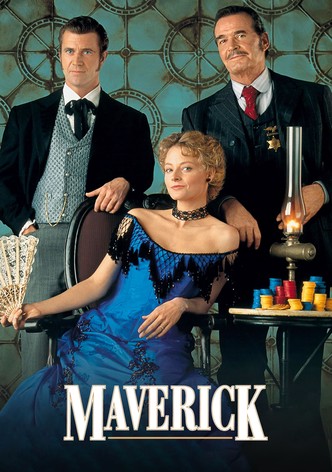
7. Maverick (1994)
A goofy Western that has a lot of fun with the period setting while never forgetting the more dangerous qualities of the era, Maverick is a frequently surprising and easily watchable take on the genre. It follows a pair of con artists in the Old West who end up involved in an adventure to procure the resources for a high-stakes poker game. Foster finds a great comic foil in Mel Gibson, who was at his charismatic peak before shifting into the director’s chair and experiencing his public falling out.
A great example of Foster’s comedic chops is once again impacted somewhat by association with a controversial filmmaker (similar to her great Golden Globe-nominated turn in Carnage, which is hard to fully recommend due to it being directed by Roman Polanski). Still, if you can look past that, Foster’s Bransford proves to be a smooth operator who is just as slippery and clever as her rivals, making for a timeless Western anti-heroine.
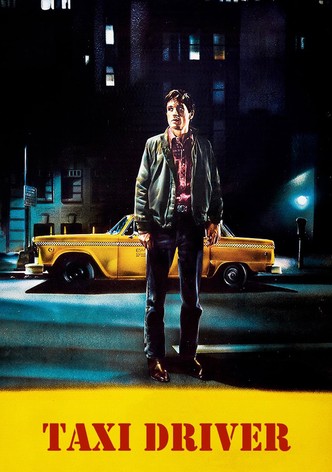
6. Taxi Driver (1976)
While it isn’t her first film with Martin Scorsese, with Alice Doesn’t Live Here Anymore (1974) coming out a few years prior, Foster’s most famous collaboration with the legendary director is Taxi Driver. Appearing as a teenager forced to work as a prostitute in New York City, Foster’s Iris is the prickly but vulnerable heart of the film.
She is terrific in the role, a tough teenager by choice who can’t stop from being the girl she really is. Foster’s work in the film, while generating plenty of controversy, also earned her an Academy Award nomination. Taxi Driver defined much of Foster’s creative DNA. It’s a harsh flick that nevertheless remains deeply compelling and continues to inspire films like Joker (2019) decades later. Brutal but undeniably revolutionary, Taxi Driver is a fantastic movie that benefits greatly from Foster’s performance.
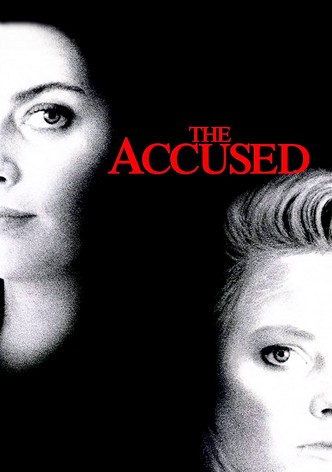
5. The Accused (1988)
One of the toughest of Jodie Foster’s movies, The Accused is also the film that earned Foster her first Academy Award for Best Actress and cemented her as a movie star. Foster plays Sarah Tobias, a waitress who is sexually assaulted by patrons of her bar and works with a DA to bring the men to justice. It’s a harrowing story with themes about accountability and compromise in the justice system that remain as relevant today as they did almost forty years ago.
Foster is a revelation as Sarah, who gets to retain several shades in a role that could have easily been delivered with a single note of defiance. Instead, Foster makes Sarah into a woman who is tough as nails, unrelenting, defiant, violated, ashamed, and ultimately driven just as much by fury as she is by defiance for a system that would brush her pain aside. A hard movie to watch and a great peer to other heavy legal dramas like A Time to Kill (1996), The Accused is a powerful drama anchored by an amazing central performance.
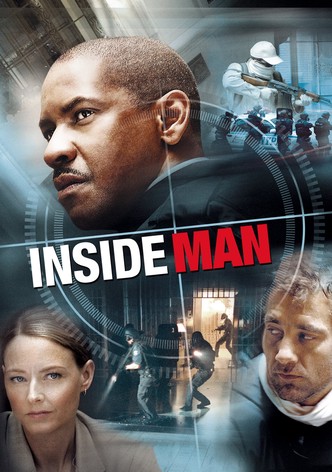
4. Inside Man (2006)
A terrific heist thriller from Spike Lee, Inside Man is the definition of modern pulp entertainment and a great example of Jodie Foster’s talents in the genre. Foster appears as a fixer, working to ensure that a certain security deposit box is recovered amid a heist. Opposite Denzel Washington’s lead detective, Foster provides a cool head that nevertheless turns much of the film’s morality upside down as she realizes why Clive Owen’s bank robber is targeting her employer.
Foster does great work, bringing a certain level of dry professionalism to a story that could have been thrown off its axis by her presence. Instead, she delivers a key aspect of Inside Man’s thematic exploration of good and evil in a world of robbers, both street-level and generational. One of Spike Lee’s most entertaining films, and one that received a solid spiritual successor in Highest 2 Lowest (2025), Inside Job is a reminder that Foster can play cool better than almost anyone around.
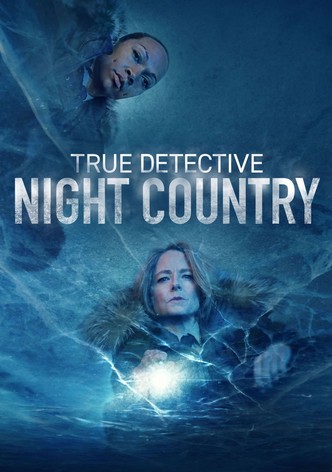
3. True Detective: Night Country (2024)
A murder mystery set in Alaska, the fourth season of True Detective (2014) is one of Foster’s best recent works and showcases her talent in the TV realm. A harrowing crime-thriller that recalls some of Foster’s most acclaimed performances, Night Country is a grim noir that uses the frigid setting to great effect.
Similar to other intense stories like The Order (2024) and Wind River (2017), Night Country lands with a harsh but rewarding edge that explores the ramifications of institutional racism and the societal flaws of a corrupt authority. Even beyond the scenario’s elements, Night Country’s character-driven exploration of responsibility and secrecy over painful legacies gives Foster and co-star Kali Reis plenty to play with as they circle one another and eventually find an unlikely partner in one another.
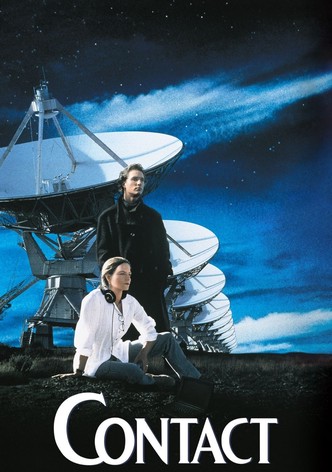
2. Contact (1997)
An operatic sci-fi film, Contact is a surprisingly emotional and scientifically minded character drama. Foster shines as Ellie, a scientist who discovers evidence of extraterrestrial life and endeavors to ensure contact is established between humanity and the visitors from beyond the stars. Foster is at her best here, finding the perfect balance of cool-headed professionalism and barely hidden vulnerability.
Similar in tone to films like Interstellar (2014) or The Martian (2015), the realistic elements and human drama amplify the film’s more outlandish beats. It all builds to an ending where Foster gets to utilise a sense of awe that remains one of the most unexpectedly beautiful moments in her entire acting career. A tremendous movie that uses heavy sci-fi questions to explore humanity in a manner similar to Close Encounters of the Third Kind (1977), Contact is a fantastic film that only works because of Foster’s gravitational force at the heart of the story.
1. The Silence of the Lambs (1991)
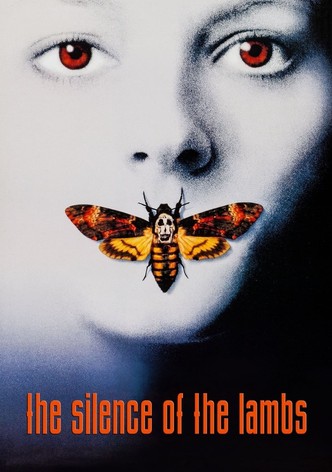
One of the best horror films of all time and one of the rare ones to pull off a “Big Five” at the Academy Awards, The Silence of the Lambs remains Jodie Foster’s best movie. An intense but compelling mystery thriller that follows an FBI agent’s investigation into a serial killer, Foster’s Clairice finds an invaluable source of perspective in the form of Hannibal Lecter, an infamous and vicious serial killer who also happens to be a disarmingly charming and insightful figure.
Foster is perfect in the role, conveying Clairice’s drive and sense of self without losing sight of her more vulnerable side. This is the key to the movie’s effectiveness. It never relents in its darker elements, but it also never loses sight of the humanity at the core of the story. Foster is one of the main reasons why that balance works. While Anthony Hopkins’ performance might have become the cultural touchstone (and explains the sequels like 2001’s Hannibal), the movie only truly works because of Foster’s phenomenal central performance as Clarice Starling.