A New Version of Stephen King's The Mist Is Coming - Here's How It May Differ From the Original

Author Stephen King has written an incredible number of stories during his prolific career, and The Mist is one of his finest.
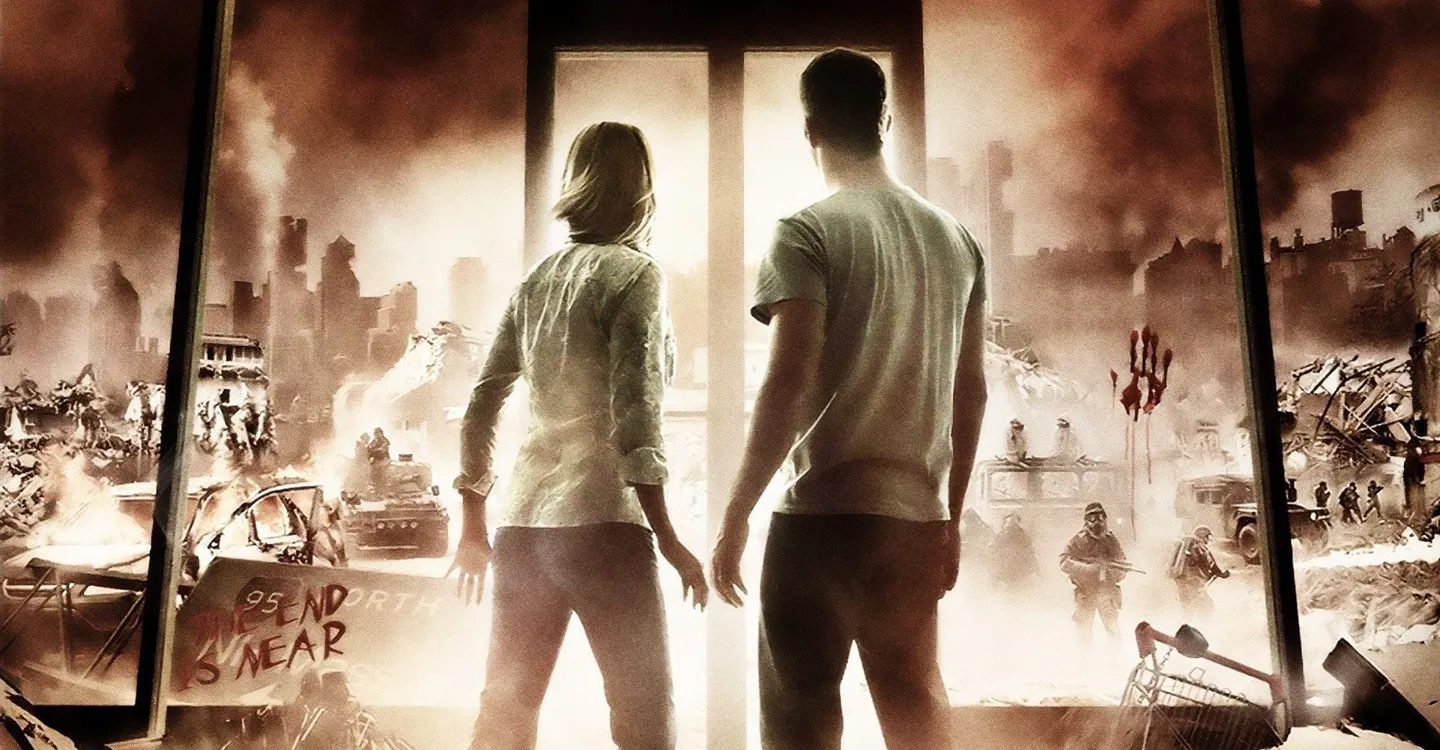
Originally appearing within King’s anthology, Skeleton Crew, The Mist tells the story of David Drayton and a cluster of Maine townsfolk who seek shelter after a mysterious mist descends upon their town. After becoming trapped in his local grocery store, Drayton and those with him realise that the mist is hiding monstrous creatures. What begins as a simple shelter-in-place becomes a violent struggle for survival.
In 2007, Stephen King’s novella, The Mist, was brought to the screen by Frank Darabont. Then, ten years later, in 2017, came a television series that sought to expand on the world. Now it appears that come 2027, The Mist will get yet another adaptation, this time from King superfan Mike Flanagan. But is 20 years a long enough gap to warrant a new movie? If Flanagan is attached, then the answer might just be yes…
Why Frank Darabont's The Mist Works
Long before Mike Flanagan came into prominence, Frank Darabont was the go-to director for adapting the works of Stephen King. In fact, Darabont’s first IMDb credit is for his short film The Woman in the Room, an adaptation of King’s short story of the same name. That short would later form part of the anthology movie Nightshift Collection. As for Darabont himself, he continued working with King’s stories, directing The Shawshank Redemption and The Green Mile, both of which were massive hits with fans of the author. By the time that Darabont came to make The Mist, he was very familiar with a Stephen King property, and it shows.
Right from the opening storm, The Mist screams Stephen King, Darabont having picked up a shorthand to translate the essence of the author’s work. There is a creepy sense of foreboding even before David and his son get to the grocery store, and the screen is quickly populated by familiar King character archetypes. But it isn’t just Darabont’s ability to translate King’s text onto the screen that makes The Mist work; it is also how the director not only adapted the story but made it even better.
Through much of his career, King has received consistent criticism about his endings. There is even a joke about it during It: Chapter 2 in which King himself, as a thrift shop owner, discusses that same note with fictional author Bill. The ending of his The Mist novella is one of the perfect examples of King’s occasional inability to conclude a story; he doesn’t actually end the tale. The whole novella is David Drayton writing down his experience in the grocery store from the safety of a roadside diner. With him and some others still on the road, he leaves his story behind for other survivors to find. The completely open ending is a bit of a cop-out, and Darabont was also left underwhelmed by it. So he got to work on his own idea, and it is one of the bleakest, most devastating endings in cinema.
Darabont also ensured The Mist’s legacy by releasing not one, but two versions: one in colour and the other in black and white. Although only the colour might have changed between the two editions, they feel like entirely different films. The black and white version plays like a lost B-movie from the ‘50s, and makes the creatures lurking in the mist even creepier.
Despite being almost 20 years old, with the story itself even older, The Mist seems to be ageing like a fine wine. If anything, it is getting scarier. What previously was a tense sci-fi horror now appears to have had prophetic powers to see where society would go. Back in 2007, the character of the pious Mrs Carmody, although despicable, was viewed somewhat comedically as there was no way that anyone with any sense would buy into her ramblings. Now, though, Mrs Carmody is no different to the ‘Karen’ personality type that has become all too common. Seeing how the microcosm of the grocery store has predicted where our own society has headed makes The Mist suddenly way more terrifying, and it is not because of the monsters. It is also this aspect that means that a new version could work.
What Might a Mike Flanagan The Mist Look Like?
Whereas in Darabont’s film, humanity’s drive to destroy itself and each other seemed preposterous, given the current societal climate, now could be a great opportunity to really dig into this side of the story. Outside of the commentary on the battle of good and bad, and how easily people can be swayed to the darker side, The Mist delves into religious symbolism and - thanks to that ending - trauma. These are all elements that Mike Flanagan is very familiar with, which means that he is likely to produce something exciting. But what might his Mist really look like?
For one thing, his wife and frequent collaborator, Kate Siegel, will almost certainly play Mrs Carmody. The rest of the cast will likely be populated by some of Flanagan’s other usual suspects; Carla Gugino would make an interesting take on cantankerous schoolteacher Irene, and The Fall of the House of Usher’s Willa Fitzgerald could be a great Andrea. As for the male characters, Henry Thomas feels like the perfect replacement for William Sadler’s Jim Gordon, and Rahul Kohli would make a fantastic David Drayton.
However, as fun as a remake of The Mist might be, with the original holding up so well, it almost feels like a waste of Flanagan’s talents. The more compelling ‘adaptation’ would be to use the main story as a starting point and build it out.
This approach was taken with the television version of The Mist, but it missed the mark. Something that Darabont’s film does so well is that it sets up a lot of mysteries and never answers them. This allows the viewer to fill in the blanks to make their own stories, but it would be very interesting to see Flanagan’s take on these events. There are so many threads to pull from - the journey of Melissa McBride’s mother is just one. The character leaves the store almost immediately and is then seen again at the end, but what happened in between? Brent Norton is seen leading a group of people into the mist, and although the audience knows the fate of the biker who ventures out with them, nothing is known about the others. A film following their trek could be terrifying. Then, there is an entire army base hosting the Arrowhead Project, which has plenty of material to explore.
What Other King Stories has Mike Flanagan Directed?
As a director, Mike Flanagan has a stunning record when it comes to adapting books. His version of The Haunting of Hill House is an incredible feat of work, and so if anyone is going to tackle a new version of The Mist, Flanagan feels like a safe pair of hands. Flanagan is also no stranger to working with Stephen King’s words and sits alongside both Frank Darabont and Rob Reiner as a director of multiple King adaptations.
In the past, Flanagan has spoken of his wishes to adapt The Dark Tower, and is currently finishing off work on a TV adaptation of Carrie. But until that, and his version of The Mist, are released, why not catch up with some of Flanagan’s other King-based movies and see exactly why he has the pedigree to retool The Mist?
The Life of Chuck was released in 2025 and is a rare, relatively upbeat story from Stephen King. A story all about the life of a man called Charles ‘Chuck’ Krantz, both the movie and its source material bend genres to tell a life-affirming story filled with bittersweet memories of love, loss, and hope. A far cry from the typical Stephen King adaptation, The Life of Chuck forgoes the horror elements in favour of telling a more human and emotive story; get ready to have your heart broken in all the right ways.
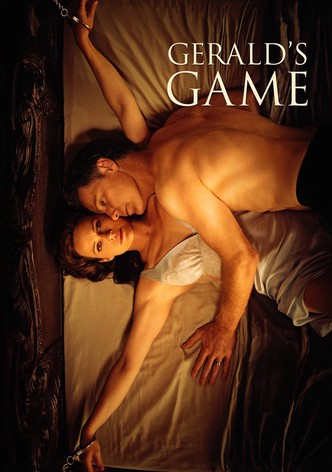
In contrast to The Life of Chuck, Mike Flanagan’s first King adaptation, Gerald’s Game, is far more in keeping with the author’s reputation. Set over the course of a weekend getaway, Gerald’s Game follows the desperate attempts of Jessie as she finds herself handcuffed to the bed after her husband has a heart attack during some spicy bedroom activities. Alone and isolated, Jessie must do whatever she can to free herself, no matter how icky. An incredibly intense film, featuring some very darkly toned flashback sequences, Gerald’s Game might be Flanagan’s first time working with a King story, but he absolutely knocked it out of the park.
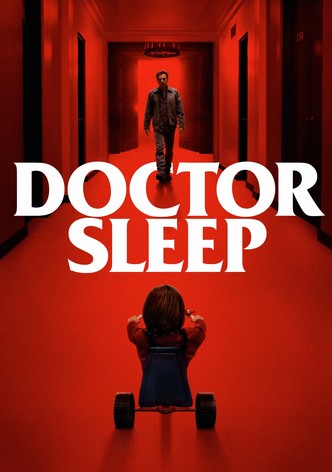
Until Carrie was announced, Mike Flanagan’s biggest Stephen King project was Doctor Sleep. Both the novel and film are a sequel to The Shining. The plot follows a now-grown-up Danny Torrance who, after years of suppressing his powers, must put them to use to help save a similarly gifted young girl who is being hunted by a cult called the True Knot. While audiences regard Stanley Kubrick’s The Shining as a masterpiece, King himself hates it. Adapting a movie that is essentially a sequel to a film that the author of the source material cannot stand must have been a daunting prospect. If it were though, Flanagan masked it well, and made a film that not only pays respect to Kubrick’s film, but also earned the Stephen King seal of approval.