

10 Times Pixar Made Us Cry

Pixar has been delighting audiences with adorable animated tales for over 30 years now.
Helped by Disney along the way, the innovative studio has produced some of the very best family films of the past few decades, as well as pioneering new computer-animated techniques along the way.
The work Pixar puts out into the world has always had a unique way of connecting with audiences. That’s mostly thanks to the effective way their stories imbue inanimate objects, animals, aliens, robots and more with very real emotions and put them into very human, relatable situations.
While that usually produces smiles and laughter for viewers, watching a Pixar movie often comes with a healthy dose of ugly crying, too. So, here are the ten most emotional tearjerkers in the Pixar library.

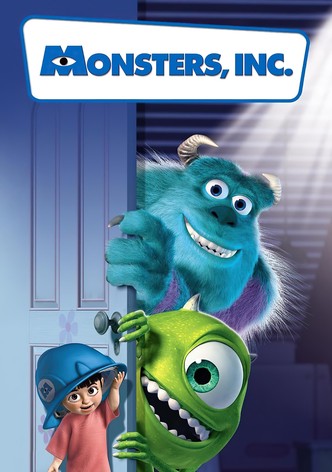

I’m pretty sure Monsters, Inc. was the first film to make me cry, at least in a cinema. For the most part, this is a truly hilarious, very creative story which leans into the stereotypes around monsters and offers an explanation for those old tales of scary things hiding in children's closets.
However, when Mike and Sulley form an attachment with the super cute little human, Boo, their world is quite literally turned upside down. After building such a beautiful relationship, particularly with Sulley, it’s heartbreaking for audiences to see them having to go their separate ways. It’s for the best, of course, but that doesn’t make it any less painful.






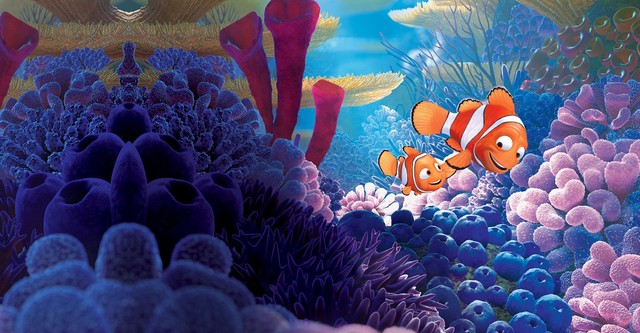

It doesn’t take long for Finding Nemo to tug on the heart strings, with the opening scene being a brutal reminder of just how dangerous the ocean can be. Just like in the classic tale of Bambi, our titular character here has his mother taken away from him when a barracuda shark attacks the family home.
It’s a pivotal moment for Nemo, who isn’t even born at this point, as he becomes the sole surviving child for his father, Marlin, to raise. Marlin’s overprotective nature is understandable, but that overbearing approach also leads to a chaotic sequence of events underpinning this delightful adventure movie.
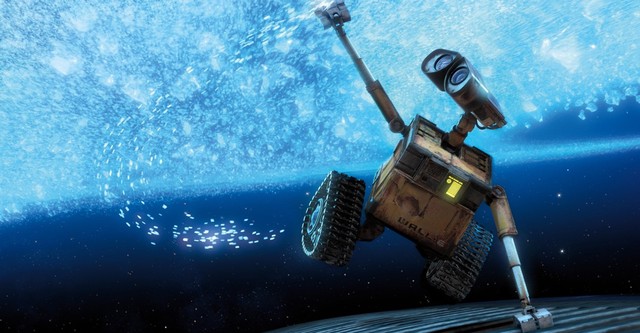
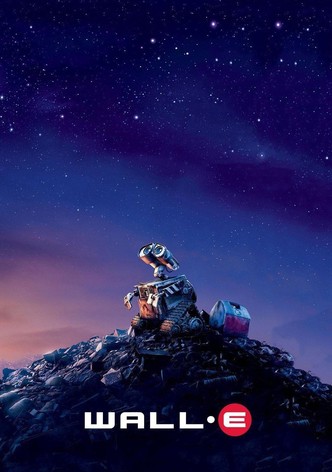
Taking us to a distant future and a dismal planet Earth, Wall-E is a fascinating animated sci-fi story about the wastefulness and short-sightedness of mankind and the environmental impact of our actions. It’s a provocative and weighty story that adults can enjoy and benefit from, but it’s also sweet and charming enough to enthrall younger viewers.
However, one thing that all those who watch Wall-E will take away from this film is utter soul-destroying agony when the titular robot has his memory erased. That would be upsetting enough, but to make matters even worse, it disrupts his blossoming relationship with EVE, the female robot he has befriended along the way.
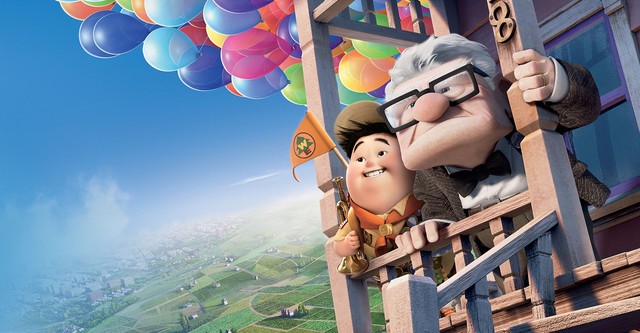

Like Finding Nemo, the hammer blow to the heart comes early on in Up, with a montage sequence that makes me well up just thinking about it. After Carl and Ellie meet as children, their relationship goes through all the motions one expects – young love, marriage, planning a family. However, the latter never works out for them, and Ellie eventually grows old and becomes ill.
It’s incredible how impactful those couple of minutes are, especially considering there’s no dialogue. Thankfully, from there on, the film is a blast. The dynamic between Carl and Russell is delightful, but it’s the visuals of this film that elevate it to top-tier Pixar status. From the flying house to the wonders of Paradise Falls, Up is utterly mesmerising.

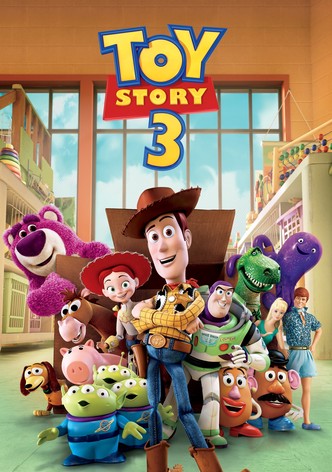
The first two movies in this series are just pure fun, with a playful spirit and a wholesome feel to the ensemble of characters. However, in Toy Story 3, things are taken in a different direction, as Andy questions whether he needs his beloved toys anymore. The end result of that leads to one of the most nuanced and stirring pictures Pixar has ever produced.
There are a couple of key moments in the final act of this film that are guaranteed to get the waterworks going. First, as the toys face the perils of the incinerator, seeing them hold hands and support one another in their darkest hour is incredibly moving. However, it’s a more bittersweet sentiment that gets the most tears from me, personally, when Andy donates the toys to young Bonnie. It’s a poignant passing of the torch – one that makes sense, but is heart-rending nonetheless.


I feel like I’m the only person in the world who is not enamored with Inside Out. For some reason its exploration of the inner workings of the young protagonist just didn’t resonate with me, even though I can certainly admire the thematic approach. And, I would be lying if I said the sacrifice of her imaginary friend, Bing Bong, didn’t get me right in the feels.
It’s testament to how powerful that particular moment is that, somehow, a goofy pink elephant can elicit such a strong reaction. Seeing him fade away is a stark reminder of the relentless nature of time and how quickly children grow up, a topic the film itself handles exceptionally well – and so, too, does the sequel.
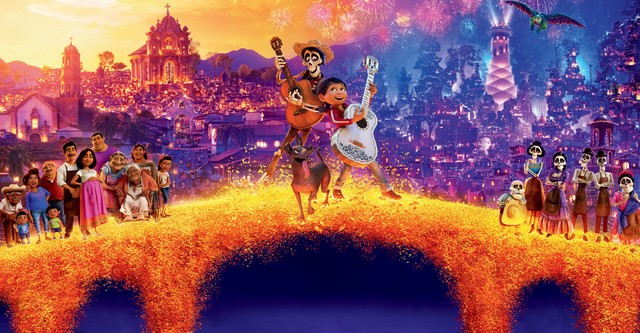

While Coco is, ultimately, an uplifting and energetic exploration of the underworld and of bringing families closer together, it’s important to remember that the crux of the narrative is that poor, old Mama Coco is losing her memory. Having lost her husband and parents, she is the last remaining link to the legacy of the family, but dementia is taking that away from her, too.
There is a constant emotional thread running through Coco, but the catchy songs and the endearing spirit of young Miguel do enough to keep us smiling as we watch along. Has Pixar ever done a musical as sublime as this? I think not.
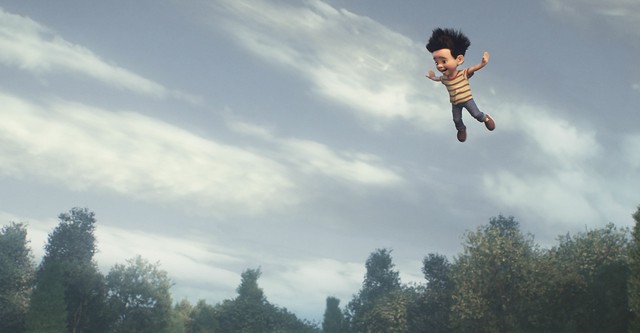

I’m including a short film on this list, but that’s OK because Pixar are very, very good at making short films – there is a whole collection of them on Disney Plus, if you’re curious. Float is my favourite of them all, even though it’s quite upsetting, but I think it’s that strong emotional impact that gives this short its edge.
It’s a story of a father who is struggling to handle his son, who is a bit of a wild child. In a clever and affecting representation of autism, his child defies the laws of gravity and, at first, the dad wants him to stop being different and drawing attention to himself. He eventually learns to embrace his son’s unique qualities, and I think that’s a really beautiful message that is superbly transmitted in just seven minutes.

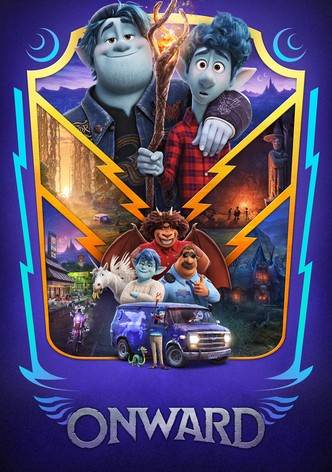
Another really underrated entry in Pixar’s illustrious filmography is Onward, which I think got lost in the chaos of the Covid-19 pandemic to some degree. But, with the help of A-list voices in Chris Pratt and Tom Holland, this sprawling fantasy adventure movie is certainly one of the better efforts from Pixar in what has been a mixed bag in the 2020s.
It’s a film that is so wacky and which leans into slapstick, physical comedy so much that it’s easy to be blindsided by the huge emotional pay-off by the time its conclusion arrives. The whole point of the story, though, is for Ian and Barley to be reunited with their dead father… the problem is, only one of them can, and that fleeting moment is equally touching as it is tinged with sorrow.


Disney and Pixar movies just love killing off the main character’s parents, don’t they? It happens again in The Good Dinosaur, when Arlo’s father attempts to help his son get over his fears and persevere through a dangerous storm. However, the experiment backfires when the valley floods, washing papa dino away forever.
As always, this is a sorrowful but effective bit of character building for the protagonist, and it leads to an enchanting tale of friendship for Arlo and his human companion, Spot. I’ll always have positive things to say about this film and I really think it’s an underrated gem in the Pixar catalogue. The Good Dinosaur deserves more love, not least of all for its glorious visuals – in particular, the beautiful scene where Arlo finally allows himself to appreciate the wonder of the fireflies.


