What Is Marvel's Infinity Vision and How Will It Change Avengers: Endgame?

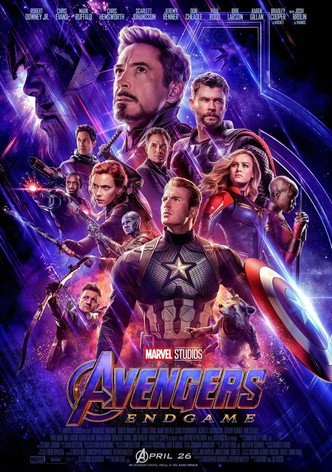
To take the hype of Avengers: Doomsday up yet another notch, Disney has announced that Avengers: Endgame will be returning to cinemas.
As if reliving this modern classic on the big screen wasn’t enough, Disney is offering a brand new viewing experience for this film known as ‘Infinity Vision.’
In a press release, Andrew Cripps, Head of Theatrical Distribution for The Walt Disney Studios said: “Disney’s standards for production quality are second to none, with every single detail of a film finely tuned for an immersive experience. Infinity Vision certification extends that commitment to the theatres themselves, representing a shared effort between Walt Disney Studios and the exhibition community to help audiences quickly find the very best screens in their area to experience our films in exactly the way they’re designed to be seen – on a huge screen with the sharpest, clearest color and sound.”
But what does that actually mean in practice? And how does Infinity Vision compare to other leading formats? For all the information on this and more, keep reading.
What Exactly Is Infinity Vision?

Per the press release, Infinity Vision certifies auditoriums that meet the “rigorous technical standard” required for this viewing experience. Requirements these cinemas need to meet include “the largest screens for maximum scale,” “laser projection for superior brightness and clarity,” and “premium audio formats for fully immersive sound.”
It’s important to note that this new certification is only available to Premium Large Format theatres, of which there are just 75 in the US, Far Out reports. According to the Financial Post, nearly 5,500 screens globally qualify for Infinity Vision.
How Does It Compare To Other Formats?
Other popular cinematic formats include ScreenX, 4DX, and IMAX. ScreenX differs from Infinity Vision because it uses 270° projection. As noted by Cineworld, this type of screening involves using up to 12 additional projectors to spread the film screen out to the walls so it surrounds you.
However, 4DX is the most immersive of the bunch because it involves “stimulating effects like water, wind, scent and strobe lighting that are timed to enhance what’s happening on screen.” Your seat will also move, vibrate, and shake in accordance to any action that is going on in the film, making for a more physically immersive experience.
As for IMAX, it isn’t too dissimilar to Infinity Vision. It features dual projection, surround sound, and larger screens. According to Cineworld, IMAX’s remastering process “fully transforms every frame of a film to produce the best possible version of a filmmaker’s vision.”
Dune: Part Three is the Key to Infinity Vision

As pointed out by No Film School, Dune: Part Three will be dominating IMAX screens for a three-week exclusive window this December. The only problem is Avengers: Doomsday is set to be coming out at the same time.
This leaves Disney with two options: shift the release date of Doomsday or make its own competitor to IMAX in order to preserve that feeling among viewers that they’re getting a truly premium cinematic experience. The company chose the latter.
So, it looks like the re-release of Endgame will not only be an enriching, immersive experience on the big screen — it also serves as a test run for this all-new cinematic format. As well as this, at CinemaCon, Disney announced that the Infinity Vision version of Endgame will also feature new footage that further ties it with Doomsday. So, if you ask me, it's a must-watch for the most devoted MCU fans.









Bundle 4k