
History buffs, beware! These films take historic events and figures and give them a Hollywood makeover with some glaring flaws—but that’s part of the fun. Sometimes, a wildly inaccurate story simply makes for a better film, favouring emotional truth over fact.
From epic battles to royal intrigue, these movies might not make a history professor smile, but they’re absolutely worth watching for the sheer entertainment and heart they bring to these stories. Ready to dive into history as it never really happened? Here’s a lineup of 10 films that wildly bend the facts, but still manage to capture our imaginations.
1. Braveheart (1995)
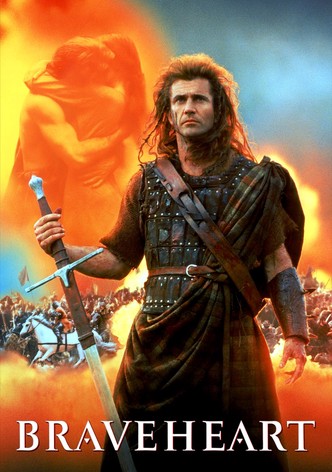
Braveheart is one of the most beloved but most egregious of historical offenders. Starring Mel Gibson as William Wallace, the film tells the story of the Scottish rebellion against England in the late 13th century, led by the daring Wallace.
Historically, this film is all over the place. Wallace wasn’t the poor farmer the film makes him out to be; he was actually nobility, trained in warfare from a young age. The battle scenes—including the iconic Battle of Stirling Bridge—oddly omit the bridge itself, and the costumes favour romanticised kilts and blue face paint, sadly never worn in 13th-century Scotland. The infamous “Jus Primae Noctis” law allowing English lords to sleep with brides on their wedding night is also a complete fabrication. But despite the historical inaccuracies, the film’s passionate speeches, fierce battles, and Gibson’s fiery performance make it a timeless film about freedom and the fighting spirit.
2. Marie Antoinette (2006)
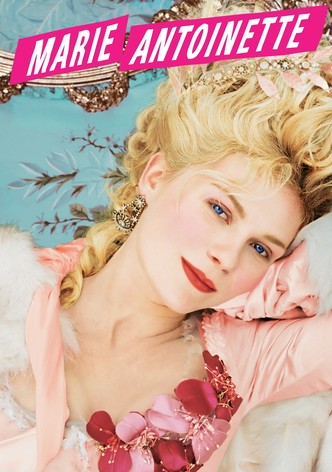
Sofia Coppola’s Marie Antoinette offers a visually sumptuous and intimate portrayal of the young queen, but takes quite a few liberties with historical accuracy. While grounded loosely in real events, the film’s aesthetic and use of modern pop music—not to mention Marie’s Converse shoes—clearly show that historical accuracy took a back seat.
The portrayal of Marie as a pink-haired, somewhat aimless teenager indulging in sweets captures an emotional truth rather than historical reality. The film only lightly addresses much of the complex political situation in France at the time, focusing instead on the isolation and pressures of court life. Key details like Marie’s children and relationships—and her possible affair with Count Fersen—are only briefly touched upon. However, the infamous quote, “Let them eat cake,” is rightly debunked in the film, as Marie never said it.
Despite these inaccuracies, Marie Antoinette succeeds in evoking the queen’s loneliness and opulence, and the eventual tragedy of her world through a stylised lens that blends past with present.
3. The Patriot (2000)
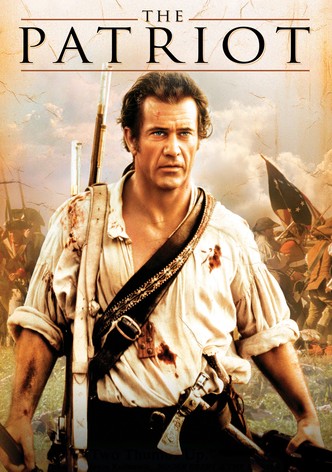
Roland Emmerich’s The Patriot, starring Mel Gibson as Benjamin Martin, delivers Revolutionary War heroics with plenty of spectacle—yet history is often left in the dust. But a film called The Patriot was never going to deliver a balanced view of the two sides.
Gibson’s Martin is loosely inspired by several figures, including Francis Marion and Daniel Morgan, but is fictionalised as a flawless family man who single-handedly defeats legions of British redcoats. Every British soldier in The Patriot is depicted as a sadistic, almost cartoonish war criminal; and while the film’s villain, Colonel Tavington, channels the real-life Banastre Tarleton, it greatly exaggerates his cruelty, depicting him committing atrocities like burning civilians alive in a church—events that never happened in the American Revolution, and actually more closely mirror Nazi crimes during World War II. Also controversial is the depiction of freed slaves working contentedly for Martin, glossing over Marion’s own troubling legacy with slavery and violence against Native Americans.
However, it must be noted that The Patriot’s battle sequences—especially Cowpens and Camden—reflect authentic military tactics, and the Emmerich and the film’s costume department even consulted with the Smithsonian to create historically accurate sets and costumes for the film. Despite The Patriot's clear agenda and bending of Revolutionary War history to support that, its stirring moments of courage and sacrifice strike a deeply early 2000s-style emotional chord.
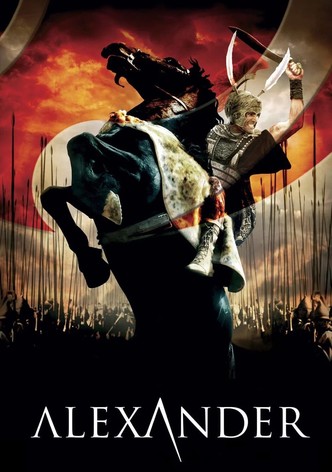
4. Alexander (2004)
Oliver Stone’s Alexander is a sweeping epic that covers the conquest of half the known ancient world in under four hours, which means timelines get squished tighter than a Greek phalanx. The notoriously un-Macedonian-looking Colin Farrell plays the legendary Alexander the Great with brooding intensity, but the film takes a few detours from reality: Royal family drama gets turned up to soap opera levels, and some key battles are either carelessly rearranged or oversimplified.
As for politics? They’re more melodramatic than Machiavellian, and let’s just say the film’s exploration of Alexander’s personal relationships is a bit more cinematic fantasy than textbook history. Despite all this, Alexander manages to channel the sheer epic ambition of its hero, with grand visuals and intense battles that make it impossible to look away.
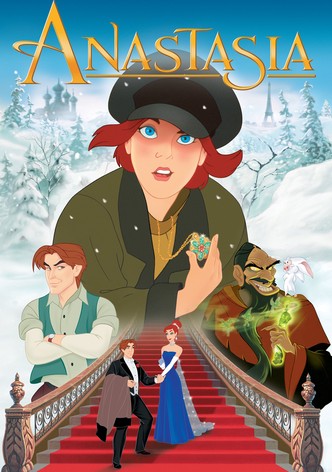
5. Anastasia (1997)
The beloved animated film Anastasia weaves a charming fairytale from one of history’s darkest mysteries—but it’s unfortunately as far from the truth as one can get. In 2007, DNA evidence confirmed that the real Grand Duchess Anastasia was indeed executed alongside her family during the Russian Revolution in 1918, crushing the film’s hopeful yarn of amnesia and escape.
Despite the tragic reality behind the story, the film remains one of my childhood favourites. From Meg Ryan, John Cusack, and Christopher Lloyd’s stellar voice acting as Anya, Dmitri, and Rasputin, to the beautiful musical numbers, Hank Azaria’s talking bat Bartok, and the fairytale ending, it turns a tragic chapter of Russian history into a magical adventure. It may rewrite history, but it captures the longing for family, identity, and hope with undeniable charm.
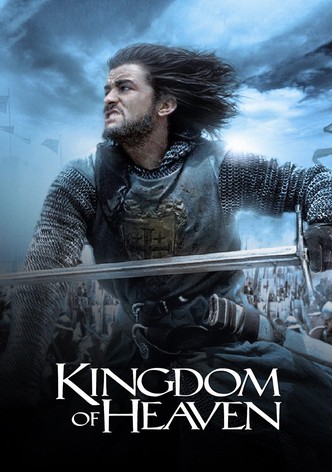
6. Kingdom Of Heaven (2005)
Ridley Scott’s Kingdom of Heaven offers a sweeping, visually stunning glimpse into the Crusades—but don’t expect a history lesson without a few artistic liberties. The film centres on Balian of Ibelin, played by Orlando Bloom, a character inspired by a real noble defender of Jerusalem—though the film invents much of his backstory, including his French origins and tragic personal journey.
While King Baldwin IV’s leprosy and his efforts to keep peace are portrayed with some accuracy, much of the politics in the film is oversimplified or fictionalised. Likewise, relationships like the one between Balian and Sibylla are there for pure drama and to add personal stakes. The portrayal of Saldin is generally respectful and avoids the typical villain tropes seen in Crusades films, though his tolerance and chivalry are somewhat romanticised.
The film also compresses timelines and events for pacing, and the complex role of the Templars and Hospitallers is flattened for easier storytelling. But despite the bending of the facts, Kingdom of Heaven succeeds in blending history with 21st century perspectives on tolerance and conflict, creating an epic that’s as much a modern allegory as a medieval drama.
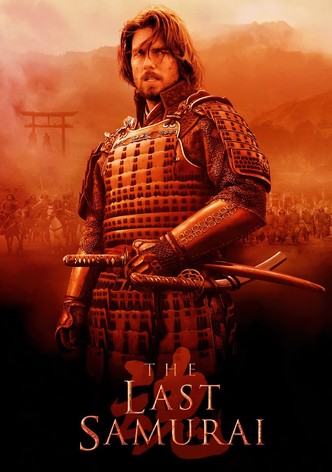
7. The Last Samurai (2003)
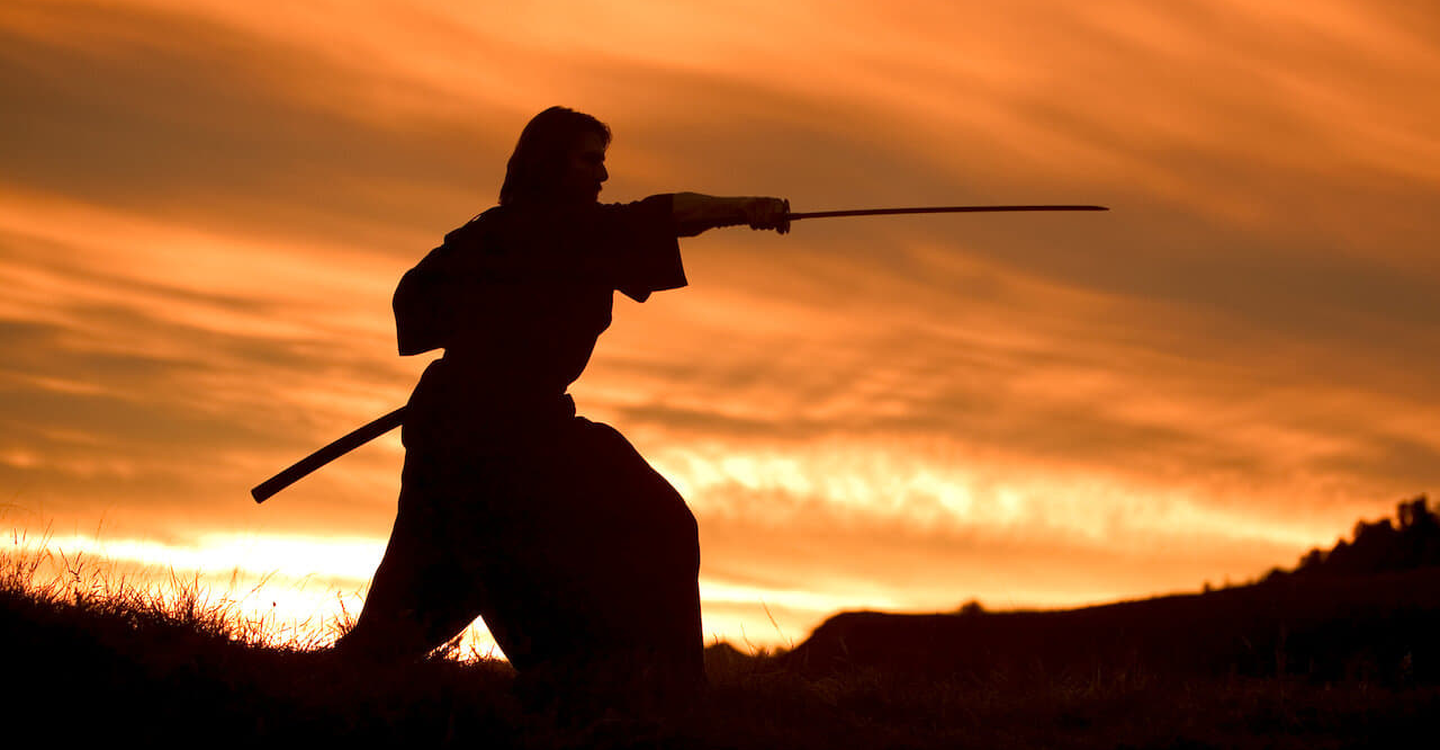
Edward Zwick’s The Last Samurai offers a sweeping, sword-swinging spectacle that’s equal parts history lesson and Hollywood fantasy. Inspired loosely by real French soldier Jules Brunet, Tom Cruise’s character Nathan Algren is an American thrown into Japan’s Meiji Restoration drama—a time when samurai swords clashed with modern rifles and traditional values faced off against rapid Westernisation. If you’ve seen the series Shogun, you can put it into the timeline some 200 years after, when Japan finally fully opened to Western trade.
While The Last Samurai captures the spirit of the samurai’s right to preserve their culture, the film simplifies the complex political realities of the time into a classic “tradition vs progress” showdown. The samurai didn’t all live in mountain hideouts, and many had already accepted change long before the 1877 rebellion that the film dramatises. In addition, the ‘white saviour’ mastering samurai ways is pure Hollywood fiction.
Still, there’s no denying that The Last Samurai is a great film. From its lush costumes, intense battles, and the rare view it provides of samurai culture, it’s a thrilling if not perfectly accurate ride through a fascinating time in Japanese history.
8. Amadeus (1984)
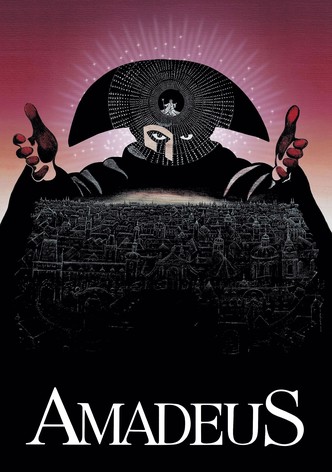
Miloš Forman’s Amadeus is a dazzling, larger-than-life portrait of composer Wolfgang Amadeus Mozart and his supposed bitter rivalry with Antonio Salieri—but don’t let the drama fool you. The film is less a faithful dramatisation and more a theatrical fantasy inspired by Alexander Pushkin's 1830 play Mozart and Salieri, rather than strict history.
Historically, there’s little evidence of the venomous feud portrayed; Mozart and Salieri had a cordial, if competitive, relationship. The film captures Mozart’s mischievous, sometimes childish personality accurately, which comes from his real letters filled with humour and scandalous jokes. However, the idea that Salieri schemed to murder Mozart is pure dramatic invention, and scenes like Mozart dictating the Requiem to Salieri never happened—Mozart’s student actually completed it.
Despite the historical liberties, Amadeus brilliantly brings Mozart’s genius and 18th-century Vienna to life with lush sets, sensational music, and that unforgettable laugh.
9. Robin Hood: Prince Of Thieves (1991)
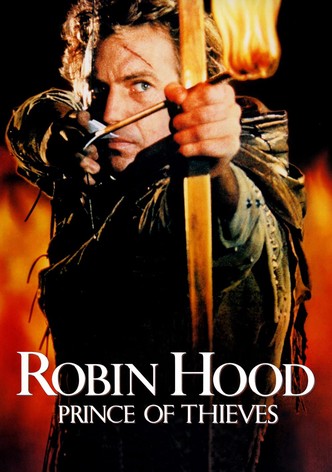
Kevin Reynolds’s Robin Hood: Prince of Thieves takes the classic outlaw tale and cranks up the drama—but unfortunately, its historical accuracy is as bad as Kevin Costner’s British accent. Set (loosely) around 1194 during King Richard’s absence on the Crusades, the film blends medieval clichés with modern sensibilities. Kitchy mullets, grimy battlefields, and a ruthless Sheriff of Nottingham (cue Alan Rickman at his iconic villain best) define its gritty vibe—but nixes any expectation of period precision.
The film invents or reshapes much of the story: Robin’s noble origins clash with early ballads in which he’s a commoner; Maid Marian’s name actually appears centuries after the real Robin’s time; and somehow, Morgan Freeman’s Azeem managed to invent the telescope centuries too early. But despite all the historical liberties and style choices, the film nails the thrill of rebellion— not to mention the memorable “Call off Christmas!” scene—that still makes it an entertaining classic.
10. JFK (1991)
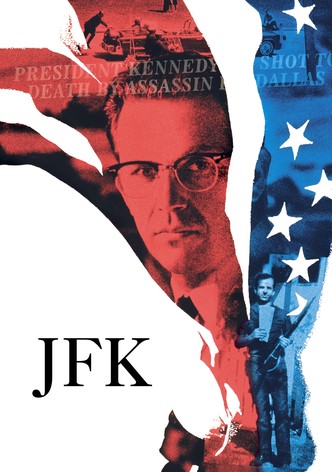
Oliver Stone’s JFK is a thrilling, conspiracy-packed dive into one of America’s most enduring mysteries: the assassination of President John F Kennedy. But if you’re expecting a straightforward history lesson, you might be disappointed. The film artfully blends fact, speculation, and outright invention. Stone adopts Jim Garrison’s controversial investigation as a launching pad, spinning a tangled web of government coverups, shadowy intelligence agencies, and “Deep State” conspiracies.
While JFK masterfully captures the era’s paranoia and the public’s distrust of official narratives, many historians have critiqued its factual accuracy and selective storytelling. Important details are dramatised or omitted to fuel the counter-narrative and ramp up the suspense. Despite its flaws, JFK remains a compelling exploration of trauma, truth, and suspicion that creates a hypnotic tale that invites us to speculate even further on what really happened.