

The Best Live-Action DC TV Shows Of All Time, Ranked

From Gotham City to soaring above Metropolis, Central City and more, DC has spent decades bringing some of the biggest comic-book characters ever created to the small screen.
Some shows changed television, others changed the way we saw superheroes, while a few were simply too much fun to leave off the list.
From the colourful camp of Batman starring Adam West, to the sprawling ambition of Smallville, the emotional depth of Superman & Lois and the darker worlds of Watchmen and The Penguin, DC television has rarely been predictable — but which shows are the best? Here is our ranking of the 10 best DC live-action series of all time...


We had to include it, didn’t we? Yes, many will laugh at seeing this on a list of the best DC TV shows of all time, but transport yourself back to the mid-1960s, when it was first broadcast, and it was unlike anything that had been seen on television before. Of course, there had been iterations of The Caped Crusader and Superman before, but the 1966 Batman series starring Adam West captured the zeitgeist for two years and has continued to amass legions of fans in the decades since.
The early films caught up to it, of course, with 1997’s Batman & Robin, a live-action, multi-million-dollar version of the series, for better or worse, but it could never lay a glove on the original. Simultaneously straight-faced and knowingly ridiculous, the show brought us camp, catchphrases, Biff! Pow! Kapow! graphics and deliberately exaggerated performances from its cast, including villains played by Cesar Romero, Julie Newmar, and Burgess Meredith. Unapologetic, colourful fun.



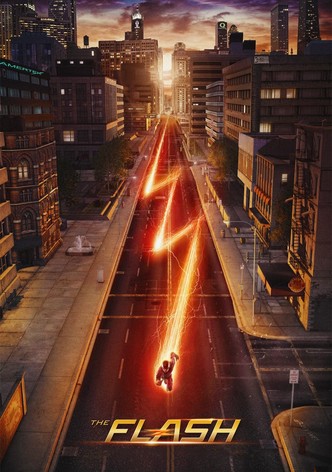
There were a multitude of characters brought to life when The CW expanded its own DC universe across the Arrowverse, but it was The Flash that, outside of Supergirl, was perhaps its most accessible and enjoyable show, not least thanks to Grant Gustin’s effervescence in the lead role – much better than the other guy in the Flash film, that’s for sure.
After being struck by lightning in a mysterious accident, Barry Allen gained superpowers and became a beacon of hope for Central City. The show had all the superhero spectacle you could imagine, but it also balanced humour and emotion particularly well, not least in the relationship between Barry and his great love, Iris West. Later, he would team up with Supergirl, Green Arrow and others in the CW’s crossovers, including Crisis on Infinite Earths, which saw previous Supermen return, as well as nods to the Batman series and films. But, it was when we were with Barry and Team Flash that the show felt at its best.















Another trip down memory lane here on our list, and while it is towards the tail end of the rankings, its importance to television and comic-book adaptations as a whole cannot be overstated. There were no real female-led superhero series at the time, but Wonder Woman put one at its centre. It was extraordinarily unusual and arrived well before the modern comic-book boom. Indeed, it came three years before Superman: The Movie changed the cinema game, but Wonder Woman was no less culturally significant.
Lynda Carter was perfect as Diana, bringing a unique combination of strength, charisma and compassion to a role that became the blueprint for generations of viewers. Her warmth and humanity beneath the superhero persona made her different from her male counterparts, and all the better for it. And, of course, there was that legendary transformation sequence, which helped bring the iconic costume to the screen, along with its brilliant theme music. A little dated now, perhaps, but Wonder Woman’s impact remains as timely as ever.

The big-screen adventures of Superman had come to a staggering halt in 1987 when the ill-fated fourth film, Superman IV: The Quest for Peace, was released to poor reviews and even poorer box-office takings. Cinemagoers had seemingly had their fill, and with Christopher Reeve no longer returning to the role, many questions remained about the character’s future.
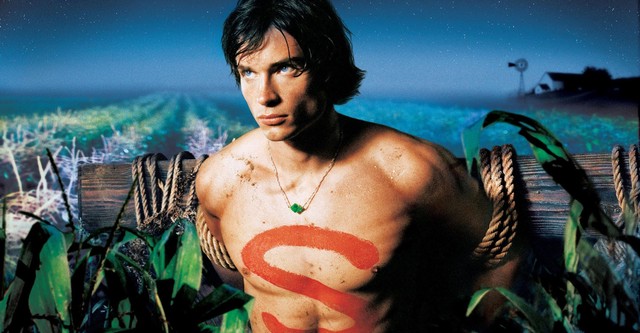
In 1993, Lois & Clark: The New Adventures of Superman debuted, but it was more romantic dramedy than Man of Steel-centric. Enter Alfred Gough and Miles Millar with a simple idea: what was Clark Kent like before he became Superman? Smallville, starring Tom Welling in the lead, was initially a teen drama before delving further into the mythology of the character, despite its “no tights, no flights” philosophy. It was more about discovery than destiny, introduced many canon characters across its 218-episode run, and helped usher in the new boom of superheroes on television.



Supergirl was one of the biggest untapped resources in adaptations for the small and big screens. The 1984 film, intended to connect with Christopher Reeve’s Superman adventures, landed with a thud despite gaining cult status in the years since, while a short stint as part of Smallville was really all we got from the character. But, producer Greg Berlanti saw the potential, and a relatively straightforward adaptation arrived in 2015.
However, the show grew – in stature, audience and scope – and was arguably the most welcoming and optimistic of all the raft of CW series around that time. Melissa Benoist was sensational in the lead role, and the series stepped out of Smallville’s shadow to carve out its own identity. Its blend of superhero action, workplace drama, relationships and social themes made it distinctive within the wider DC television landscape. Indeed, like Wonder Woman before it, it helped bring a new generation into a female-led superhero world and helped pave the way for the DC films that followed.
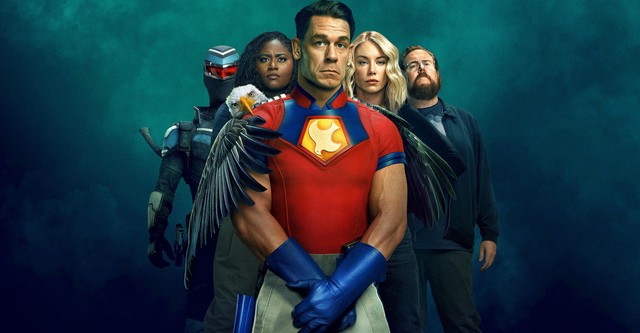
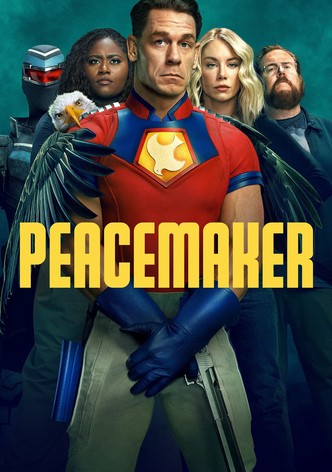
A series about Peacemaker? You can’t be serious? Well, James Gunn was, and what a brave decision it was – not the first from the filmmaker throughout his career. First introduced in Gunn’s The Suicide Squad in 2021, Peacemaker is a wildly violent patriot who was presented as the antithesis of the macho superhero – a satirical mirror, if you will. But, thanks to Gunn and star John Cena, he became something more, and so did the show.
Underneath the machismo and bravado, Peacemaker is a story about trauma, guilt and the need for acceptance that caught much of the usual DC audience off guard. Yes, it has outrageous violence and juvenile humour, but the story is really about a veteran who is deeply damaged by what he has seen and wants to be better. It is still ridiculously entertaining – not least because of those opening credits dance numbers – but it is also genuinely heartfelt thanks to its careful handling of the character. It remains one of the most unique superhero experiments we have seen.

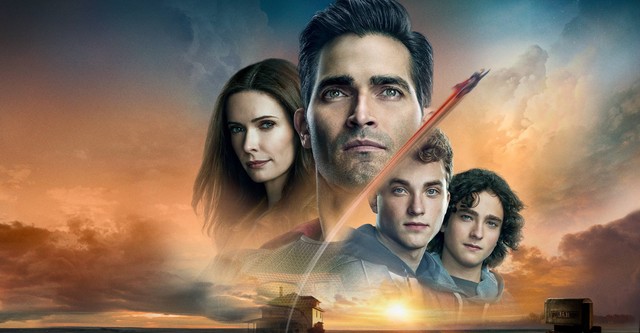
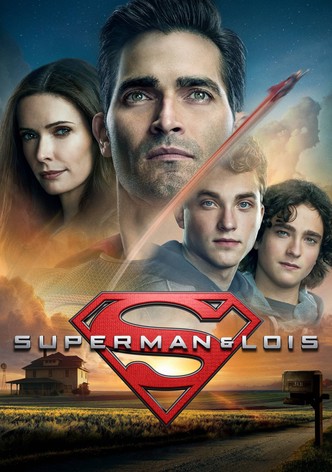
Where Lois & Clark: The New Adventures of Superman failed, Superman & Lois succeeded. That ‘90s series was too safe and too by-the-numbers to really pull off what it intended, which was to explore the relationship between the two characters while still remembering it was a Superman project. The new series managed to do everything the other didn’t, finding a fresh way to approach the characters by asking what Clark Kent would do as Superman, a loving husband, and a father all at the same time.
Tyler Hoechlin’s Clark and Elizabeth Tulloch’s Lois return to Smallville with their teenage sons, Jonathan and Jordan, after years of living in Metropolis, creating a truly human story about family, fatherhood, sacrifice and selflessness. Clark can stop a plane, an asteroid or a supervillain, but he cannot solve human problems or the emotions that come with them, especially when it comes to his sons. It has the usual Superman stuff, of course, but this is a mature, thoughtful drama that combines everything we love about the Man of Steel with something more.



Everyone was getting so mad at the beginning, but what a surprise the new Lanterns series turned out to be. It was a completely different kind of idea for both DC Studios and its new wave of television output, and one that has taken the world by storm in such a short space of time. It is perhaps the best thing the fledgling studio will ever do and might never top it, thanks to creators Chris Mundy, Tom King, and Damon Lindelof, who crop up again very soon on this list.
A grounded approach to the characters in the style of True Detective, it forgoes the garish, almost nightmarish antics of the horrendous Ryan Reynolds-starring film and treats the Green Lantern Corps very differently – by putting them into the middle of a murder mystery. This isn’t just superheroes versus supervillains; there is more depth, purpose and intrigue than many would expect, fuelled by Aaron Pierre and Kyle Chandler’s brilliant performances at its centre. It still carries the mythology and the larger DC Universe in its pocket, but its distinctive, noir-ish approach is among the best of its kind in many a year.


Matt Reeves’ The Batman stunned pretty much everyone when it was finally released in early 2022 after nearly two years of delays, but it was worth the wait. It tore up the rules of both the superhero genre and Batman lore, becoming something wholly unique. One of its biggest successes was Colin Farrell’s performance as Oz Cobb, also known as the titular character in The Penguin, and he soon got his own riveting spin-off series.
It proved pretty quickly that you don’t need Batman to make a compelling Gotham City story, especially when you have Farrell. His Oz Cobb is in the midst of a power struggle for control of the city’s criminal underworld and, as such, immediately feels like the centre of a crime saga. Indeed, in true Sopranos style, the series explores Oz’s ambitions, ruthlessness and, yes, insecurities about becoming the boss, all while the city attempts to recover from the catastrophe that has engulfed it. Also, that make-up is still utterly extraordinary, as is Cristin Milioti as Sofia Falcone.
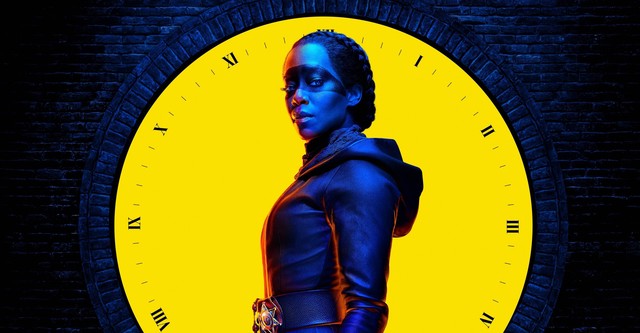

What a bold move this was from writer and creator Damon Lindelof and HBO a few years back – attempting not only to adapt Alan Moore and Dave Gibbons’ seminal masterpiece Watchmen, but to use it as the foundation for something original within its lore. The new story is set decades after the original events and shows a radically altered USA where racial violence, government conspiracies, and the remaining masked heroes collide. Regina King’s Angela Abar, aka the masked Sister Night, is drawn into a mystery surrounding the original Watchmen and the rising threat of white supremacy and vigilante justice.
This iteration of Watchmen is a tough watch – not because it is difficult to enjoy, but because it is incredibly detailed and full of intricate layers that expand the story superbly while never forgetting the fundamentals of the original. It tackles moral ambiguities surrounding politics, power, and control with considerable intelligence. A complex, ambitious series, Watchmen is as politically charged as its predecessor, as well as endlessly compelling and surprising.


