
As we enter the final stretch of the 2025/26 awards season, there’s still a surprising amount of wiggle room in some of the top races. Naturally, a lot of the fog will have cleared by the time that BAFTA, the WGA, the PGA and the DGA all hand out their respective gongs, but there’s a growing sense that some of these categories are about to go down to the wire—at least more of them than in any other recent ceremony.
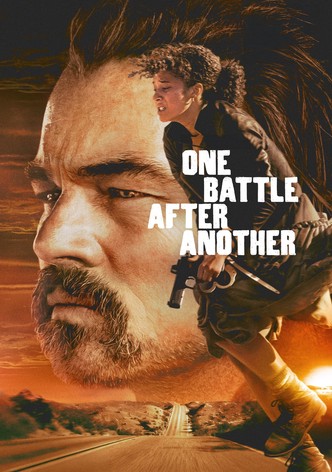
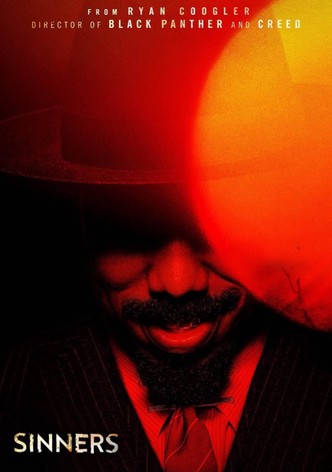
At time of writing, Jessie Buckley looks like a lock for Best Actress, but everything from Actor (Leo v Chalamet), male and female Supporting Actor (Penn v Stellen v Elordi v Benicio; Madigan v Taylor) to Best Picture (One Battle After Another v Sinners v Hamnet), and various others, all remain at least somewhat up for grabs. The most intriguing case will be Best Director, a category currently split between the respective filmmakers of those Best Picture nominees: Paul Thomas Anderson, Ryan Coogler and Chloe Zhao—any one of whom, in their own way, would represent a historic win.
Let’s take a deeper look at the story here and use the guide below to find links to the movies we mention on services like Apple TV, Netflix, Prime Video and elsewhere.
Why is Best Director This Year’s Most Important Oscars Category?
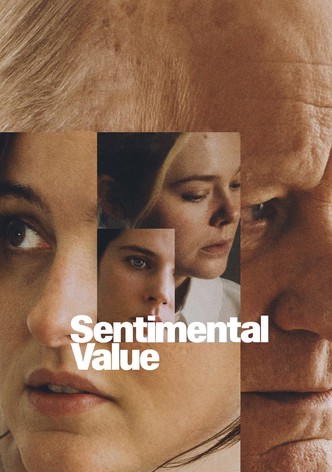
As has been the case in recent years, the 2026 Best Director category is arguably the most diverse of the major awards. Of the 20 acting nominations, a record four have gone to non-English language performances this year. Three of those have gone to Joachim Trier’s Sentimental Value, which is perhaps a little less significant than it sounds.
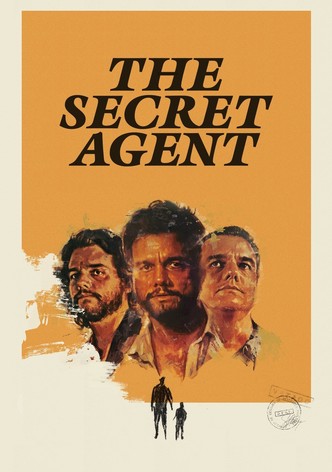
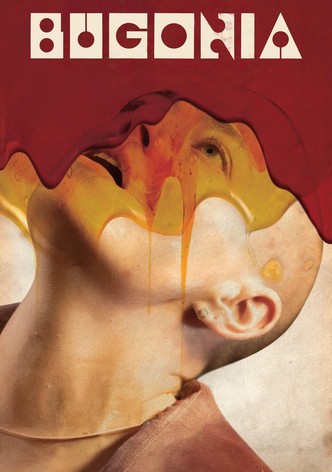
The real history could be made in Trier’s category where, despite him being the only non-American (Zhao is Chinese, but her work has almost always chronicled American lives) filmmaker in the running, after Park Chan-wook (No Other Choice), Yorgos Lanthimos (Bugonia) and Kleber Mendoçha Filho (The Secret Agent) failed to make the cut, nationality will not be the most interesting factor. The smart money is still on Paul Thomas Anderson, a contemporary legend of American cinema who has somehow never won a single Oscar in his career—though he will likely have picked one up for Original Screenplay by the time that Best Director is awarded on the night.
The more historically significant outcome would be if Zhao or Coogler were to take the prize. If the Hamnet director wins on March 15, she would become the first woman to win two directing Oscars after becoming only the second of three women to win the award in its admittedly shameful history (as she did for Nomadland in 2020) and, so far, the only woman of colour. With respect to Chloe Zhao, the most historic win would surely be Ryan Coogler, as the Black Panther and Creed director would become the first Black filmmaker, male or female, to ever take home the Best Director Oscar. Expect a thunderous ovation if he pulls it off.
Is the Best Director Category Usually This Unpredictable?
In a word: yes. Trier, being the only non-American-based filmmaker among this year’s nominees, is actually quite uncommon. The directors’ voting body tends to recognise two or three of their international colleagues each year. In fact, the last time that four Americans competed, in 2019, they all ended up losing to Bong Joon-ho for Parasite. Moreover, when Sean Baker won for Anora last year, he became only the fourth American to receive the prize since 2009—and two of those winners were the “Daniels” of Everything Everywhere All at Once.
The reason for this is that the DGA, the group that decides who gets nominated, has a reputation for being a little more aware of international cinema and, like the documentary section, considers itself a little more high-brow. This is why so many international nominees have made it in here in the past, which used to be especially noticeable in the years when there were only five Best Picture nominees. Now, as the Academy’s focus moves away from L.A. to places like Venice and Cannes, and more and more international films start to feature in the biggest races, don’t be surprised if this becomes the norm in most categories.
Who’s Going to Win Best Director at the 2026 Oscars?
Given that Chloe Zhao has already won, and did so quite recently, my gut tells me that it’ll be either Paul Thomas Anderson or Ryan Coogler’s night. A classic Oscar move would be to split Best Picture and Best Director between the two movies, although usually when this happens, the more normy film takes Picture with Director going to the more “auteur” option—in previous years, this meant Picture going to middlebrow movies like Shakespeare in Love and Crash while masterpieces like Saving Private Ryan (Steven Spielberg) and Brokeback Mountain (Ang Lee), respectively, had to settle for the slightly lesser prize.
The trouble with this comparison is that Sinners and One Battle both fall into the latter category, with Hamnet the closest thing to the kind of ‘Oscary’ period piece that the older demographic of voters used to favour in those circumstances. It’s emblematic of where the Academy is at since diversifying its voting body that we’ve been left with this particular two-horse race at all.
In my heart of hearts, I still think Anderson’s movie has the edge for both of these awards, but if One Battle and Sinners end up splitting the younger votes, there is every possibility that Zhao sneaks in—an event which would ironically leave Steven Spielberg (who is nominated as one of Hamnet’s producers) winning out over the recognised cinephile options just like he once lost out to Shakespeare in Love.
Whatever happens, we might finally have an Oscar race worth losing sleep for.