What Is Visual Muzak? How An Annoying Smartphone Habit Is Ruining Streaming

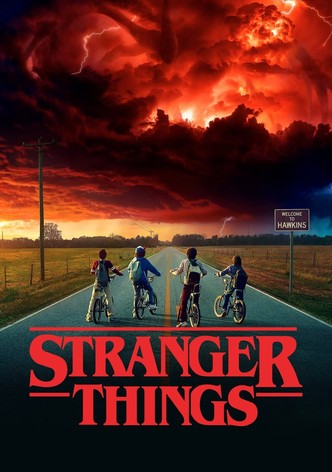
Since streaming sites like Netflix entered the small screen space, concerns about how it'd change the viewing experience have been loud and understandable. The age of binge-watching a television show versus watching episodes weekly has taken away patience and forced people to forget about the art of allowing narratives to unfold organically. We've forgotten how to sit with things and now focus solely on instant gratification. At the same time, there's certainly a plus side to streaming and how a piece of media can be contained to a specific period while still having a substantial impact on the public, like Stranger Things (2016), particularly during its debut season.
But the COVID-19 pandemic and the rise of social media apps focusing on 12-second videos have also done damage to attention spans. Now, streaming sites are well aware of the fact that people are likely doom-scrolling while watching TV, so they're doubling down on plot repetition and essentially spoon-feeding the audience with something called Visual Muzak.
Visual Muzak, Explained
Whether you're at a local coffee shop, a grocery store, or maybe even in the elevator, there's music around you. Since 1934, Muzak has been an American creation from Mood Media for background music. There's certainly a plus side to this, as ambiance can indeed be helpful for focus and perhaps even a distraction. The Mozart trick really does work when you're cramming for that test and need to focus. Our teachers were clearly right about that. Plus, it's nice, who doesn't want background music?
But place the word visual in front of it, and we lose the art of storytelling on so many levels. The idea that a movie should first be seen in a theater isn't something that is accessible for every person, but this doesn't mean that the change in our economy or individual challenges should affect the art itself, and that's exactly what's happening with the urge to implement Visual Muzak into the fiction that is produced.
If you watch TV and film on a daily basis, there's a large chance that you've noticed this change in dialogue but couldn't quite put a finger on it. I first got proof of it when actress Jameela Jamil went on "The Romesh Ranganathan Show" and talked about how executives are indeed simplifying the plot with the knowledge that people are on their phones, and thus they can still follow along. And even more recently, longtime collaborators Matt Damon and Ben Affleck talked about the very same thing on the "Joe Rogan Experiment" while promoting their new movie, The Rip (2026).
What Does This Change Mean For the Future of Streaming?
When Heated Rivalry (2025) took the world by storm at the end of last year, there were countless conversations about how different the Canadian production is compared to what we're used to here in the States. But if you're also someone who watches British productions, K-dramas, or anything that's produced elsewhere where the episode count is limited, you'll notice that the quality of content is still indescribably profound. The use of time and space in these productions is exactly what makes them stick the landing, and Affleck even brought up the success of Adolescence (2025) and how a series like it is indeed unique nowadays.
What this essentially means is that these productions trust not only their craftsmanship but also the audience. Jacob Tierney knew that book fans and romance fans alike would be paying attention to every little detail in Heated Rivalry, whether the moment is big or small. It's not the plot that needs repetition, but the creators should trust their audience to recognize the importance of a prolonged close-up shot that follows a beat of silence. We should be focusing on the small shift of a character's expression, even if no words are exchanged. We should be able to tell why a kiss in Episode 2 is different from a kiss in Episode 4 without the dialogue telling us.
"Show, don't tell" has been a perpetual talking point in the media for the longest time because viewers want to watch the seemingly unimportant set piece come back in the finale and allow us to realize its vitality all along. Sure, perhaps the people who are consistently on their phones doom-scrolling while also watching television might not notice what's happening to the quality of content they're consuming, but the critics, filmmakers, and die-hard fans will catch it all. We already did during the final season of Stranger Things, which, instead of being the most unforgettable arc, became the most lackluster. This irritating habit is changing the way far too many people are consuming media, and it's heartbreaking to think of all the small but meaningful moments we'd miss out on with constant repetition of the plot.
Streaming, in and of itself, is indeed a gift. I love that I can watch reruns of old classics wherever I want, without searching for a guide to see where it's playing, at what time, and which episode. There are benefits to having so many of our favorite properties at our fingertips, but the future of classics is dire when people are having a hard time focusing on a two-hour movie, let alone an entire 22-episode season. How we're consuming media will change drastically if this continues to happen, and the benefits of streaming will likely somehow lead us back to the days of cable television. Or, God forbid, everything will be on our phones, and that's simply not how TV or movies should ever be consumed. You don't need an in-home theater with surround sound to appreciate the film or TV show, but we do need to consume content that's made with artistry in mind, as opposed to consumer habits.