7 Horror Sequels That Are Way Better Than The Originals

In the horror genre, sequels usually fall into the trap of rehashing the same tired old scares until viewers go numb with boredom. But sometimes a follow-up comes along that sharpens the terror, deepens the story, and even eclipses the original.
These sequels, which can be found on Netflix, Hulu, HBO Max, and more, prove that sometimes the second (or third) stab is the deadliest. From survivalist nightmares to a haunted doll's origins, here are seven horror follow-ups that deserve the spotlight.

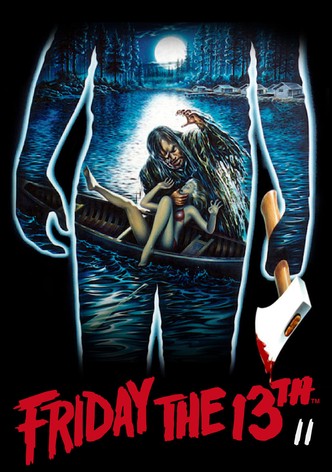


The first Friday the 13th (1980) introduced audiences to Camp Crystal Lake and a grieving mother turned killer, but the real horror icon wasn't revealed until the sequel. Friday the 13th Part 2 gives us Jason Voorhees (Warrington Gillette and Steve Daskewisz as masked and unmasked versions of the character, respectively), who would go on to define slasher cinema.
The sequel turns up the suspense with more creative kills, a faster pace, and the eerie presence of Jason lurking in the woods. It transforms the simple whodunit premise from the first film into a full-fledged slasher franchise. Friday the 13th Part 2 is perfect for fans who loved the origin of Jason's legend from the first film, but crave a nastier, scarier slasher ride.





While Cloverfield (2008) was a found-footage kaiju experiment, 10 Cloverfield Lane took the franchise in a bold new direction with claustrophobic psychological horror. Mary Elizabeth Winstead plays Michelle, a woman trapped in a bunker with the unsettling Howard (John Goodman), who insists the outside world is uninhabitable.
The film uses paranoia to give viewers the creeps, shifting between suspense thriller and survival horror before delivering a shocking sci-fi twist. By grounding the terror in human manipulation, the film feels tighter and more impactful than its predecessor, making it ideal for anyone who prefers dread-soaked tension over shaky-cam spectacle.





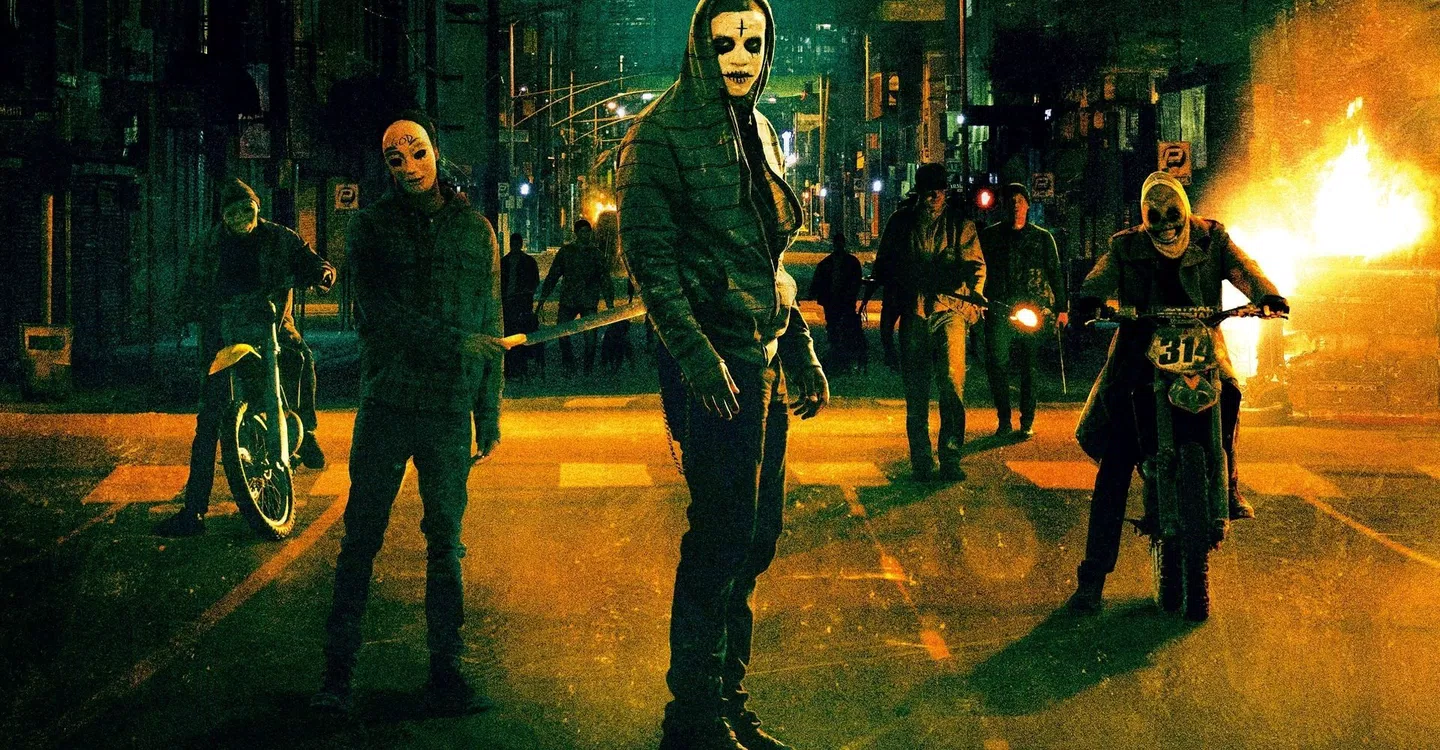
The Purge (2013) toyed with a provocative idea of what would happen if all crime were legal for just one night a year. But it confined the chaos to a single family's home. The Purge: Anarchy blows the doors open, showing us the terrifying streets of Los Angeles during Purge Night.
Led by Frank Grillo's brooding antihero, Leo Barnes, the film turns into a survival thriller, with groups of strangers banding together against masked killers, militias, and corrupt elites. With its social commentary sharpened and the world-building expanded, Anarchy delivers the true potential of the franchise. The movie is best suited for viewers who like their horror infused with action and a little political bite.




The original Ouija (2014) revolved around the titular board game and the spirits that are unintentionally summoned because of it. Then director Mike Flanagan (The Haunting of Hill House) transformed the prequel into a chilling 1960s period piece dripping with atmosphere. The sequel follows a widowed mother and her daughters, who stage fake séances, but the story takes a sinister turn when the youngest child becomes possessed by a dark spirit.
With careful pacing and elegant scares, Ouija: Origin of Evil is one of the rare horror prequels that surpasses its inspiration by miles. It is an excellent choice for fans who prefer their supernatural horror with a dose of real heart.


The Conjuring (2013) spin-off Annabelle (2014) felt a little bland with predictable scares. Annabelle: Creation, however, breathed terrifying new life into the possessed-doll mythology. Set in a remote farmhouse, a group of orphaned girls move in with a grieving couple, only to discover the sinister secret behind their late daughter's doll.
Compared to the original, director David F. Sandberg crafts a brilliant haunted house tale that uses dread and inventive set pieces for its scares. The result is a story with likeable characters that feels intimate and somewhat operatic. It is a must-watch for anyone who loves slightly gothic, demon-centric horror.



The first Saw (2004) became a massive hit for its shocking twist, but Saw II elevated the concept into a full-scale horror game. Instead of two men trapped in a bathroom, we get a house filled with victims forced to play Jigsaw's deadly games. But viewers should be aware that this is definitely not a movie for the faint hearted.
With higher stakes, crueler traps, and a stronger ensemble cast, Saw II expands the mythology while doubling down on the moral dilemmas that define the series. It's grittier, smarter, and more intense than the original, which makes it a must for anyone who enjoys puzzle-box horror with brutality that never flinches.

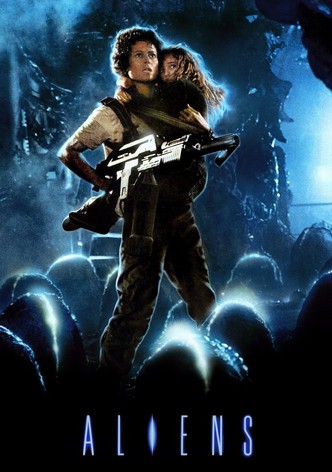
Ridley Scott's Alien (1979) redefined sci-fi horror when the crew of a commercial space tug, Nostromo, find themselves at the mercy of an unknown creature. James Cameron's Aliens takes that foundation and amplifies it into a relentless action-horror spectacle. Aliens sees Sigourney Weaver's Ellen Ripley return to lead a squad of marines into battle against an entire hive of Xenomorphs.
Mixing pulse-pounding combat with themes of motherhood, trauma, and survival, Aliens isn't just bigger than the flagship movie. It's richer and more emotionally resonant, balancing spectacle and substance to perfection. The movie is ideal for viewers who want horror, adrenaline, and an iconic heroine at the peak of her power.