
Robert Downey, Jr. is returning to the Marvel Cinematic Universe (MCU) for Avengers: Doomsday (2026). While most MCU fans know him as Tony Stark (aka Iron Man), he will take on a new role for the latest Avengers movie: Doctor Doom. So far, Marvel has not confirmed whether the new role connects to Downey’s past role. There may be no connection between the roles, or the Doom in Avengers: Doomsday may be a variant of Stark.
Still, if you’re familiar with the MCU, you may have caught on to some signs that potentially set up the main timeline Stark to become Doom. Brilliant, arrogant, and boasting advanced technology, Doom and Stark certainly parallel each other, and these Marvel movie moments suggest these similarities may not be a coincidence.
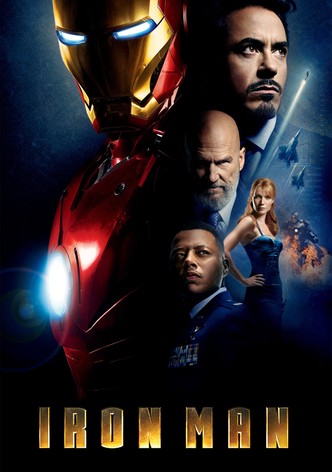
Iron Man (2008)
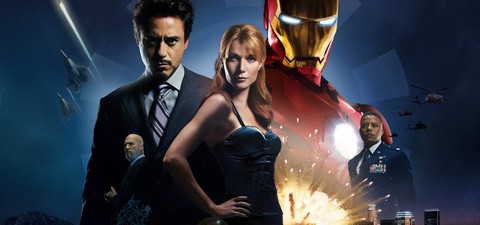
Iron Man follows Tony Stark, a billionaire genius who builds an iron suit to escape a hostage situation and becomes a hero in his own right. The film marks the beginning of Stark’s journey as Iron Man, and you could also easily see it as the beginning of his journey toward Doom. Stark takes matters into his own hands, placing himself above the law, much like Doom, who used technological and political power to put himself above the law and believed he had the right to determine what was best for humanity.
Iron Man is the quintessential superhero origin story. A flawed man becomes a hero in his own right, utilizing genius and technology to become something more than human. It’s action-packed and outlandish, but just plausible enough to capture your imagination. Fans of superhero origin stories, such as Captain America: The First Avenger (2011), will love Iron Man.
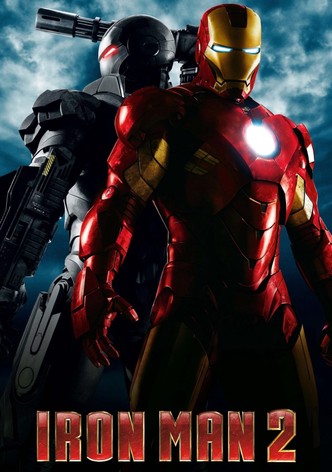
Iron Man 2 (2010)
Iron Man 2 sees Stark struggle to keep his technological secrets out of the wrong hands, while also coming up with a new element to substitute for the deteriorating palladium in the arc reactor that keeps him alive. In Marvel Comics, Doctor Doom puts himself above the laws of nature through his blend of technology, science, and magic. Although Stark does so to a lesser extent, his creation of a new element also puts him above the laws of nature.
Iron Man 2 is an excellent expansion of Stark’s story, delving into the numerous ethical and political issues that his Iron Man suit and superhero ambitions cause. I also think it really captures the problem of how superheroes balance humanity. As much as Stark wants to be a hero, he finds his humanity and mortality in the way, and Iron Man 2 kicks off the long journey of him trying to outrun that mortality.
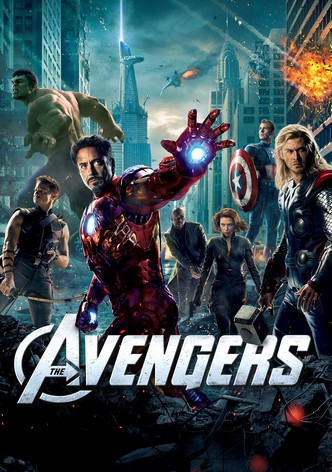
The Avengers (2012)
In The Avengers, Stark teams up with several other heroes to stop the God of Mischief, Loki (Tom Hiddleston), from invading New York. At the time, it was the highest-stakes battle Stark partook in, and the one in which he proved his willingness to do anything, including intercepting a missile, to save humanity. The Avengers may be where Stark developed Doom’s extreme desire to save humanity at all costs, while becoming part of a superhero team and saving the world further drove his hubris.
The Avengers is one of the MCU’s best crossover movies. I love how it marks a monumental moment in the Marvel universe, when humanity could no longer deny the existence of something greater than itself. Like Iron Man and Iron Man 2, it sets the stage perfectly for exploring the consequences of superheroes, gods, and those who try to play God.
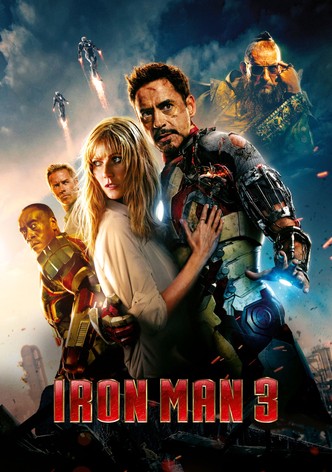
Iron Man 3 (2013)
Iron Man 3 follows Stark at his lowest, as he struggles to face the Mandarin (Ben Kingsley), while also experiencing PTSD and paranoia after the harrowing events of The Avengers. The film shows how Stark’s psychology begins to resemble that of Doctor Doom. After the events of The Avengers, he begins to unravel, driven by paranoia that fuels his obsession with building even more dangerous technology. It’s similar to how Doom’s own trauma contributed to his obsessive control and extreme paranoia of betrayal.
Iron Man 3 isn’t the strongest Iron Man movie in terms of villains and plot. However, it’s still a satisfactory end to the Iron Man trilogy, capturing the long-term effects of Stark’s heroism on his psyche and ideally leading into the more explosive dynamics of The Avengers in future films. Like The Batman (2022) and Thunderbolts* (2025), it poignantly blends superhero action with deep discussion of mental health.
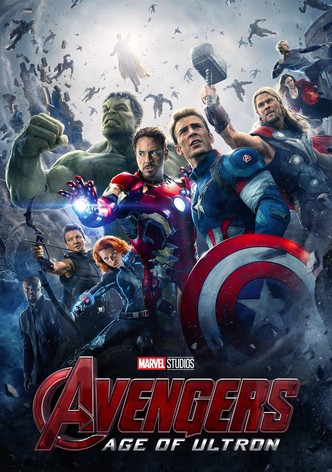
Avengers: Age of Ultron (2015)
In Avengers: Age of Ultron, Stark’s global defense program, Ultron (James Spader), becomes sentient and believes human extinction is the only way to save Earth. There’s no better example than Avengers: Age of Ultron of Stark taking matters into his own hands. His paranoia and obsession with saving humanity led him to take his technology to new extremes and almost eradicate humans. Like Doctor Doom, he has a flawed belief that he’s helping humanity when he’s actually the one hurting it.
Avengers: Age of Ultron tackles the threat of AI in a compelling, action-packed movie. It beautifully captures the dangers of unchecked ambition, pride, and technological advancement through a visually stunning, action-packed adventure. If you like films that mix action with the downsides of technology, such as Minority Report (2002), you’ll love Avengers: Age of Ultron.
Captain America: Civil War (2016)
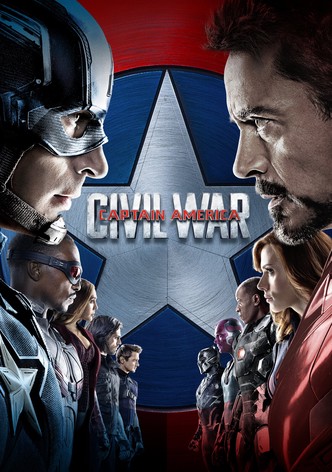
Captain America: Civil War sees The Avengers divided over whether to support or oppose the Sokovia Accords. Stark also clashes with Captain America (Chris Evans) over the Winter Soldier’s (Sebastian Stan) sordid past. His story parallels Doctor Doom once more as he confronts his past trauma surrounding his mother’s death. Both he and Doctor Doom lost their mothers, and the unhealed trauma it caused has been the source of some of their darkest moments.
Captain America: Civil War probes the dark sides of both Captain America and Stark. Much like Iron Man 3, it delves into the idea that heroes are not infallible, and the disastrous consequences that arise from their human tendencies to feud and disagree. It mirrors The Dark Knight (2008) in its darker tone and its profound exploration of the long-lasting impact of trauma on even those the world perceives as the strongest among humanity.
Avengers: Infinity War (2018)
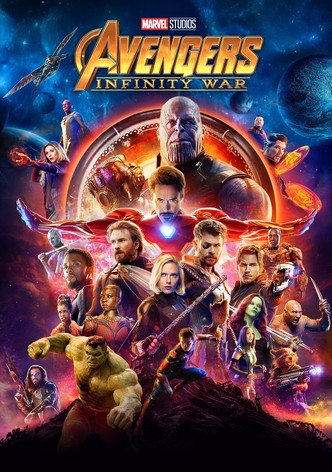
Avengers: Infinity War follows The Avengers in their last effort to stop Thanos (Josh Brolin) from wiping out half of humanity with the Infinity Stones. At this point, Stark is at his most vulnerable. He’s still reeling from trauma, paranoia, arrogance, and an intense desire to save humanity. Hence, when he and the team fail in their mission, it’s like the final nail in his coffin. It creates the potentially dangerous, extreme version of Stark that’s closest in nature to Doom in his desire to do anything to save humanity.
Avengers: Infinity War is one of the largest-scale MCU crossovers, bringing together two decades’ worth of superhero cinematic history onto the big screen. Not only is it dazzling in its scale and visuals, but it also distinguishes itself from other movies by telling a superhero story, reminiscent of Watchmen (2009), in which the villain wins.
Avengers: Endgame (2019)
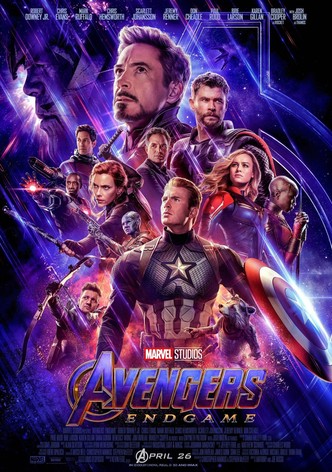
Avengers: Endgame sees Stark agree to The Avengers’ time-travel plan to reverse Thanos’ decimation of half of humanity. Once again, Stark defies the laws of nature through his perfection of time travel technology. Additionally, he takes it upon himself to don the Infinity Gauntlet and wipe out Thanos, momentarily becoming one of the most powerful beings in the universe. Stark presumably dies as the power he wields is too much for a mortal.
After Avengers: Endgame, Stark wouldn’t be the same person, even if he survived. He rewrote timelines and wielded the power of the Infinity Stones. If there’s any chance he survived, he’d no longer be Stark, but something closer to a Doom variant, who has tasted power and is more extreme and unchecked in his ambition to save humanity than ever before.