
10 Deleted Scenes That Completely Change Your Favorite Movies

No movie ever comes together with too much ease, as there are plenty of changes that can go into effect during production. This can lead to entirely different cuts of films, with scenes tweaked, altered, or fully removed from the finished product. Sometimes, it’s done for the sake of pacing, like when Dudley’s farewell to Harry was removed from Harry Potter and the Deathly Hallows (2010). Other times, it can feel unnecessary, like with Gamora’s vision of a Thanos-aligned self in Avengers: Infinity War (2018).
Oftentimes, the deleted scenes don’t add anything to the film or change too much of the overall narrative. Sometimes, though, the deleted scenes can radically alter the tone of a movie, whether it’s giving the story a more somber edge, affording the heroes a happy ending, or radically changing the motivations of characters. Here are 10 deleted scenes that would have radically changed your favorite movies. While you’ll probably need the Blu-ray to watch them or rely on YouTube, you can watch each of these films in their final versions on streamers like Hoopla, HBO Max, and more. Spoilers ahead!

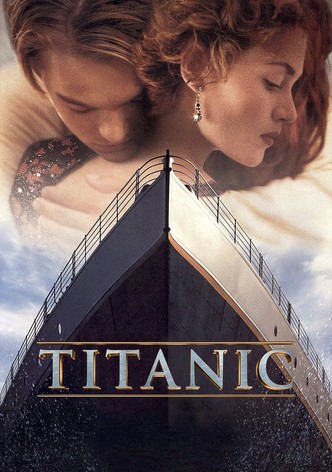


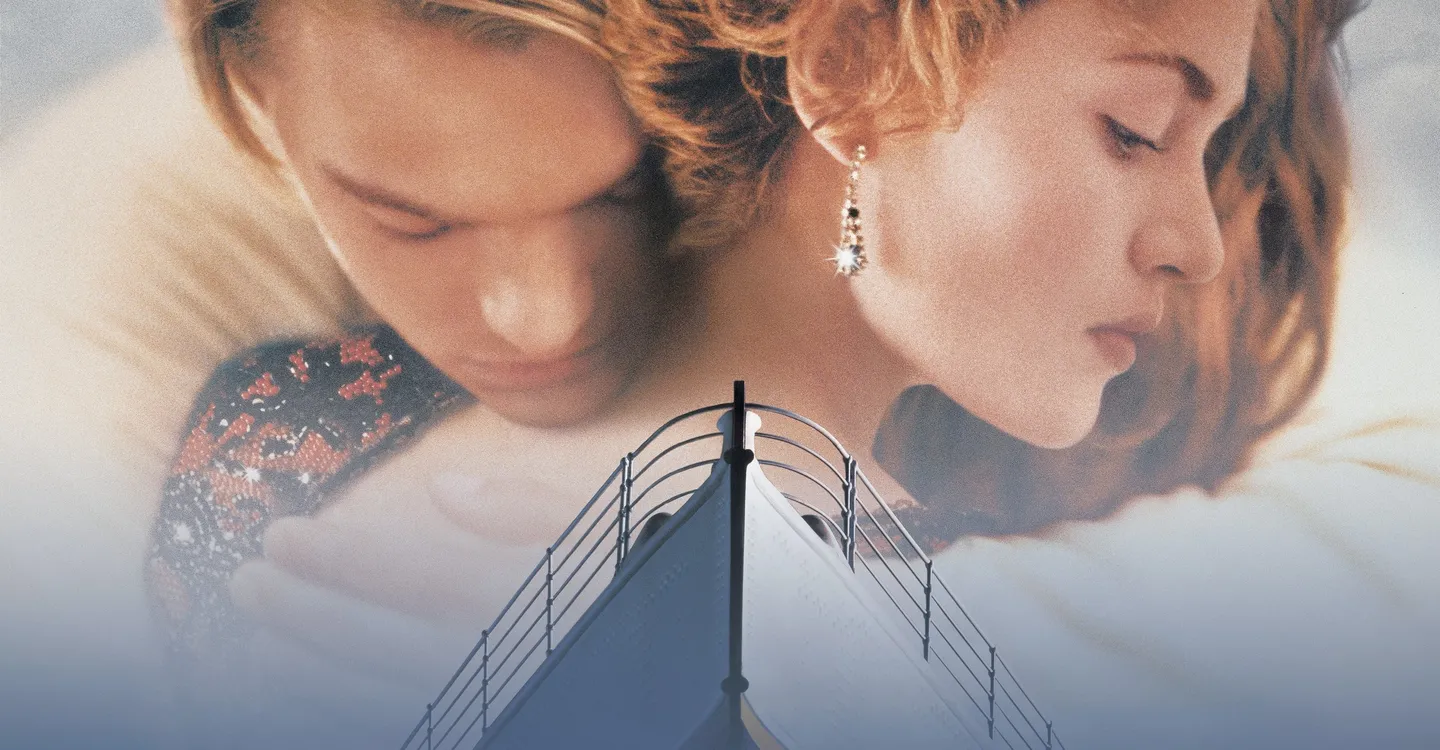
The alternate ending of Titanic completely changes the final beat of the film, giving it a very different vibe. In the blockbuster romance directed by James Cameron, an elderly Rose walks to the deck of Brock’s boat and quietly drops the invaluable Heart of the Ocean (a jewel she secretly kept as a keepsake of her time on the ship with Jack) into the ocean. It’s an emotionally powerful moment that focuses on her, while the alternate ending includes Brock and Rose’s granddaughter seeing her take the action.
The different endings completely change Rose’s final motivation in the film, as either a moment of peace or a defiant brush against another man who wanted what they couldn’t have. While Avatar (2009) may have surpassed Titanic in terms of box-office sales, the raw emotion of Rose’s scene on the boat is effective in both forms—if also radically different from one another.
















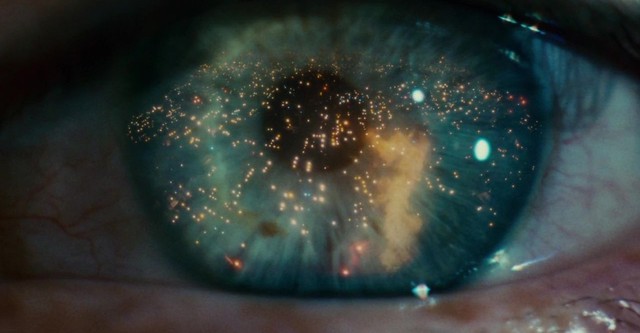
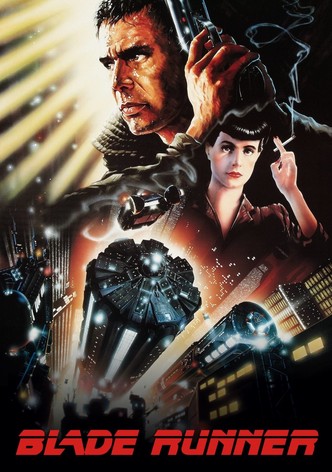
Blade Runner has one of the most infamous examples in film history of alternate cuts. As Ridley Scott’s follow-up to Alien (1979), Blade Runner is an audacious and ambitious adaptation of Phillip K. Dick’s novel, Do Androids Dream of Electric Sheep?. Over the years, there have been seven different edits of the movie, owing to studio interference with the film. Most notable is the happier ending of the movie’s theatrical cut. In that version of the ending, Deckard and Rachael drive off into the sunset, leaving Los Angeles behind.
Released a decade later, Ridley Scott’s director’s cut made several changes from the original version of the film and was eventually followed by “The Final Cut” in 2007. The altered versions of the story end on a more ambiguous note, along with the possibility still open that Deckard could be a Replicant. While both of them technically work in the lead-up to Blade Runner 2049 (2017), they each give the film a different closing note that impacts how audiences leave.

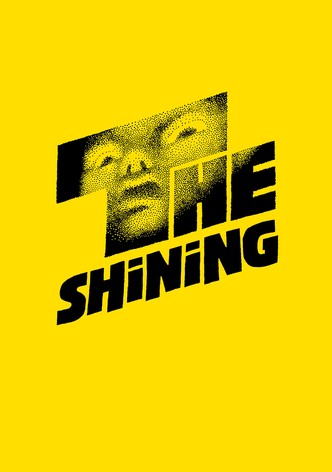
Based on the Stephen King novel of the same name, The Shining took a lot of horrifying liberties with the source material to deliver a haunting experience not quite like anything else in cinematic history. This slow-burning and atmospheric approach to horror isn’t for everyone, including Stephen King, who balked at many of director Stanley Kubrick’s changes to the story. This includes the climax, which sees Wendy and Danny escape a raving Jack before he freezes in the snow. King’s original ending saw Jack regain his senses long enough to set the boiler room to explode.
Fans of this ending saw a version like it in the sequel Doctor Sleep (2019), but The Shining almost had a tweaked ending that would have tried to have it both ways. In the other ending, Stuart Ullman, the Overlook manager who hired Jack in the first place, visits Wendy and Danny at the hospital. The scene has Ullman suspiciously dismiss what they’ve seen and give Danny back the ball he left in Room 237. This would have more openly confirmed the supernatural elements of the film, which would have also gone against the more ambiguous scares throughout the story.


The third film in the larger series and the conclusion of the original trilogy, Pirates of the Caribbean: At World’s End, brings the adventures of Jack Sparrow, Will Turner, and Elizabeth Swann to a grandiose end. The film leans into the moral ambiguity of Jack as long as it can, leading to the emotional climax of him giving up his possible immortality to save Will. However, this noble choice would have been more obvious if the film had kept a deleted scene revealing Jack’s origins.
During a conversation with the villainous Beckett, Sparrow would have been revealed as a merchant sailor for the East India Trading Company, who refused to transport slaves. While this had some advantages, such as filling in the dots as to why Jack had bargained with Davy Jones in the first place, the scene would have undercut the more shady elements of the character needed to keep the tension going throughout this Disney movie, perfect for action-adventure fans.






Star Wars: Episode IV - A New Hope works in large part because of just how grounded it makes the sci-fi elements, lending it a grimy element that other works in the genre can struggle to replicate. A great example of this is on the planet of Tatooine, where crimelords like the Hutts and bounty hunters like Boba Fett are just as dangerous as Darth Vader and the Empire.
Jabba the Hutt was teased for two movies in the original theatrical releases of the Star Wars trilogy, before making his debut in Return of the Jedi. However, a deleted scene from the first film would have introduced a human version, trying to intimidate Han before he departed. On top of messing with the pacing and removing the mystery of Jabba, this scene takes too much of the alien out of the story. Without that delicate balance, the Star Wars franchise might have fallen off its center and not become the pop culture bedrock it is today. If you love sci-fi movies, you can’t do much better than A New Hope, the film that started it all.


The first Rambo movie is still the best in the series, but it was almost the only one, given the original ending of First Blood. The post-Vietnam film is a harrowing survival story about a veteran who finds himself reverting to a soldier’s mindset when a police officer accosts him. It’s a harsh thriller that reckons with the impact of the conflict, similar to how The Deer Hunter (1978) and Full Metal Jacket (1987) also explore the fallout of war.
In the theatrical release, John Rambo turns himself in, setting up his return in the increasingly jingoistic sequels that transform the character into a more action-heavy figure. In the original ending, though, Rambo forces the military’s hand in a bid to get himself killed, ending his suffering in tragedy. It’s probably a more fitting and somber conclusion to the story. Still, the canon climax, where Rambo gives up, also features a truly heartwrenching performance that remains one of Sylvester Stallone’s best cinematic moments to date.








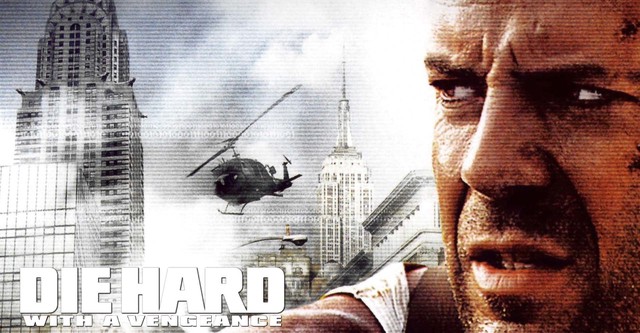
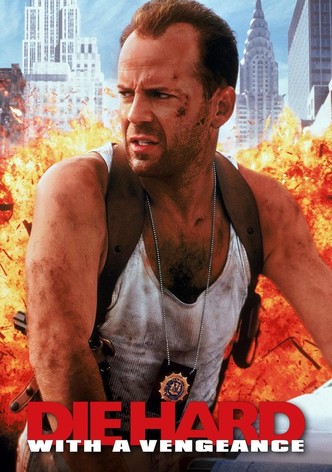

The harsher third sequel to Die Hard (1988), Die Hard with a Vengeance, is a meaner film than the first two entries in the series. Centering John McClane at one of his lowest points and forcing him to team up with an irate Harlem store owner to confront the brother of Hans Gruber, the film retains just enough heroism and smart-mouthed charm to be fun. However, the alternate ending would have transformed McClane into a much worse figure.
This ending sees Simon escape with the gold, only for McClane to find him sometime later in a much worse place, as the NYPD have fired him out of suspicion that he was involved in the heist. This leads McClane to play a game of Russian Roulette with Simon, ending the film by killing the villain. It’s a grim finale that removes the more grounded human side that helped McClane stand out from other action heroes.


Iron Man 3 has a lot of fun with the Marvel Cinematic Universe, fusing a tense thriller with Shane Black’s sense of wit and eye for clever action. One of the film’s big subversions is the introduction of the Mandarin, a classic Iron Man villain from the comics, reimagined as a purposefully tacky “terrorist” who was actually an actor. This reveal for Ben Kingsley has turned into a recurring character in the MCU, with the character of Trevor Slattery reappearing in Shang-Chi and the Ten Rings of Power (2021) and Wonder Man (2026).
However, the character almost met a much quicker and darker end in a deleted scene from Iron Man 3. In the scene, which made it to storyboards, Trevor would have arrived at the final battle having infected himself with the Extremis tech, only to have it cause him to explode. The scene would have brought too much dark levity for the climax of the film, which already has some goofy action moments sure to delight superhero fans.

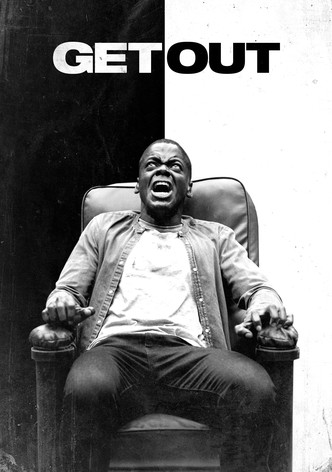
Get Out was the film that transformed Jordan Peele from a comedic mainstay to a revered horror director, but he retained enough of his silly side to turn a TSA punchline into a means of giving his movie a happier ending.
In the original version of Get Out’s ending, Chris escapes the Armitage family but is found by the police while choking out Rose, leading to his arrest. It’s a somber finale for the movie, but one that Peele ended up changing. Instead, his best friend Rod comes to the rescue, with his TSA experience helping him save the day. It gives the film a softer edge, something that Peele has gone back and forth with in his other films Us (2019) and Nope (2022).








Kevin Smith’s debut film, Clerks, is one of the most successful indie flicks of all time—and it almost came with a much more somber ending. As the beginning of the View Askewniverse, Clerks is a fairly grounded comedy about the two titular clerks, guys in their 20s who find themselves pondering life’s great mysteries while working boring 9-to-5 jobs.
It’s a fairly lighthearted comedy with some heavier moments, full of crass beats and surprising heart. However, it would have all come to a heartbreaking crash in the final moments, as the original ending saw Dante shot and killed in a robbery at the end of the night. Instead, the film ends with Dante closing up the store, allowing him to get a greater expansion in Clerks 2 (2006) and Clerks 3 (2022). Kevin Smith’s entire career might have been different if he hadn’t ended the film like that, and indie comedies in turn might have been shifted without the film’s impact on the era.


