
The ending of Stranger Things (2016), after nearly a decade-long run, has renewed interest in the topic of movie and TV show endings and what makes a good one. The series employed a few controversial tropes, including the heroic sacrifice and bittersweet ending, and quickly divided fans over its effectiveness.
While many series and movies shy away from tropes and familiar endings, they’re not always a bad thing. When executed correctly, some of the most controversial ending tropes, such as “it was all a dream,” can actually be quite good. Use our guide to find five controversial ending tropes and the movies and/or shows they worked for and didn’t work for.
Trope: Everyone Dies In The End
Worked: Final Destination: Bloodlines (2025)
The trope where everyone dies in the end doesn’t work well for many shows and movies, simply because it’s too bleak and disappointing. The Final Destination franchise frequently uses the trope with varied results, but Final Destination: Bloodlines is the most adept at utilizing it while avoiding predictability and disappointment. The film draws from pre-established lore to make viewers genuinely believe Stefani (Kaitlyn Santa Juana) and Charlie (Teo Briones) escaped Death due to Stefani’s resuscitation after drowning.
In the final moments, though, we realize that Stefani technically didn’t die and, hence, Death strikes at the last second. Despite its formulaic franchise, Final Destination: Bloodlines still managed to trick viewers. The revelation that they die anyway isn’t bitter but almost amusing, given how the franchise has established itself. It’s the kind of movie where you can chuckle that it tricked you without feeling too bad that everyone’s dead.
Didn’t Work: The Umbrella Academy (2019-2024)
Across The Umbrella Academy’s four seasons, viewers came to love the Hargreeves siblings. Many saw themselves reflected in this story of adults who, despite their trauma and differences, have the opportunity to rebuild their lives and connections to one another. Hence, it hurt quite significantly when the final episode revealed that the Hargreeves didn’t get their happy ending, but had to wipe themselves out of existence because they kept causing the apocalypse.
It seemed The Umbrella Academy was trying to convey the heroic sacrifice trope, but it didn’t quite work in this story. The story was about people who’ve experienced trauma rebuilding their lives, but suddenly the ending seems to say that they’re fundamentally wrong and shouldn’t exist. I personally would’ve preferred that Season 3’s ending be the finale, where things aren’t quite happy or alright, but they learn to keep living and make the most of their circumstances regardless.
Trope: It Was All A Dream
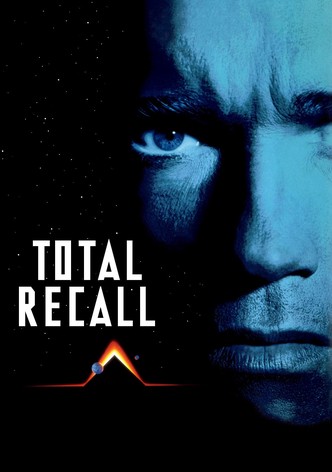
Worked: Total Recall (1990)
Total Recall demonstrates how the “it was all a dream” ending can serve as a mind-bending conclusion in sci-fi. One reason it works so well is that it prepares viewers for such an ending. Like Inception (2010), Total Recall delves heavily into memory manipulation with a twisty premise in which viewers are never quite certain what’s real and what’s an implanted memory. Although it raises the idea that the story is all a dream, Total Recall leaves the ending ambiguous enough for viewers to interpret.
The film doesn’t force viewers to accept that the story is a dream. As a result, it has sparked lively debate among fans over whether it’s real or a dream. If Total Recall is all a dream, it fits the plotline incredibly well. However, there’s also just enough ambiguity that, if you don’t like the dream trope, you don’t have to see it as such.
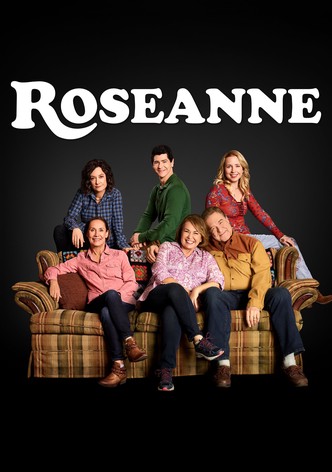
Didn’t Work: Roseanne (1998-2018)
Before its revival, Roseanne ended its nearly decade-long run with one of the most bizarre renditions of “it was all a dream.” In the original finale, Roseanne Conner (Roseanne Barr) reveals that the entire final season is actually a dream. Essentially, she concocted a dream about her family winning the lottery to avoid facing the difficult realities of her life, including the death of her husband, Dan (John Goodman), who actually died at the end of Season 8.
Most viewers’ reactions to that ending were, “What?” Instead of getting a proper conclusion to the stories of the characters they loved, they're told that Season 9 isn’t real, and their favorite character is actually dead. Roseanne totally derailed in Season 9, and the finale felt like one last feeble attempt to save face, but it only made fans angrier.
Trope: They Were Dead All Along
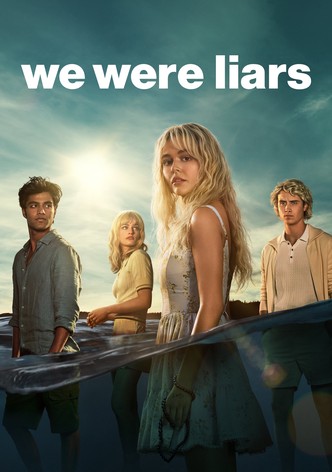
Worked: We Were Liars (2025-Present)
The revelation that the main characters were deceased all along is an overused trope, but We Were Liars pulls it off beautifully. It works partially because it successfully makes it a surprise twist. Those who didn’t read the book were genuinely shocked by the ending. A show or movie rarely pulls off a twist that genuinely leaves viewers shook, but We Were Liars does.
In addition to the element of sheer surprise, the ending doesn’t feel unnecessary or like a cop-out. We Were Liars is an intricate story about privilege, corruption, and living in denial. The ending ties its themes together beautifully as viewers take in the shocking cost of the Sinclairs’ wealth, the illusion of their privilege, and the lies that they’ve told themselves. We Were Liars turns a trope into a shocking, heartwrenching, and deeply moving ending.
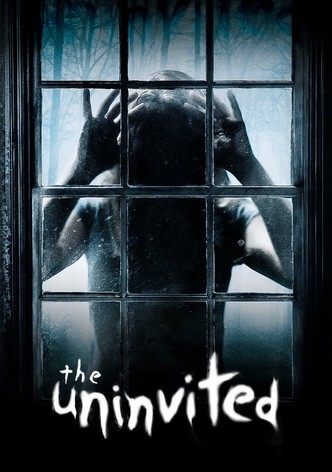
Didn’t Work: The Uninvited (2009)
The Uninvited ends with the revelation that the main protagonist, Anna (Emily Browning), has been imagining her sister, Alex (Arielle Kebbel), throughout the movie. Anna realizes Alex is dead, and that she has been hallucinating her presence to cope with the knowledge that she accidentally caused her death. The problem with The Uninvited is that it’s an American remake of the South Korean film A Tale of Two Sisters (2003), and it largely keeps the main twist in the story.
As a result, viewers who saw the first movie already knew how it was going to end. Even without A Tale of Two Sisters’ existence, The Uninvited constantly teases some major twist with its growing mysteries that very obviously don’t add up. Hence, the revelation that Alex is dead feels just a little sad, but mostly uninspired and underwhelming.
Trope: Heroic Sacrifice
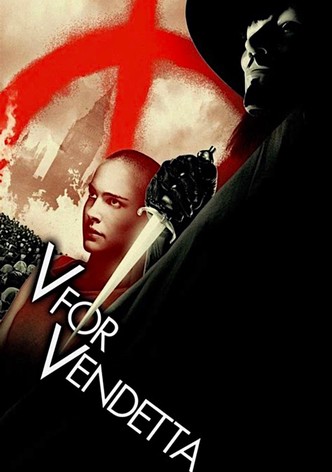
Worked: V for Vendetta (2005)
V for Vendetta sees the titular hero (Hugo Weaving) meet his demise while pulling off his final mission on Guy Fawkes Night. While preparing to blow up the Parliament building, V defeats the Norsefire Party leader, Creedy (Tim Pigott-Smith), but sustains a fatal injury. Despite his death, his plan to destroy the Parliament building succeeds. Meanwhile, his identity remains concealed, with Evey (Natalie Portman) identifying him as “All of us.”
Sometimes the heroic sacrifice feels too cliche or bittersweet, but it works perfectly for a movie like V for Vendetta. There aren’t any lingering doubts about whether his sacrifice was worth it or why he specifically had to die so others could live. You watch the movie knowing he died for something he believed in, fulfilled his dying wish, and lives on in the ideas he represented. Even after his death, viewers feel confident that his ideas will live on forever and continue to change society.
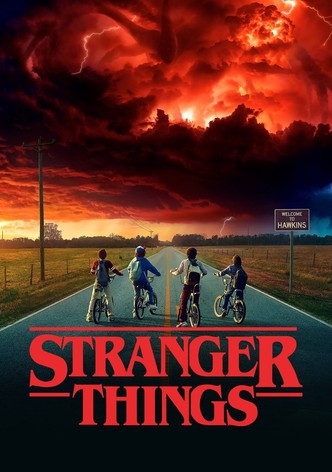
Didn’t Work: Stranger Things (2016-2025)
Stranger Things ends with Eleven (Millie Bobby Brown) making the heroic sacrifice so that every other character gets their happy ending. Although there are teases that she may have survived, she either died physically or gave up the only life, friends, and family she knew. Her death doesn’t work for a lot of the same reasons The Umbrella Academy’s ending didn’t work. Stranger Things spent a decade establishing Eleven’s story as a girl fighting her whole life for acceptance after being mistreated by so many people.
There’s something so bitter about the character who most deserved the happy ending being the sole character who didn’t get one. Instead of feeling content knowing someone died for something they truly believed in, you have people wondering why the person they saw themselves most reflected in isn’t allowed to live her life. A heroic sacrifice should feel somewhat inspiring, but this one just feels too depressing.
Trope: Deus Ex Machina
Worked: Jurassic Park (1993)
Movies and shows often draw criticism for the Deus Ex Machina ending, in which an unexpected person or thing arrives at the last second to rescue the characters from a seemingly impossible situation. However, Jurassic Park makes the Deus Ex Machina ending work. In the film, the characters are cornered by two raptors with no way out when the T. rex shows up and attacks the raptors. The same animal that attacked the characters earlier suddenly becomes their saviour.
It is abrupt and improbable, but for a movie about genetically engineered dinosaurs eating humans, it works well. These characters are contending with creatures that they don’t fully understand in an environment where truly anything can happen. Once you bring a T. rex into contemporary times, nothing else is too far out there. It suddenly makes perfect sense that “The enemy of your enemy is your friend” also applies to dinosaurs.
Didn’t Work: Pokémon: The First Movie (1998)
The worst cases of Deus Ex Machina are the ones that simply don’t make any sense, such as that at the end of Pokémon: The First Movie. While trying to maintain peace between the Pokémon, Ash Ketchum (Veronica Taylor) turns to stone after Mewto and Mew accidentally strike him. Then the Pokémon cry, and their tears somehow bring Ash back to life.
In the end, you’re left wondering what actually happened. The film never explains how the tears brought back Ash, or whether Pokémon tears actually have magical powers. Pokémon: The First Movie is a kids’ movie, so viewers shouldn’t expect anything too complex, but, at the very least, it should make a little sense. Using a Deus Ex Machina to get around a particularly difficult plot point is somewhat understandable, but using it to reverse a death leads to the most frustrating and nonsensical resurrections.