
Few directors and filmmakers have had a more profound influence on cinema than Alfred Hitchcock. Hailed by critics and audiences as the “Master of Suspense,” Hitchcock had a special skill for evoking paranoia and fear in viewers through innovative cinematography or psychological manipulation. The suspense techniques he utilized continue to influence the slasher and psychological thriller genres to this day.
Viewers interested in Alfred Hitchcock’s expansive filmography can use our guide to find out where they can watch his 10 best films on platforms like Peacock, AMC+, and more.
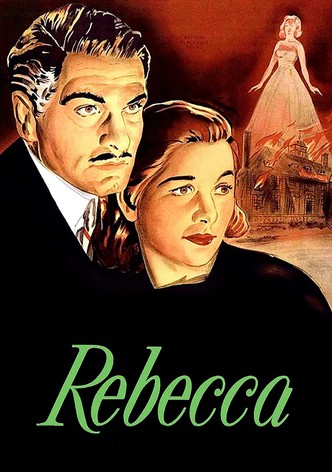
Rebecca (1940)
Rebecca tells the tale of Maxim de Winter’s (Laurence Olivier) second wife (Joan Fontaine), who struggles to get to the bottom of the mysterious death of de Winter’s first wife, Rebecca. The film is a pretty dark tale, featuring a haunting atmosphere and unpredictable twists and turns. Although not as horror-esque or grand as some of Hitchcock’s works, the gothic romance and drama create a similar intensity.
In addition to the masterful suspense, drama, and haunting tone, Rebecca is a thought-provoking film. It will leave you pondering long after you’ve finished about ideas of relationship insecurity, remarriage, obsession, power imbalances, and the difficulty of really knowing someone. If you love movies with twisted power dynamics, like Sunset Boulevard (1950), or films where an unseen/deceased protagonist drives the film, like Laura (1944), you’ll love Rebecca.
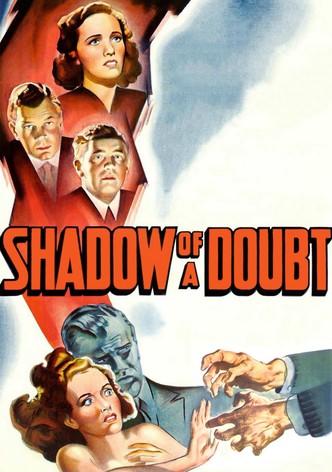
Shadow of a Doubt (1943)
Shadow of a Doubt follows Charlie (Teresa Wright), a young woman who begins to suspect her beloved Uncle Charles (Joseph Cotten) is a murderer. It is a masterpiece of film noir and suspense, offering viewers an intimate, hair-raising, and sometimes tragic story about one man’s dark secrets. Although it’s a relatively outlandish plot, the film features compelling characters and poignant drama that maintains viewer interest and never lets up the tension.
What really makes Shadow of a Doubt shine is the ominous tone and the underlying cynicism. The unflinching exploration of the evil that lies beneath and of the potential for a beloved family member to hide such dark secrets adds a touch of heartbreak to the movie. Viewers who enjoy twisty noir thrillers, like Taste of Fear (1961) or Hitchcock’s similar classic, Suspicion (1941), will be interested in Shadow of a Doubt.
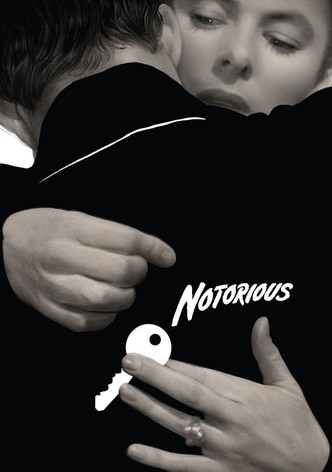
Notorious (1946)
Notorious is one of Hitchcock’s best romance movies, as it examines the complicated love triangle between government agent T. R. Devlin (Cary Grant), spy Alicia Huberman (Ingrid Bergman), and the Nazi whom Alicia is supposed to seduce, Alexander Sebastian (Claude Rains). The film features Hitchcock’s signature suspense, along with an aura of playfulness and wit, as it blends espionage and love in an improbable but irresistible story. It has the paranoia and tension of Rebecca, but with a more emotional, mature relationship at its center.
Notorious parallels Hitchcock’s other best works in terms of tension, the precision of each scene, and the cinematography. However, it’s one of the few to truly center its love story. The mixture of the film’s mystery and romance strongly parallels It Happened One Night (1934) and Hitchcock’s thriller The Lady Vanishes (1938).
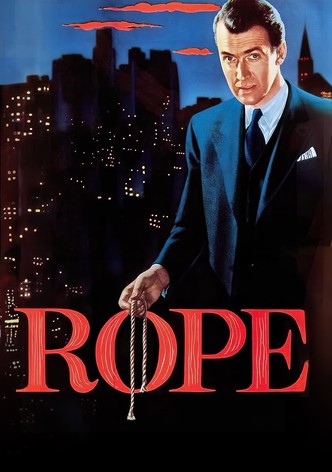
Rope (1948)
Rope is a dark psychological thriller that tells the story of Philip Morgan (Farley Granger) and Brandon Shaw (John Dall), who kill a man for a philosophical experiment before hosting a dinner party with individuals connected to the victim and crime. The film is one of Hitchcock’s more experimental films and one of the very first movies to give the appearance of a one-shot. Its appearance as a continuous shot adds to the viewer's anxiety, never giving them relief from the tension or morbidity of the story.
Given its experimental nature, Rope received mixed reviews from critics at the time and remains one of Hitchcock’s most underrated films. However, it’s an excellent watch for fans of dark, gripping tales and one-shot movies. Rope is especially a treat for fans of Hitchcock’s other limited-setting films, such as Lifeboat (1944) and Dial M for Murder (1954).
Rear Window (1954)
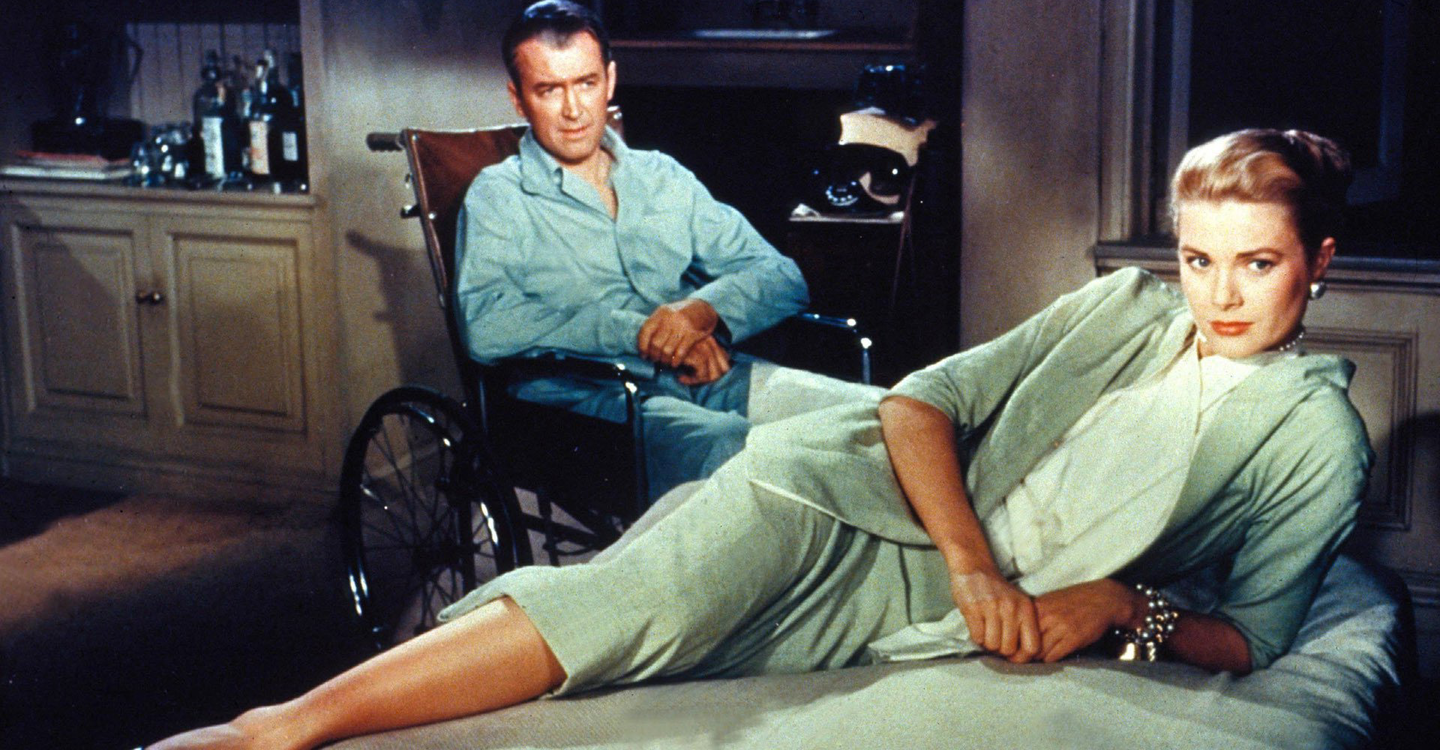
Rear Window is another one of Hitchcock’s limited-setting and experimental films, though it garnered far more critical acclaim than Rope. The movie follows photographer L.B. “Jeff” Jeffries (James Stewart), who, while confined to a wheelchair, begins watching his neighbors and becomes convinced one of them is a murderer. Rear Window is a pretty innovative work of cinema, shot primarily from the point of view of Jeffries outside the neighbors’ window.
Not only is the cinematography innovative, but the film also reignited interest in voyeuristic themes, especially as Hitchcock so poignantly captured the darkest and most chilling psychological aspects of the phenomenon. The film is dark, twisted, and thrilling, making the most of its simple setting. Fans of other works exploring voyeurism, including Blue Velvet (1986) and Body Double (1984), will love Rear Window.
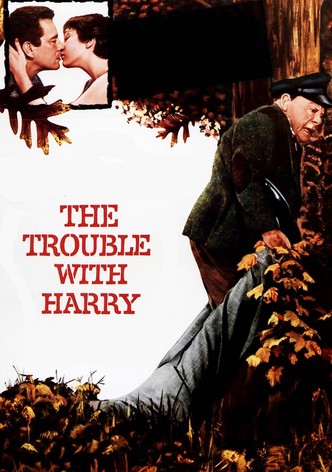
The Trouble with Harry (1955)
The Trouble with Harry is a dark comedy that tracks one community’s strange and humorous attempts to unravel the mysterious death of one of their own, Harry Worp (Philip Truex). While many of Hitchcock’s films boast morbid humor, The Trouble with Harry is one of his rare, true comedies. It’s a testimony to Hitchcock’s famous sense of humor, bursting with morbidity, a tongue-in-cheek tone, and a charming sense of absurdity.
The Trouble with Harry is also one of Hitchcock’s more distinct movies, doing away with a bit of the suspense, tension, and murder in exchange for dark comedy and small-town charm. In the end, it’s also one of his more optimistic films, giving it almost a dark fairy tale vibe. If you liked the playfulness of Notorious, but are seeking something even more comedic and absurd, you’ll love The Trouble with Harry.
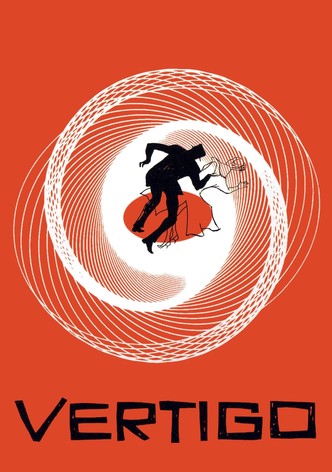
Vertigo (1958)
Vertigo tells the story of John "Scottie" Ferguson (James Stewart), a private investigator with vertigo and an intense fear of heights, who takes on a case investigating his friend’s wife, Madeleine (Kim Novak), and her increasingly erratic behavior. The film is one of Hitchcock’s best-acclaimed works, dazzling viewers with its eerie, haunting tone and unpredictable twists and turns. It features some of the most complex characters across Hitchcock’s filmography and an ambiguous, dark premise that is rich for interpretation.
Like many of Hitchcock’s films, Vertigo also had a lasting impact on cinema as it popularized the dizzying dolly zoom effect. In addition to the signature suspense and film noir, Vertigo embraces one of Hitchcock’s favorite themes: obsession. The exploration of obsession is even more profound and poignant than in Rebecca, and, combined with the nuanced characters and groundbreaking cinematography, makes Vertigo a haunting and unforgettable experience.
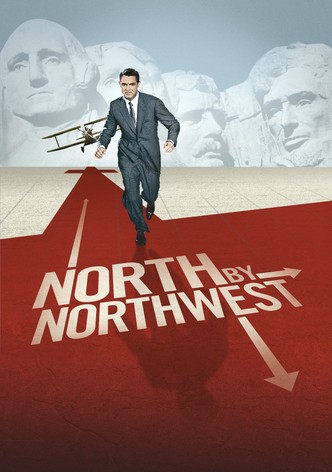
North by Northwest (1959)
North by Northwest is a spy thriller centered on advertising executive Roger O. Thornhill (Carey Grant), who goes on the run when a notorious spy mistakes him for a government agent. It’s harder to get closer to classic Hitchcock than North by Northwest. The absurd, dark case of mistaken identity and the anxiety-inducing tone are Hitchcock-coded and executed flawlessly.
North by Northwest is also one of Hitchcock’s most exciting films. It’s a high-energy movie, boasting steadily rising action, flashy visuals, and a surreal globe-trotting adventure. The film is a must-see for fans of Hitchcock and mystery thrillers in the vein of Charade (1963), as it feels like one of the most unrestrained and purely Hitchcockian films in the director’s filmography.
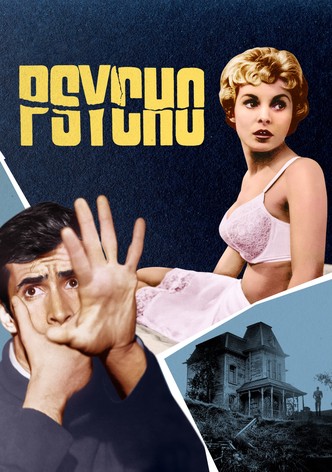
Psycho (1960)
Psycho is a horror movie in which embezzler Marion Crane (Janet Leigh) seeks refuge at the Bates Motel, though nothing is as it seems as she gets to know the shy, strange motel proprietor, Norman Bates (Anthony Perkins). The movie is arguably Hitchcock’s most well-known movie and one of the most well-recognized films in general. Nearly every film enthusiast knows the iconic shower scene, which terrified an entire generation through the screeching, haunting score, chilling cinematography, and graphic death in a vulnerable environment.
Like the shower scene, Psycho as a whole was groundbreaking, pushing boundaries and impeccably executing its sense of terror. It’s a rare, near-flawless horror movie that genuinely shocks and haunts viewers, and effectively sets the stage for the modern slasher. If you’re a horror or Hitchcock aficionado, Psycho is an absolute must-see.
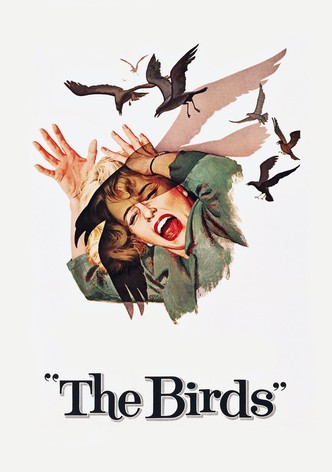
The Birds (1963)
The Birds is another iconic Hitchcock horror movie, which tells the story of a series of unexplained bird attacks on the residents of Bodega Bay, California. It’s another example of how Hitchcock does horror so well. Even the most seasoned horror fans can’t evade the sense of terror it evokes through its unsettling “when nature attacks” premise. The variety of birds it features also gives viewers the eerie feeling that no one is safe.
The Birds also features quite a unique set-up, appearing as a typical rom-com in the beginning and gaining viewers’ trust and comfort before suddenly dropping the brutal, terrifying twist. The ambiguity ensures that viewers leave the theater with a lingering sense of haunting. Like Psycho, The Birds successfully shocks and terrifies, making it an excellent choice for viewers seeking a genuine scare.