
Walt Disney Animation has been a benchmark of the cinema landscape for almost a century, with Snow White and the Seven Dwarfs (1937) establishing the theatrical arm of the company. In the years since, there have been several dozen releases that have crafted their own inventive, gorgeous worlds for audiences to fall in love with. While many of these films work perfectly fine as standalone movies, some of them utilize shared pop culture elements to poke fun at the past or reference great films.
Many of these are references that will only appeal to older audiences, who have a wider knowledge of cinematic history. In fact, many of the best deep-cut references hidden in Disney movies are from films that younger audiences won’t recognize at all. Here are the best pop culture references hidden throughout Disney animated movies that most kids won’t understand, and where you can find them on Disney+, HBO Max, and more.
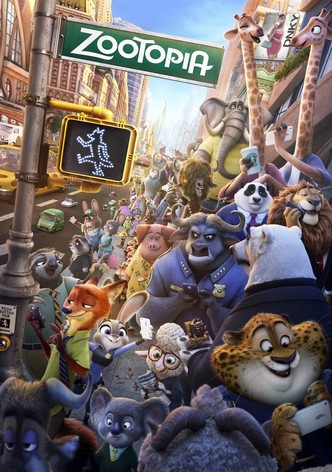
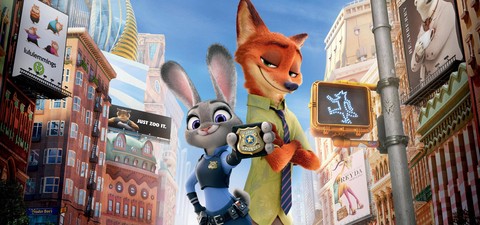
Zootopia (2016)
Zootopia is far from the first movie to reference The Godfather (1972), but it commits to the idea more than almost any other. Zootopia is a crime-noir riff that combines the cute animal characters of a Disney film with a mystery that doesn’t feel out of place alongside The Maltese Falcon (1941).
One of the big plot beats in the film sees Officer Judy Hopps and con-man Nick Wilde bring in a local shrew crime-boss. Mr. Big specifically recalls Marlon Brando’s performance as Don Corleone, with a similar costume and vocal performance. Notably, his love for his children is also brought over from the crime epic, albeit with his daughter, Fru Fru, modeled more after the modern Jersey stereotypes seen in shows like Jersey Shore (2009).
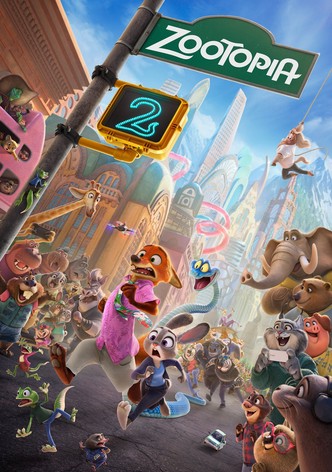
Zootopia 2 (2025)
Mr. Big and Fru Fru return in Zootopia 2, but they aren’t the best reference to older films. While the movie also includes sly allusions to movies like Babe (1995) and The Silence of the Lambs (1991), the best deep-cut is to The Shining (1980).
After betraying Judy and becoming the primary antagonist of the film, Pawbert tries to reach the patent for the Zootopia climate walls before she can. Moving through a massive frozen hedgemaze, Zootopia 2 introduces the score from the classic Stanley Kubrick horror film. Pawbert even glares into the camera at one point, with the same kind of twisted and maniacal look that Jack Nicholson’s Jack Torrance is most remembered for. For extra effect, the hedge maze may not resemble the actual maze from The Shining, but it contains a similar look to the distinct carpet design seen throughout The Overlook Hotel.
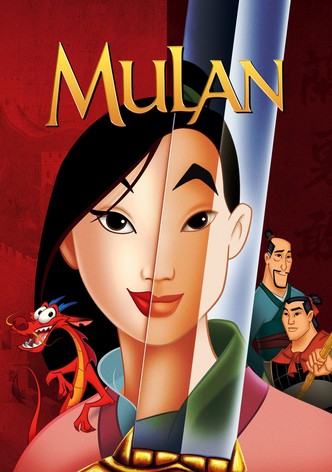
Mulan (1998)
Mulan doesn’t contain as many pop culture references as other movies from the Disney Renaissance era, but it does have a pretty sly moment that alludes to both Rambo III (1988) and Batman (1989). At the climax of the film, Mushu scares off a few people in a nearby tower, which will give him access to the fireworks there. To frighten them, Mushu lands with a kite at his back. Coupled with his ears sticking up and the growl in his voice, it’s a visual marker for the Michael Keaton version of the Dark Knight.
The dialogue is a reference to another movie, though, as it’s actually a direct quote from Rambo III. Calling himself “your worst nightmare,” Mushu and Rambo both get a bit of intimidation in the middle of an otherwise spectacle-driven action scene.
Hercules (1997)
Hercules has a lot of humor hidden under the noses of children, ranging from sly references to Greek history and art to Easter eggs that recall other movies in the Disney library. However, one of the film’s most obvious references is to The Karate Kid (1984).
During both films, the protagonist has to train in combat so that they can grow, both physically and spiritually. The Karate Kid’s training montage, set to “You’re The Best” by Joe Esposito, sees Daniel LaRusso training on a beach and working on his crane kick. During Hercules’ training with Phil in the song “One Last Hope,” he does the same thing on the beach. The shot is even modeled after the frame from The Karate Kid. Both movies are perfect for fans of underdog stories.
Aladdin (1992)
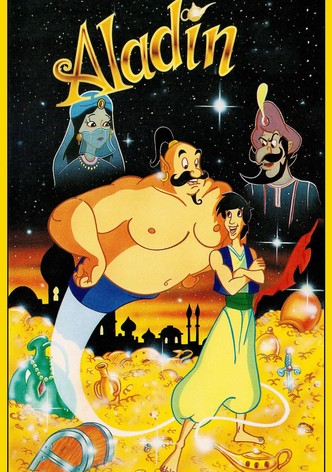
Given Robin Williams’s habit of referencing pop culture in his improvised comedy routines, it shouldn’t be surprising to see his Genie do a lot of deep cuts about pop culture figures in Aladdin. One of the most obvious is his turn as Rodney Dangerfield, mimicking the vocal stylings of the comedian from Caddyshack (1980) and Back to School (1986).
He also includes a vocal reference to Jack Nicholson in Prizzi’s Honor (1985), talk show host Ed Sullivan, Peter Lorre from Casablanca (1942), and Groucho Marx from Duck Soup (1933), although each of these turns doesn’t necessarily reference any specific film so much as those iconic actors. Aladdin’s sly references actually helped popularize the pop culture reference trend that later animated films would include, although they feel more like sly tributes rather than deliberate recreations.
Tangled (2010)
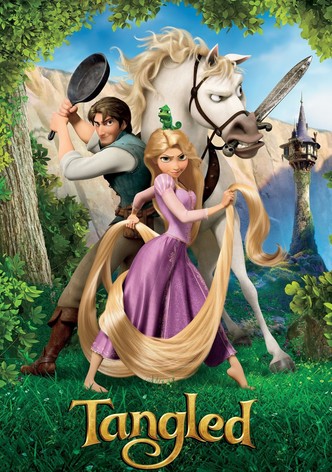
Tangled largely stands on its own as a Disney animated film, lacking the overt references that appear in other movies from the studio. However, there is one beat that seems to be a deliberate callout to Raiders of the Lost Ark (1981).
After taking a frying pan as a weapon for himself (albeit after having Rapunzel prove its offensive potential against him), Flynn almost loses the tool during a rock slide. At the last moment, Flynn pulls the pan out of the way of falling rocks, keeping it on him. This is a reference to the way that Indiana Jones, whenever he almost loses his iconic hat, always reaches back and grabs it at the last second before it’s lost forever. While the two are very different movies, Tangled’s sly reference should elicit a little chuckle from action-adventure fans.
The Lion King (1994)
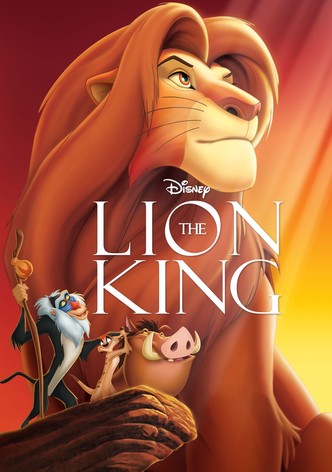
Similar to Mulan, The Lion King finds a way to include two distinct movie references into a single scene. During the climax of the film, Pumba races into the hyena den to save Timon and Zazu. When the hyenas dismissively ask, “Who’s the pig?”, Pumba grows furious and asks if they’re talking to him. This, of course, is a reference to Robert de Niro’s iconic scene from Taxi Driver (1976), where he practices being a tough guy in the mirror by repeatedly asking, “You talking to me?”
Pumba angrily follows the question by declaring himself to be “Mr. Pig.” This is a shout-out to the classic noir film In the Heat of the Night (1967), where Sidney Poitier’s Virgil Tibbs responds to a racist slapping him by slapping him right back and saying, “They call me Mr. Tibbs.”
A Goofy Movie (1995)
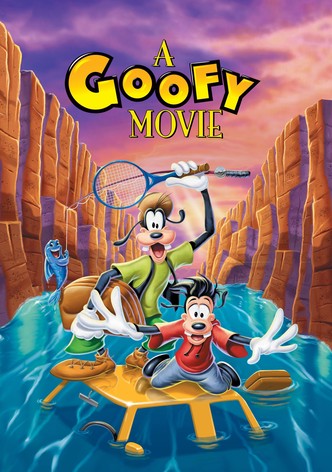
A Goofy Movie is one of the few Disney movies nominally set in a realistic setting, with the father/son dynamic at the core of the narrative meant to be deeply relatable despite the presence of Goofy as the main character. This means many of the film’s references are to real pop culture, from the nerdy side characters wearing Star Trek (1966) shirts to pop-star Powerline replicating the stylings of Prince and Michael Jackson.
However, the film’s goofiest reference comes with the appearance of Bigfoot, who is distracted from attacking Goofy and Max by going through their things. This leads to him hearing disco music, at which point he replicates the distinct dance moves seen in the John Travolta disco movie Saturday Night Fever (1977).
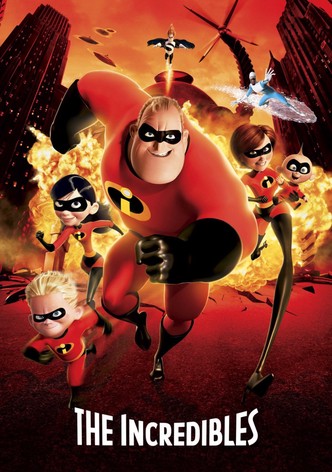
The Incredibles (2004)
The Incredibles is full of references to the lore and history of the superhero genre, with plenty of riffs that make it a strangely perfect peer to Watchmen (2009). However, the best reference in The Incredibles has nothing to do with the genre and more to do with one of the stars.
When Mr. Incredible and Frozone are briefly held at gunpoint by a police officer, Frozone takes a drink of water and uses it to replenish himself enough to freeze the cop and get them out of the situation. This is a deliberate reference to Die Hard with a Vengeance (1995). That film saw Zeus, John McClane’s unlikely ally, do something similar during a tense stand-off. Notably, both Zeus and Frozone are played by Samuel L. Jackson.
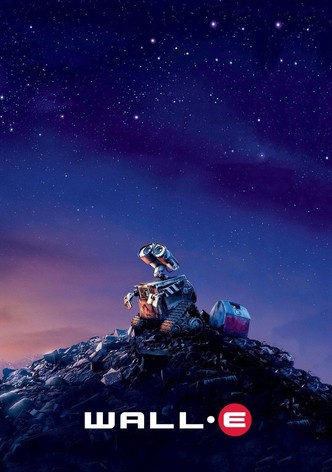
WALL-E (2008)
WALL-E is one of the best films in the Pixar filmography, an environmentalist sci-fi film with as many references to Hello, Dolly! (1969) and Charlie Chaplin as Blade Runner (1982). However, one of the biggest references is to 2001: A Space Odyssey (1968), one of the most important and iconic sci-fi films ever made.
Specifically, both films feature a malicious AI as a major threat. HAL and Auto are both depicted as ruthless characters, with a clear disdain for people. Notably, Auto is personified with a single unblinking red light, which is modeled after HAL. It lends the films a thematic connection that feels especially fitting, given how both HAL and Auto refuse to be ordered around by the people they nominally serve. If you’re looking for something more mature and slow burning, 2001: A Space Odyssey fits the bill. However, don’t sleep on WALL-E. It might be for kids, but it packs a surprisingly deep message.