
Gene Roddenberry’s Star Trek franchise has been boldly taking audiences into the furthest reaches of the universe—and even other universes—for over 50 years. Starting as a TV series in the 1960s, Star Trek has since expanded into films, comic books, novels, and a vast array of merchandise to become one of the most beloved and profitable media empires of all time.
Revolutionary for its diverse casting and impact on fan culture, Roddenberry’s utopian vision of space exploration from a futuristic Earth continues expanding to this day. If you want to navigate your way through this iconic series, here’s how to watch all Star Trek movies and TV shows in order of release.
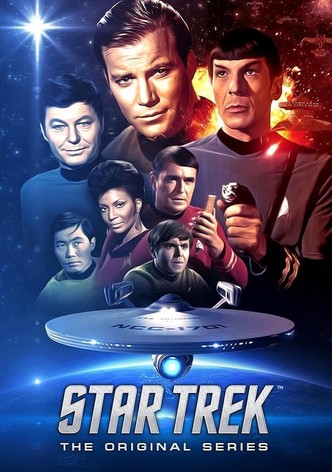
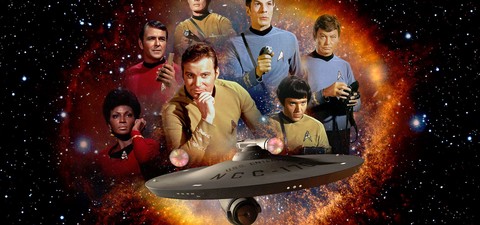
Star Trek: The Original Series (1966-1969)
The inception of Star Trek is a three-season TV series (retroactively titled The Original Series). Taking place in the 22nd century, it follows, as stated in each episode’s opening narration, “the voyages of the Starship Enterprise,” Captained by James T. Kirk, alongside principal characters like Science Officer Spock, an alien Vulcan, and Chief Medical Officer Leonard ‘Bones’ McCoy.
The show establishes the naval-inspired Starfleet they serve and their peaceful mission to chart the unknown reaches and peoples of our Milky Way. Somewhat hokey in its design and storytelling now, it was groundbreaking for its inclusive representation and has become an iconic piece of ‘60s pop culture.
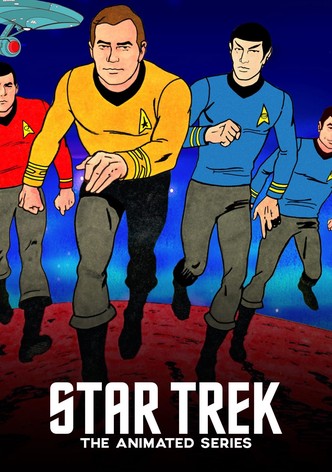
Star Trek: The Animated Series (1973-1974)
Knowing what Star Trek has become, it’s hard to believe that The Original Series was cancelled after only three seasons. Seemingly dead in the water—or space, rather—it earned a surprisingly enthusiastic reception in syndication (re-runs). As a result, Star Trek: The Animated Series was born as a sequel to the live-action show.
Featuring most of the original actors’ voices, and more adventurous visuals thanks to the medium change, it was very well-received at the time and continues to strike a chord with newer fans. The animation is certainly dated by modern standards, but don’t skip over it if you want a full overview of Trek canon.
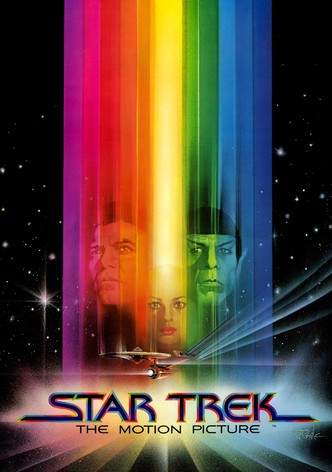
Star Trek: The Motion Picture (1979)
The first Star Trek movie happened off the back of The Original Series’ syndication success, as well as other sci-fi box office hits, such as Trek’s main competitor, Star Wars. Reuniting TOS cast, Kirk, now an Admiral, leads the charge in the film’s story to investigate a mysterious threat to Earth in the form of an alien cloud.
While sluggish in pace and lacking in tangible obstacles, Star Trek: The Motion Picture is visually striking— even a little trippy, in the vein of 2001: A Space Odyssey—and conceptually thought-provoking.
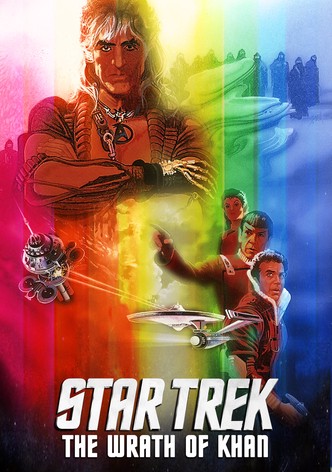
Star Trek II: The Wrath Of Khan (1982)
While the first Star Trek film remains the franchise’s highest earner to date, the second one is considered its most iconic. Star Trek II: The Wrath of Khan makes up for what its predecessor lacks: a memorable villain in the genetically-enhanced conqueror, Khan Noonien Singh.
First encountered by the Enterprise in an episode of The Original Series, Khan returns from exile to obtain a terraforming device. The tragedy borne out of thwarting him has repercussions for the crew spanning the next two films, including a pivotal, tender moment between Kirk and Spock.
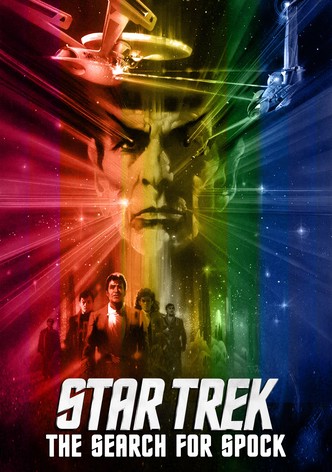
Star Trek III: The Search For Spock (1984)
Following directly on from Wrath of Khan, Kirk and the Enterprise crew flout Starfleet command when they learn about a Vulcan ritual that could mend the pieces of their broken ‘family.’ Along the way, they’re attacked by Klingons, one of the series’ key recurring villains (later allies), whose leader is played by Christopher Lloyd.
With its biblical themes of destiny and resurrection, Star Trek III: The Search for Spock is Trek at its most melodramatic and poignant, cementing the bonds that tie the main characters as unbreakable, even in death.
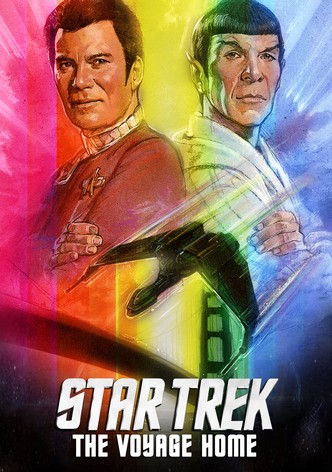
Star Trek IV: The Voyage Home (1986)
The concluding chapter of the ‘80s Star Trek film trilogy, Star Trek IV: The Voyage Home is much lighter in tone than the previous two chapters. In fact, it’s downright silly. As the Enterprise does what the title suggests, their return to Earth occurs right as a strange alien instrument is trying to communicate with whales.
Getting nothing back from the mammals—who are extinct—angers it, prompting the crew to go back in time to get a response. Seeing Kirk and Co. in the then-present day of San Francisco is delightfully farcical, while the obvious environmental messaging adds some much-needed weight to the levity.
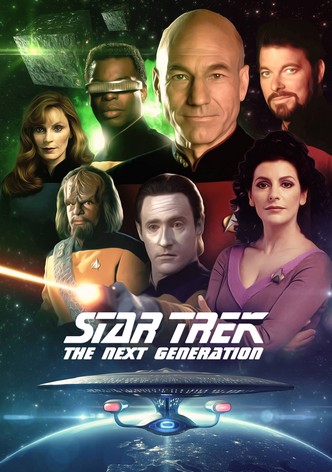
Star Trek: The Next Generation (1987-1994)
It took over two decades, but Star Trek finally returned to TV serialisation in the late ‘80s with Star Trek: The Next Generation. Patrick Stewart’s Jean-Luc Picard replaces William Shatner’s Kirk as Captain of a new Enterprise in an unexplored region of the galaxy, and the show and its characters were hugely popular with viewers and critics alike.
Though still a man of action, Picard is more philosophical than the gung-ho Kirk, and TNG is characterised by writing that delves deeper into fundamental ideas of what makes us human, as well as casting a more critical lens on Starfleet’s mission.
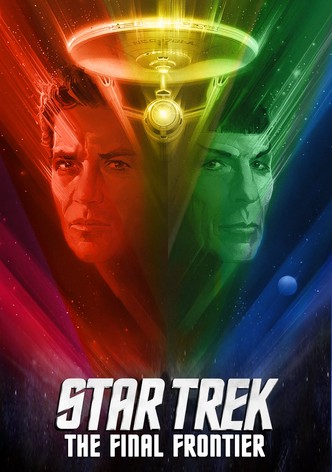
Star Trek V: The Final Frontier (1989)
The fifth Star Trek film returns the focus to The Original Series’ crew and the continuing story of TOS movies. With Shatner in the director’s chair—taking over from Leonard Nimoy (Spock)—Star Trek V: The Final Frontier has another religious theme, as the villain Sybok, a Vulcan, looks for the universe’s ultimate creator.
Some affectionate and fun character interactions, particularly between the principal trio of Kirk, Spock, and Bones, are high points, as well as the ambitious premise, but Frontier’s muddled pacing left Trek’s future on the big screen in doubt.
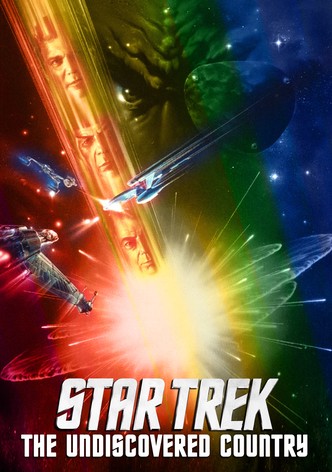
Star Trek VI: The Undiscovered Country (1991)
Except for Shatner, Star Trek VI: The Undiscovered Country is the swan song for The Original Series’ cast. The movie revolves around an environmental disaster finally forcing the Klingon Empire to call a truce with the Federation—the peace-seeking allied forces of humans, Vulcans, and other species that Starfleet serves.
Written to echo the end of the Cold War, the film has a conspiratorial atmosphere, apeing the politics and culture of that era and lightened by some nod-and-a-wink dialogue that proves what the original characters now lack in physical aptitude, they make up for with sharper comedic chops.
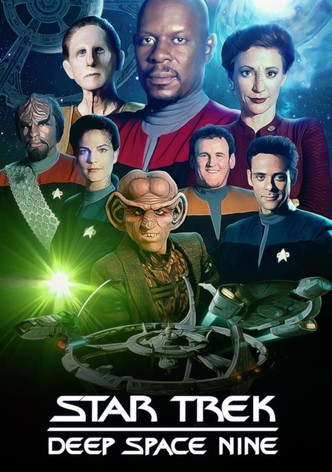
Star Trek: Deep Space Nine (1993-1999)
The success of The Next Generation led to a third Star Trek TV show releasing hot on its heels, and the first without the late Gene Roddenberry’s input. Star Trek: Deep Space Nine is dramatically different from any previous Trek project: It’s the first to be helmed by a Black character, Commander/Captain Benjamin Sisko, and the first to take place on a space station instead of a starship.
The static location may jar at first, and while it’s slow to get going, Deep Space Nine evolves into one of Trek’s best-plotted entries, with plenty of nuanced meditation on war, colonisation, religion, and race.
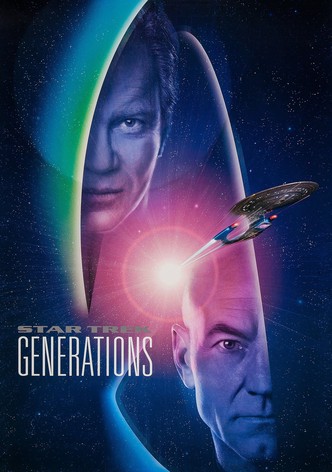
Star Trek: Generations (1994)
As its title hints, Star Trek: Generations is a bridge-gapping film between The Original Series and The Next Generation eras. Time-bending shenanigans allow for some prime fan service—a team-up between Captains Kirk and Picard to stop a desperate humanoid alien (played by Malcolm McDowell) ripping the universe apart in his pursuit of paradise.
Much like any late-stage MCU film, Generations is best enjoyed by seasoned fans rather than first-timers, functioning especially well as an appropriately sentimental and heroic send-off to Kirk (and Shatner) on their final voyage through the Trek-verse.
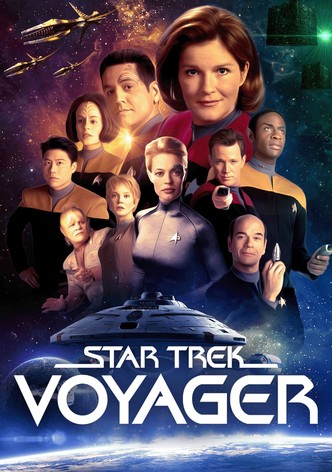
Star Trek: Voyager (1995-2001)
Running initially concurrently with Deep Space Nine, Star Trek: Voyager takes Star Trek in another bold direction: the first to star a female captain, Katherine Janeway, and a conceit that sends her crew aboard the titular vessel into a completely uncharted quadrant, far from Earth.
This survivalist premise creates unique stakes for Voyager’s characters, while its winding journey into dangers unknown works particularly well in tandem with DS9’s homelier consistency. In addition, it fleshes out arguably the most terrifying enemy in Trek history: the Borg, advanced cybernetic beings who traverse the universe in giant cube-shaped ships, absorbing lifeforms into their hive mind.
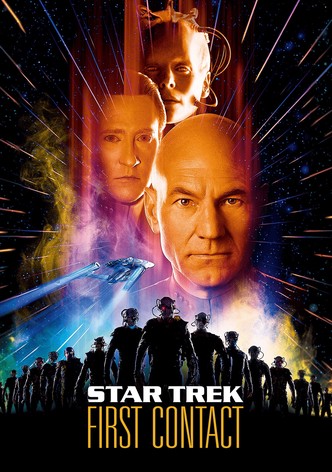
Star Trek: First Contact (1996)
Star Trek: First Contact pits The Next Generation crew against the Borg and their cold, enigmatic Queen, bringing the fan-favourite conquerors to the big screen after their introduction in TNG but before their incorporation into Voyager.
Directed by Jonathan Frakes, who plays Picard’s Number One, William Riker, the film takes place after TNG’s ending, with the crew chasing the Borg back in time to reverse their takeover of Earth. This allows us to see a foundational moment in Trek’s space exploration history, while clear allusions to Moby Dick deepen our understanding of Picard’s hatred of the Borg.
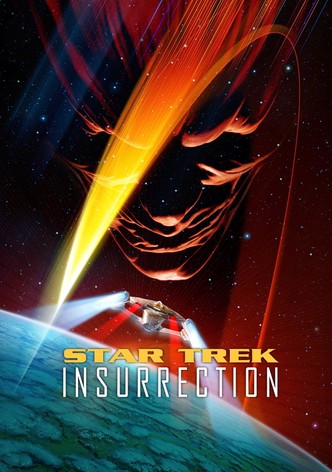
Star Trek: Insurrection (1998)
Continuing under Jonathan Frakes’ direction, Star Trek: Insurrection takes a different approach to First Contact. Time travel and the terrors of assimilation are swapped for an internal fracture between Starfleet and Picard’s crew, who defend a planet from being stripped of a precious resource its community rely on.
This more subdued approach makes it feel more televisual than cinematic, and while certainly not the most memorable film in the series, Insurrection gives Picard a sweetly romantic subplot and reexamines his android officer Data’s quest to become more human.
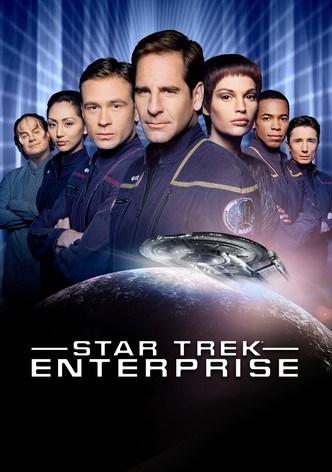
Star Trek: Enterprise (2001-2005)
Star Trek: Enterprise is another dramatic reinvention of Star Trek on TV. Taking a ‘stripped back’ approach, it's set right at the start of humanity’s deep space exploration aboard the first Enterprise and stars Quantum Leap’s Scott Bakula as Captain Jonathan Archer.
With more rudimentary technology, limited knowledge of space, and no Federation, Enterprise focuses more on character, as well as fleshing out new areas of formative canon and patching up holes in other areas. Never fully finding its stride, diminishing interest and poor critical reception led to it being cancelled after four seasons.
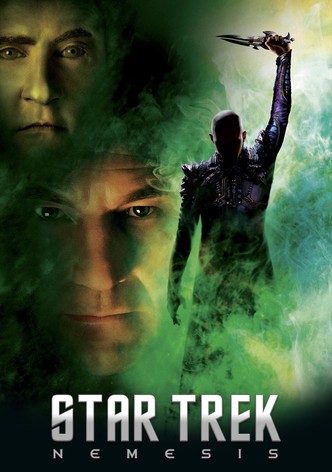
Star Trek: Nemesis (2002)
The final film to feature The Next Generation cast, and the tenth overall, Star Trek: Nemesis is also notable for introducing the world to a young Tom Hardy. Hardy plays the Reman Shinzon, whose race is enslaved by the domineering Romulans, against whom he leads a coup that TNG gang intercede in.
As a dark reflection of Picard, Shinzon makes for twisted commentary on the ‘nature vs nurture’ debate. But aside from a typically stellar performance from Stewart, Nemesis is viewed as the franchise crashing out on a whimper for nearly a decade rather than blasting forward with a bang.
Star Trek (2009)
The film that revived a dormant franchise, 2009’s Star Trek movie makes the smart decision to reboot the series (via time travel) in an alternate universe, allowing newcomers to jump on board without being bogged down by decades of lore.
This also gave director J.J. Abrams and his writers license to retread some of Trek’s ‘greatest hits’ with younger versions of Kirk, Spock, and Bones, famous line recalls, and classic villains—in this case, the Romulans. With Abrams and a fresher-faced cast steering the ship, 2009’s Star Trek injects much-needed adrenaline into an IP that had become synonymous with a bygone past rather than an exciting future.
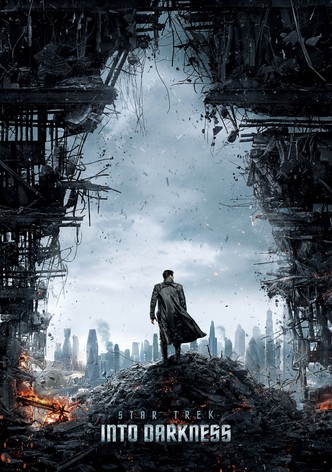
Star Trek Into Darkness (2013)
KHAAANNN! Star Trek: Into Darkness continues Abrams’ remixing of Star Trek history by bringing back fan-favourite Kirk and Spock nemesis, Khan, this time played to sneeringly superior heights by Benedict Cumberbatch.
The film delivers on its titular promise of plunging the new, shinier Trek films into choppier waters, with both in-universe and real-world tragedies. (It’s Leonard Nimoy’s final film before his death.) Despite these sombre events, Into Darkness is still another rollicking, slickly-produced package, and the highest-grossing film since The Motion Picture.
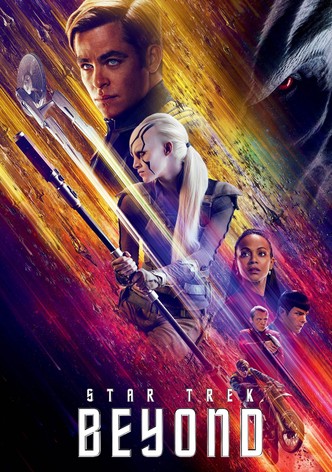
Star Trek Beyond (2016)
The third and final film in the Abrams reboot trilogy, Star Trek: Beyond begins with the Enterprise gang scattered; struggling with the monotony of his command, Kirk even contemplates leaving the ship for good. A mission to prevent the use of a bioweapon, however, reunites and galvanises him and his crewmates.
Though it feels a little like a big-budget episode of one of the shows, Beyond is still hugely entertaining, leaning on the prickly but warm interpersonal relationships of familiar characters brought to new, vivid colour by a great cast.
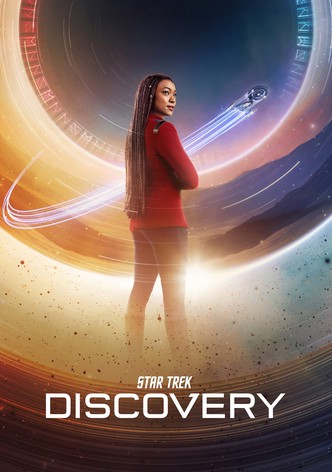
Star Trek: Discovery (2017-2024)
It had been 12 years since a Star Trek TV show was on the air when Star Trek: Discovery was released. Running for five seasons, and beginning just before The Original Series (but not as far back as Enterprise), its main protagonist isn’t a captain but a disgraced commander, Michael Burnham. Having helped kickstart a war with the Klingons, Burnham has to prove herself worthy of command once more.
Discovery has a very different look and feel from any previous Trek series that may polarise at first, but like Deep Space Nine, it rewards persistence. Its reaffirming and upping of the franchise’s foundational commitment to diverse casting and representation is highly commendable, too.
Star Trek: Short Treks (2018-2020)
This series of 10 shorts, comprising both live-action and animated episodes, was produced primarily as ancillary material to Discovery but also includes characters from other Star Trek shows, like Spock and Picard.
As they’re all self-contained stories, you can technically watch them at any point during your Trek journey; however, as the majority relate to characters from Discovery and Star Trek: Picard, you should pair your viewing with them. The final episode of Star Trek: Short Treks, “Children of Mars,” is particularly relevant to Picard, in fact.
Star Trek Picard (2020-2023)
In a bid to widen the Star Trek universe beyond the mainline TV series, Star Trek: Picard is a spinoff of both The Next Generation and Nemesis, picking up the now-retired admiral’s story 20 years after the latter, and in the new timeline established in the 2009 film.
Patrick Stewart reprises his legendary role with pathos and grace. Haunted by tragedies past and revisited by familiar faces as the show progresses, he finds himself drawn into battles against old enemies once more; Picard is another Trek show that requires marination over its three seasons to become something truly special.
Star Trek: Lower Decks (2020-2024)
In the franchise’s biggest departure to date, Star Trek: Lower Decks is essentially a Star Trek sitcom. The animated series—the first since the ‘70s—refocuses from the Bridge to the literal lower decks of a Starfleet vessel, casting a humorous spotlight on what the ‘grunts’ supporting the usual main characters get up to.
Once again, Lower Decks is a Trek show that comes into its own in its later seasons, gradually shifting from passable self-parody to an enthralling series in its own right. Deep cut cameos and references make it rewarding for longtime fans, but after 50 years, Trek tropes are mainstream enough for casual viewers to dive in.
Star Trek: Prodigy (2021-2024)
Set shortly after the ending of Voyager, in Star Trek: Prodigy, a group of alien kids embark on a similar adventure to Captain Janeway’s crew: finding and navigating a starship from the Delta to the Alpha Quadrant. They’re eventually joined by Janeway, with other Voyager cast members making appearances, too.
Low viewership led to the 3D animated series only lasting two seasons. It’s the first piece of Star Trek media to be produced for younger viewers, who can learn about the franchise’s world as its young characters do aboard their adopted ship. Voyager fans, meanwhile, will get a kick out of spending time again with the steadfast Janeway.
Star Trek: Strange New Worlds (2022-present)
Another prequel to The Original Series, Star Trek: Strange New Worlds gives the reins to Enterprise Captain Christopher Pike, the original star of TOS’ scrapped pilot before Shatner’s Kirk replaced him. Anson Mount’s depiction of Pike in this series began in Discovery’s second season; in SNW, he’s joined by his Number One from TOS (first played by Roddenberry’s wife), as well as Spock.
Its mid-century design and episodic format make it feel like a soft reboot of TOS, but adventurous storytelling—particularly in its second season—give SNW, and Trek in general, a revitalisation that audiences have really resonated with.
Star Trek: Section 31 (2025)
Created in Deep Space Nine, Section 31 is a highly-secretive, covert agency within the Federation, similar to MI6. Doing the Federation’s ‘dirty work’ in the shadows to maintain its utopian image, the rarely expounded-upon organisation was ripe for its own project, such as this streaming movie.
Star Trek: Section 31 stars Michelle Yeoh’s Philippa Georgiou, a Starfleet captain with a tyrannical ‘Mirror Universe’ counterpart. Set between The Original Series and The Next Generation, the rogueish Georgiou reckons with her past and the warmongering actions of her alternate self in what should have been a home run given its star and subject matter; instead, Section 31 is woefully lacklustre in execution, perceived as one of Trek’s biggest film flubs to date.
How To Watch 'Star Trek' In Chronological Order
Those looking to follow the story as it unfolds chronologically should watch the franchise in this order:
- Star Trek: Enterprise
- Star Trek: Discovery Season 1 & 2
- Short Treks
- Star Trek: Strange New Worlds
- Star Trek (2009)
- Star Trek Into Darkness
- Star Trek Beyond
- Star Trek: The Original Series
- Star Trek: The Animated Series
- Star Trek: The Motion Picture
- Star Trek II: The Wrath of Khan
- Star Trek III: The Search for Spock
- Star Trek IV: The Voyage Home
- Star Trek V: The Final Frontier
- Star Trek VI: The Undiscovered Country
- Star Trek: Section 31
- Star Trek: The Next Generation
- Star Trek: Generations
- Star Trek: First Contact
- Star Trek: Insurrection
- Star Trek: Deep Space Nine
- Star Trek: Voyager
- Star Trek: Nemesis
- Star Trek: Lower Decks
- Star Trek: Prodigy
- Star Trek: Picard
- Star Trek: Discovery Season 3-5
Where To Watch 'Star Trek' Shows And Movies Online
To discover more about TV shows and movies currently streaming in the UK, check out the JustWatch streaming guide! You can filter your search by streaming service, genre, price, age rating, and score. Be sure to build your watchlist and receive helpful notifications on what to watch next based on your preferences!