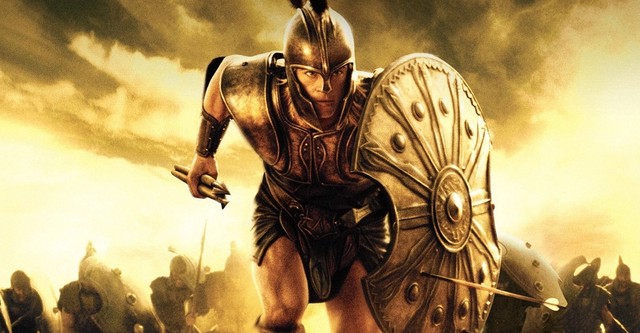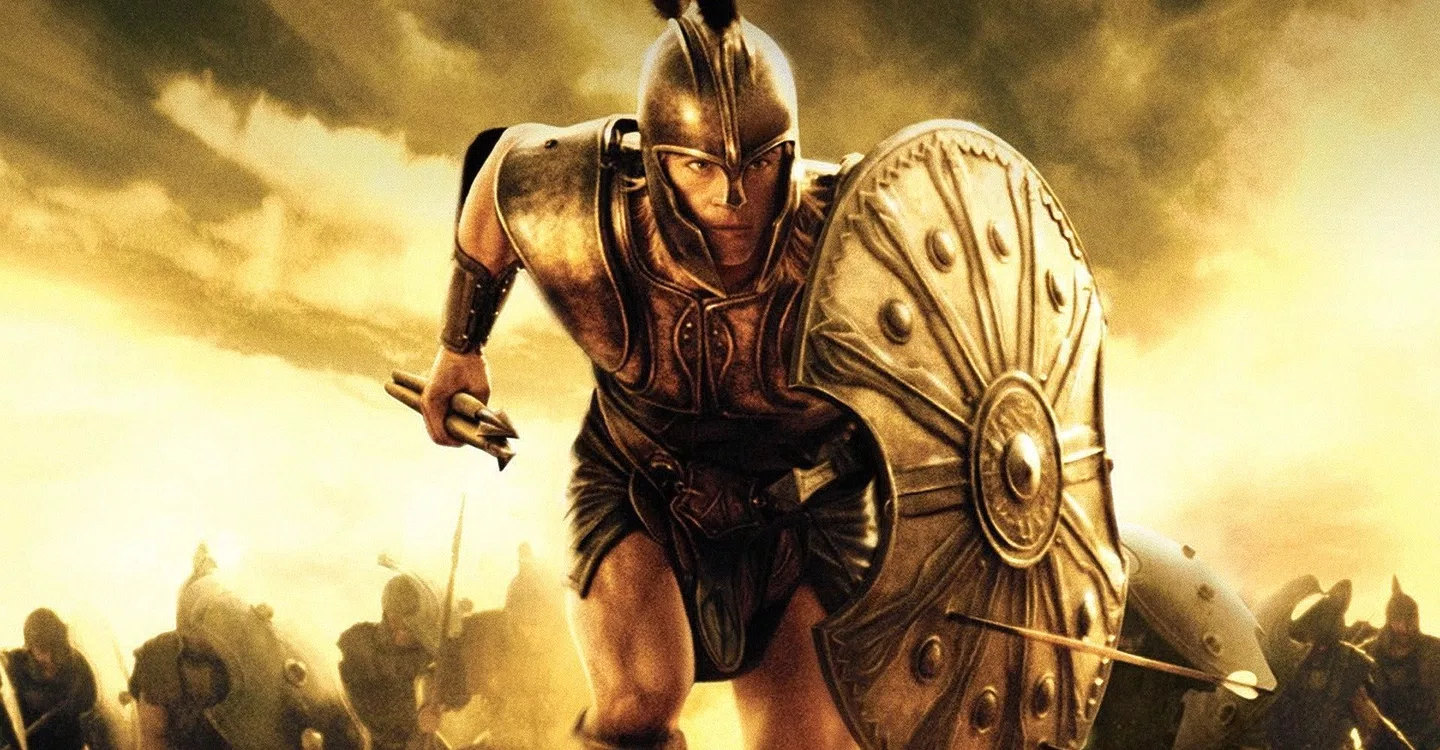
Why You Should Watch 'Troy' Before 'The Odyssey'

Christopher Nolan's The Odyssey (2026) is one of the biggest films of the year. While Nolan is best known for critically acclaimed films like Oppenheimer (2023) and Dunkirk (2017), this marks his first adaptation of a Greek myth. With a $250 million budget and an A-list cast, The Odyssey is already a huge hit at the box office, with IMAX 70mm screenings booked up for months in some cities. Whether you've already seen The Odyssey or you're still waiting for those elusive IMAX tickets, there's one movie you can already watch at home to enrich your experience. That movie is Troy (2004).
Is ‘The Odyssey’ A Sequel To ‘Troy’?
Cinematically, The Odyssey and Troy are not connected. They hail from different film studios, directors, and feature some of the same characters with different actors. But although Nolan's The Odyssey isn’t a direct sequel to the 2004 movie Troy, it is a spiritual successor, given their shared source material. This is because Troy is a loose adaptation of Homer’s The Iliad, while The Odyssey is an adaptation of Homer's poem of the same name—which is a chronological sequel to The Iliad.
Homer delves into the Trojan War in The Iliad, while The Odyssey takes place after the war and follows Odysseus on his journey home. That's why The Odyssey references events from The Iliad, and features some of the same characters. For example, in Troy, Odysseus is played by Game of Thrones star Sean Bean (left), while he's played by Matt Damon (right) in The Odyssey.

Another character that features prominently in both movies is Agamemnon, the King of Mycenae who leads the Greek forces during the Trojan War. In Troy, he is played by Succession's Brian Cox, while director-turned-actor Ben Safdie plays the role in The Odyssey.

When it comes to the written works, you technically don’t have to read The Iliad before The Odyssey, but I would recommend it because of the context it provides for the latter. The same is true for the movies.
Wolfgang Petersen's Hollywood take on Troy isn’t a wholly faithful adaptation of The Iliad. One of the biggest complaints fans of The Iliad have about Troy is that it wholly omits the mystical side and the gods of Homer’s story. Troy turns the story into a grounded war epic, but in The Iliad, the gods are integral to the plot and theme. This may have been due to the immense success of Gladiator (2000) just a few years earlier.
To an extent, Christopher Nolan's The Odyssey actually takes a similar approach, with some of the story's more mystical moments playing out with ambiguity through visions and memories. But scenes such as Odysseus' encounter with Polyphemus (the one-eyed monster) offer the kind of fantastical elements that are missing entirely from Troy.
While Wolfgang Petersen's adaptation isn't entirely faithful, Troy perfectly sets the stage for The Odyssey, introducing you to its setting, themes, and key moments in the history of the Trojan War that are revisited in Nolan's epic—making Troy an excellent watch to prepare for Nolan’s latest movie.
Troy is more relevant now it has been for the last two decades thanks to The Odyssey’s release in theaters, but it also stands up on its own. The film divided critics at the time, but it’s worth noting that much of the criticism came from those wanting a faithful adaptation of Homer’s work. Troy doesn’t deliver the faithful adaptation Homer's bookworms wanted, but it still works as a memorable war epic.
Troy is violent and brutal, and it boasts powerful performances, especially from Brad Pitt, Eric Bana and Sean Bean, who all bring depth to their roles. The whole movie is a spectacle and gives you the same adrenaline rush as other historical epics, like Gladiator (2000) and Braveheart (1995). There's a particular focus on Brad Pitt's take on Achilles, a character that actually does feature briefly in Homer's Odyssey, but isn't included in Christopher Nolan's version.

It’s by no means a perfect movie or adaptation, but it has all the action and adventure that keeps you glued to the screen. And it might even be a better experience if you've already been gripped by Christopher Nolan's The Odyssey. So if you’re looking for an entertaining, gritty, and glorious war epic to watch before or after The Odyssey, Troy is the only way to go.
Alternatives To ‘Troy’ To Watch Before ‘The Odyssey’
If you’re still not sold on Troy, there are a few other sword-and-sandal movies that can give you an overview of the Trojan War before The Odyssey. For example, Helen of Troy (2003) is another loose adaptation of The Iliad, centering on Helen (Sienna Guillory), whose abduction triggers the Trojan War. Troy largely overshadowed Helen of Troy, but it’s a decent adaptation, especially if you have a particular interest in "the face that launched a thousand ships." Helen of Troy doesn’t have the epic scale of Troy, but it really nails the storytelling and human conflict side of the Trojan War.
Another option is Troy: Fall of a City. This movie frames the Trojan War through its own story, drawing on myths and legends beyond The Iliad to delve into the war’s cause and effect. The series offers something Helen of Troy and Troy don’t: a unique and thought-provoking interpretation of the Trojan War. It has the epic scale of Troy but doesn’t forego depth for spectacle. Troy: Fall of a City will arguably offer you the most intrinsic introduction to the Trojan War and will give you a lot to think about before The Odyssey.