'Scream 7' Is The Perfect Movie To End The Series (Even If It Probably Won't)

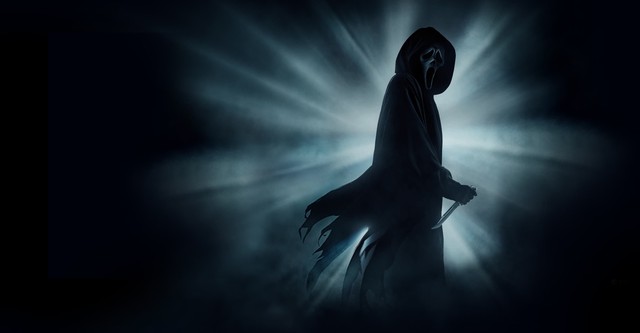
The Scream franchise has reached the stage most long-running slashers eventually hit, where every new installment arrives with two completely opposite ideas. One is that this might finally be the end. The other is that horror history suggests we shouldn't believe that for even a second. Still, Scream 7 (2026) feels a little different from the usual final chapter marketing language because this time the story pulls one very specific thread back into focus: Neve Campbell returning as Sidney Prescott.
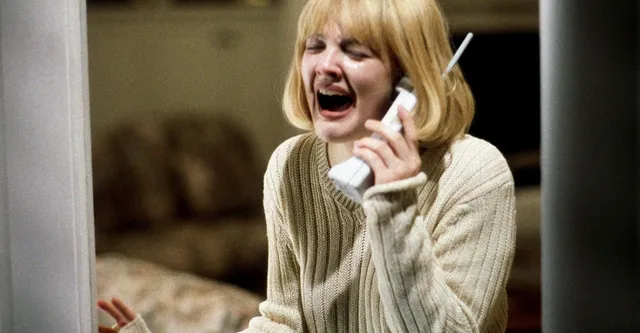
Sidney has always been the emotional anchor of these movies, even when the narrative experimented with new final girls, new locations, or new rulebooks. Every detour eventually found its way back to Sidney. The original 1996 Scream worked because we watched an ordinary teen process unimaginable violence in real time. And the sequels kept working because they tracked what surviving several major traumatic events does to someone as the years go by.
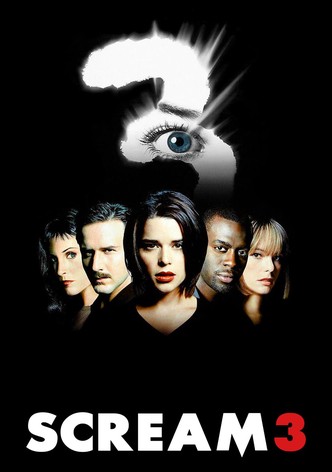
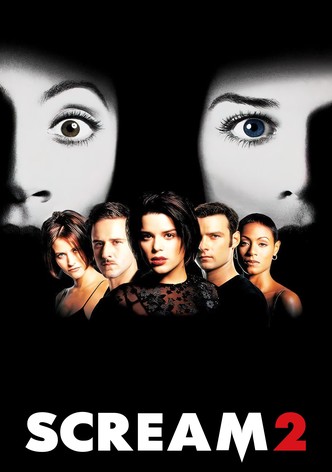
There was fame in Scream 2 (1997), isolation and buried history in Scream 3 (2000), and a weird, vengeful relative in Scream 4 (2011). Even the newer entries (2022's Scream and Scream VI in 2023) kept sort of orbiting the idea of legacy, whether Sidney was at the center of the story or not. Bringing her back into the spotlight now feels like the franchise recognizing where an ending would actually fit best. If this really is the moment to close the loop, the most satisfying way to do it would be by finally explaining all of it.
The 'Scream 7' Twist That Would Actually Mean Something
The Scream film series has never been shy about big reveals, as each sequel tried to reframe what came before it with secret partners, hidden family ties, and basic revenge plots pulled from decades-old trauma. Sometimes that works beautifully, and sometimes it feels like the narrative equivalent of nervously adding one more twist because not having a new Scream movie on the horizon would be way scarier for the movie execs.
That's why a final reveal that connects everything back to Stu Macher (Matthew Lillard) and Roman Bridger (Scott Foley) would be the best way to end Sidney's story. Stu was one of the masterminds behind the Woodsboro killings in the original film, alongside Billy Loomis (Skeet Ulrich). Billy, who also happened to be Sidney's boyfriend, wanted to destroy Sidney's life because his father had an affair with her mother.
But in Scream 3, Roman was revealed to be the one pulling the strings from the start since he resented Sidney for stealing the childhood he never had. Roman's beef with her began when he discovered that he is actually her half-brother (the result of an affair between Sidney's mom, aspiring actress Maureen Prescott, and a film director. That reveal fits with the franchise's obsession with authorship and the idea that someone might be orchestrating the story in secret.
Since the later Ghostface killers were framed as copycats (people influenced, manipulated, or simply inspired by the originals), the events of the last three films become a segue into a single, intentional pattern. It might be a little messy to navigate in-universe. But it will make Scream 7 emotionally coherent in a way horror franchises rarely manage. More importantly, it sharpens the motive.
Ending The Pattern Instead Of Passing It On
Sidney didn't just survive. She healed enough to build something resembling peace and a normal life. And the idea that the first people who tried to destroy Sidney would resent her peace enough to return to crush it one last time feels cruel in a really personal way that fits Scream's tone much better than another random mastermind clutching at the edges of what someone else created.
The most recent Scream movies focus a lot on inheritance (like Billy Loomis' daughter being afraid that she might be just like her dad), along with new generations connected to old survivors and trauma echoing forward, whether anyone wants it to or not. It's effective, but it also risks turning the story into an endless relay race of suffering. And Sidney's daughter Tatum (Isabel May) could easily become the next runner.
Horror history is full of torch-passing finales that promise more installments down the line. But the more radical choice would be refusing that structure altogether. Letting Sidney confront the original killers one final time, with her daughter beside her but not replacing her, would change the meaning of the climax. Survival would stop being temporary and the violence doesn't get inherited.
Randy's Rule Was Never Just A Meta Joke
When Randy Meeks (Jamie Kennedy) explains how horror movies work, it's funny because it's true. "There are certain rules that one must abide by in order to successfully survive a horror movie," he says in the first film. These include avoiding sex, drugs, and the phrase "I'll be right back." In later installments, he analyzes the motives of the killers, questioning why someone would copy "loser a** dickheads" like Stu and Billy.
Every sequel proves him right in a slightly different way, with new people convinced they understand the story well enough to control it. Even death isn't always final in slasher logic, as characters reappear through recordings, hallucinations, or long-buried secrets. So, letting the original villains return (because "there's always some stupid bullsh*t reason to kill your girlfriend") would finally complete Randy's observation instead of endlessly repeating it.
Randy's rules would stop being a warning that carries over into more sequels and become a statement about inevitability and finally being confronted by those you sought to destroy. Because if the OG killers are truly defeated, the rules break. And breaking the rules would be the most Scream ending of all. But that kind of resolution is rare in slashers because it closes the door studios prefer to leave slightly open.