What Are Cult Classic Movies? (And Why Everyone Loves Them So Much)

A lot of movies are described as cult classics these days, and like so many other phrases that get thrown around by the masses, most “cult” movies aren’t actually cult movies. When people say films like Pulp Fiction (1994) are cult classics, it makes my eyes roll. When a movie earns over $200 million at the box office, stars massive celebrities, and scores numerous awards, including Golden Globe and Oscar nominations (even Best Picture), it is not a cult film.
So, what is a cult film, and why are they so popular now? Why does everyone want to label their favorite movies as cult classics even if they are massively popular mainstream hits? And what are some examples of actual cult classic movies? Read on to discover everything there is to know about cult classic movies, including where you can stream some of the most iconic cult films ever, like The Rocky Horror Picture Show (1975), The Room (2003), and more.
What Is A Cult Classic Movie?
Defining a cult classic is a bit of an enigma because they can happen for two different reasons, but often include both reasons. The first thing that makes something a cult classic is that it isn’t usually popular with mainstream audiences. This means that many cult classics either bomb at the box office or have a tepid theatrical run, earning a so-so box-office return. Many are so niche that they don’t even get wide cinematic releases and only come out in select theaters.
Some examples of this include movies like The Thing (1982) and A Christmas Story (1983). Both films had incredibly mediocre theatrical runs, and critics even bashed John Carpenter’s The Thing upon its release. But thanks to the home video market and airing on television, both movies ended up gaining large fanbases who have come to appreciate them for the masterpieces they are.
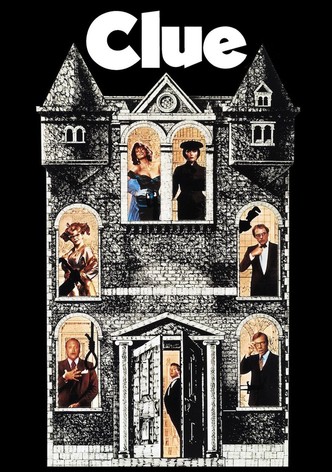
Another factor that makes a movie a cult classic is a devoted cult following. Some movies never scored big at the box office during their initial theatrical run. But year after year, they still get screened in theaters around the country to audiences who know every word of dialogue, share memes online, quote the film to their friends, have posters hanging in their rooms, and are always looking for new ways to incorporate the movie into their lives. Films like Clue (1985) have developed ravenous fanbases who, like myself, can’t understand why more people aren’t totally obsessed with it. It still gets screened around the country, and oftentimes members of the cast will even hold meet-and-greets with fans at the screenings.
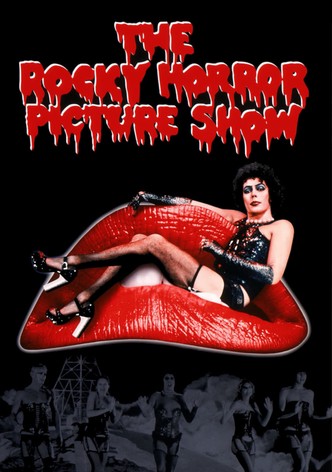
Then come the massive cult films like The Room and The Rocky Horror Picture Show. These movies both bombed upon their premieres but, over the years, have developed a seriously wild cult fandom that goes all-out during screenings.. For Rocky Horror, especially, groups of fans around the world (yes, the world) host what are known as shadow casts, where actors get on stage in front of the film and act out every single scene as the audience (who have a script of their own) participate by shouting back, throwing toast at the screen, and harassing “virgins” (first-timers to the cult screening).
Movies like The Room and Repo: The Genetic Opera (2008) also have cult screenings with audience participation. To this day, Tommy Wiseau even hosts screenings of The Room with Q&As and more. I went to one of his hosted screenings in LA, and trust me, it was one of the wildest, funniest nights of my life.
Why Are Cult Classics So Popular?
In general, cult classics are popular because they’re unique, quirky, and wholly, unabashedly themselves. As Backstage magazine put it, a cult classic movie is “not a film that 100% of people love at a 5% level; it’s a film that 5% of people love at a 100% level.”
Cult movies often tell a story from a unique viewpoint, center on an obscure topic, blend genres, have a wickedly smart script, or have unique cinematography and aesthetics. They all have a certain je ne sais quoi that gives them quirk and charm that mainstream audiences tend not to understand. But for those who do, they can’t get enough of it.
Movies being ahead of their time has a lot to do with this, too. Many cult classics weren’t huge hits during their initial releases, but as time went on and audiences changed, they ended up finding the love they deserved. Deep Blue Sea (1999) was a cheesy romp when it hit theaters in the late ‘90s. But nowadays, as society has learned to embrace camp, the shark movie’s bombast is celebrated instead of mocked.
In the opposite direction, movies like Event Horizon (1997) failed at the box office because critics deemed them too dark, too gloomy, and too macabre, leading to horrible reviews. And in an era before social media, critics could make or break a film. But thanks to the home video market, people could rent the movie for a fraction of the price of seeing it in theaters, making them more okay with seeing a movie they might not like. Eventually, what they discovered was a sadistic, gripping movie that was truly a trip to Hell and back. For horror and sci-fi fans, it was exactly what they wanted, even if the critics told them otherwise.
Queerness also plays a huge part in making a cult classic. As an outlying and marginalized group, the queer community tends to view the world through a different lens than the straight white men who run Hollywood. So it’s natural that “wholesome” whitewashed blockbuster hits like Field of Dreams (1989) don’t resonate with the community. Some filmmakers, like John Waters, have created an entire career by making raunchy, subversive, queer movies that are hated by the mainstream but loved by those who get it. From Pink Flamingos (1972) to Serial Mom (1994), and more, Waters has an entire filmography of cult hits. Other cult classics that owe much of their ongoing success to queer viewers include The Craft (1996), Drop Dead Gorgeous (1999), and To Wong Foo, Thanks for Everything! Julie Newmar (1995).
5 Cult Classics Everybody Should Watch
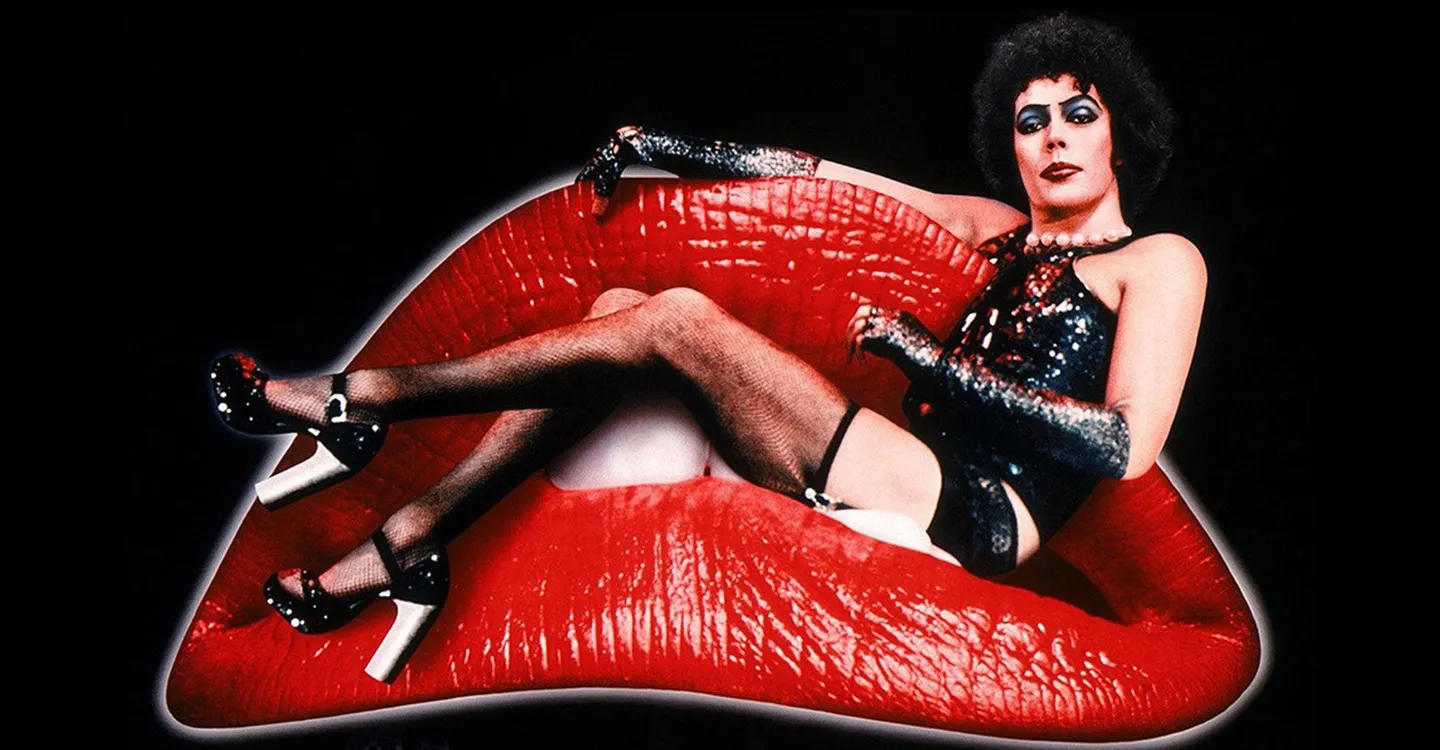
The Rocky Horror Picture Show (1975): Based on the stage musical The Rocky Horror Show, Richard O’Brien’s film is a salacious, queer take on Frankenstein. In the movie, a mad scientist named Dr. Frank-N-Furter (Tim Curry) builds himself a muscular, hunky man to help him… relieve some tension.
But when two stranded motorists (Susan Sarandon and Barry Bostwick) arrive during his grand unveiling, everything changes, and the party turns into a smutty, bloody romp filled with fishnets, murder, and grand musical numbers. It’s like someone took Hedwig and the Angry Inch (2001) and spliced it together with Spaceballs (1987).
The Room (2003): The Room is a horrible, low-budget movie made by the mysterious Tommy Wiseau. Who he is, where he’s from, how old he is, and how he came up with the money to finance a movie is all a mystery, made even more intriguing by just how horrible the film is. The Room isn’t really about anything. It’s loosely plotted around an affair, but it’s loaded with melodrama and nonsensical scenes full of horrible acting, horrible editing, and a horrible script.
Trust me, it’s so awful you can’t stop laughing. It’s one of those rare so-bad-it’s-good films, and its atrocity is what’s led to its massive cult fandom. In 2013, actor Greg Sestero wrote a memoir about his experience making The Room called The Disaster Artist, which was later turned into a film in 2017.
Elvira: Mistress of the Dark (1988): Elvira is a character created by Cassandra Peterson who dominated light-night horror flicks in the ‘80s. In 1988, she got her own movie, where she travels to a pretentious small New England town and discovers her witchy ancestry. The movie is hilarious, gaudy, and just a little tacky (in all the right ways).
Elvira is a free-spirited weirdo forced to live amongst the stringent, prude, and pious locals who try to suppress her individuality at every turn. But in classic Elvira form, with a little magic and ample cleavage, she shows the town how to have some fun. Critics panned the film upon its premiere, but it gained fame in the home video market and even more so during the streaming era. If you want to experience the pinnacle of “camp,” this is the film for you.
Clue (1985): As each year ticks by, Clue just keeps on getting more popular. Based on the notable board game, Clue sees an ab-so-lute-ly fantastic ensemble cast take on the roles of Professor Plum, Mrs. White, Colonel Mustard, and all the other iconic game characters.
Naturally, they all meet in a mansion, murder is committed, and the group must figure out who did it. It’s got one of the smartest, funniest scripts in Hollywood history, and its all-star cast (including legends like Tim Curry, Martin Mull, Madeline Kahn, Christopher Lloyd, Eileen Brennan, and Michael McKean, among others) hits a homerun in every scene. If you loved Knives Out (2019), this is one of the movies that Rain Johnson cites as his inspiration.
Pink Flamingos (1972): Often called one of the filthiest movies ever made, Pink Flamingos sees drag queen Divine go head-to-head with Raymond and Connie Marble to be deemed “the filthiest person alive.” What follows is a seriously perverse and offensive plot filled with hilariously obscene dialogue and a bunch of stuff you won’t believe ever made it into cinemas.
Pink Flamingos is one of the most iconic and textbook examples of a midnight movie and was revolutionary for the world of indie cinema. Upon its release, Variety called it “One of the most vile, stupid and repulsive films ever made.” Naturally, audiences lined up to see what all the fuss was about, and John Waters became an overnight sensation, both loved and reviled. But, as stated before, time changes everything, and now Pink Flamingos is part of the Criterion Collection. In 202, it was even added to the Library of Congress.