
If you were to come up with a list of the most controversial directors alive today, Spike Lee would probably be close to the top. As one of the foremost Black filmmakers, Lee’s films may be polarizing, but they all have an air of authenticity to them. If you want a film about being Black in America, or a movie that isn’t afraid to push some buttons, Spike Lee, whether you like him or not, is your guy.
With his latest film, Highest 2 Lowest (2025), making waves on AppleTV+, now is the perfect time to look at the best films Lee has ever directed. With a staggering filmography spanning decades and dozens of films to choose from, there are plenty of options, and most, if not all of them, can easily qualify for this list. I’m going to keep this list to only five titles to better showcase the heights that Lee’s filmmaking is capable of. If you’re interested in watching the best Spike Lee movies, here are the ones you need to watch first, in order of release date.
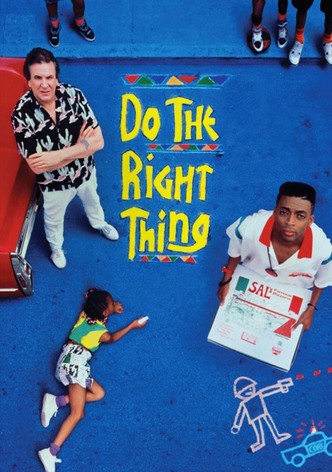
Do the Right Thing (1989)
While Lee’s first film was 1986’s She’s Gotta Have It, it wasn’t until Do the Right Thing that Lee’s career really took off. In a lot of ways, it was Lee’s passion project. Not only did he direct it, but he also wrote and starred in it, showing his strengths both as an actor and a creative force.
The various ways that Do the Right Thing approaches racial relations are commendable. It doesn’t try to glamorize it or turn it into a melodramatic spectacle like in Crash (2004). It shows the lingering tensions in New York that feel all too real between differing political and social ideologies. Much like Boyz n the Hood (1991), it feels like a time capsule of Black culture and the Black experience of the late ‘80s and early ‘90s, showing the struggles of what it was like back then and, arguably, how little things have changed. It’s refreshing to see a movie as honest as Do the Right Thing, and Lee's script does a deft job at exploring the ways racial tension is handled. If you’re looking for a movie that delivers a complicated examination of race that feels balanced, Do the Right Thing is for you.
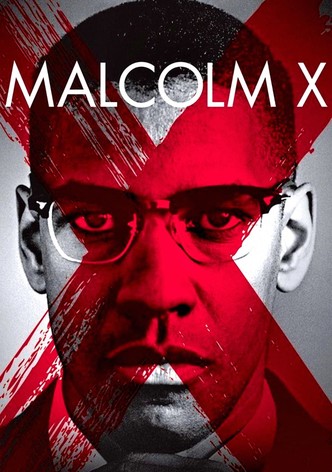
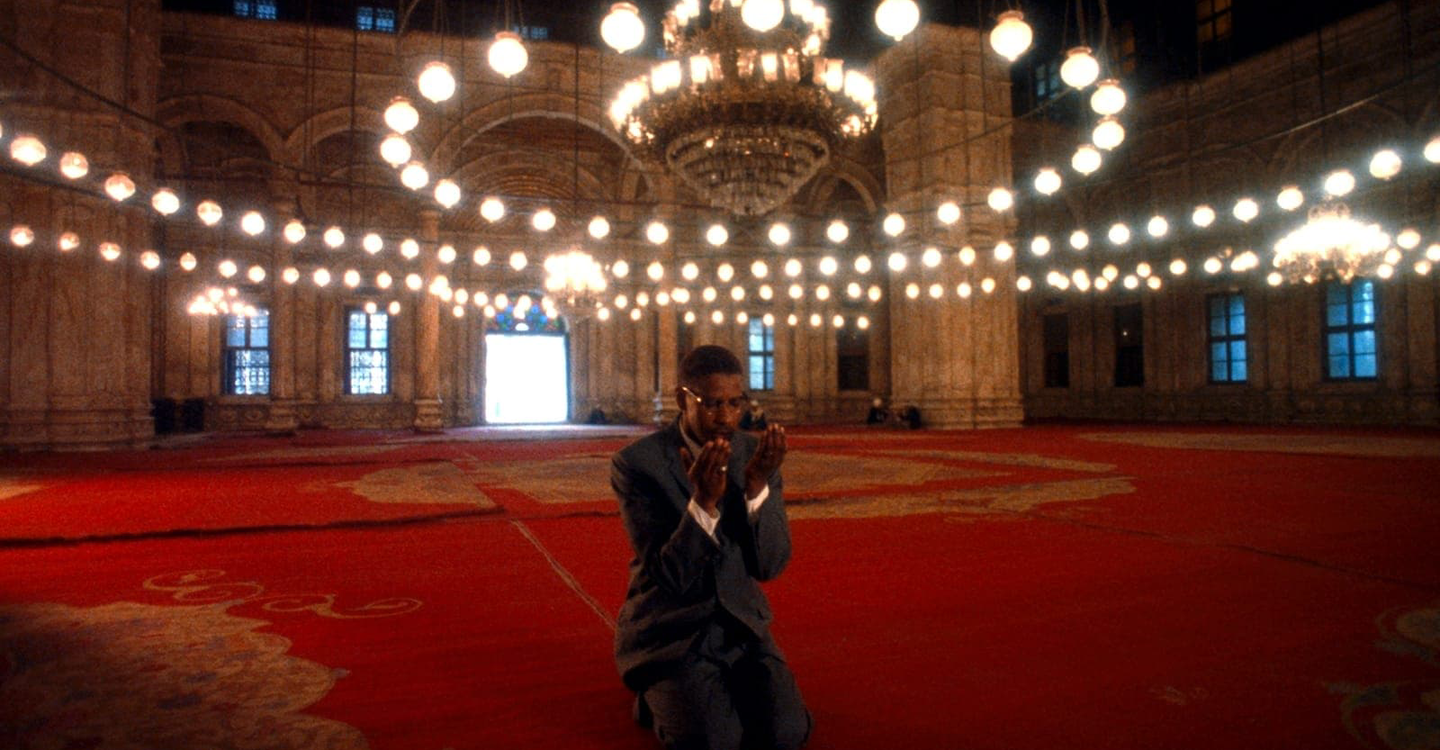
Malcolm X (1992)
Malcolm X is one of the most important figures of the Civil Rights Movement, right alongside Dr. Martin Luther King Jr.. While both men had very different ideologies on how to approach the struggles facing African Americans, it’s clear from Malcolm X that Spike Lee took a lot more interest in the methodology and ideas of the Nation of Islam than King’s pacifistic preachings.
Malcolm X is the perfect movie for anyone looking for a great cinematic biography. The journey that Malcolm X, played wonderfully by an up-and-coming Denzel Washington, goes through is a fairly comprehensive look at his life. Parts are obviously embellished, but they still help to convey just how complex his life was. Lee gives Malcolm the respect he deserves, and if you got invested in the high-stakes political discourse of Judas and the Black Messiah (2021), you’ll find a lot of that same energy in Malcolm X. It’s provocative, much like Lee’s other films featuring race, but it’s capable of generating discussion and should be seen if you want to see a truly stellar cast and director tell that story of one of the most important Civil Rights figures in history.
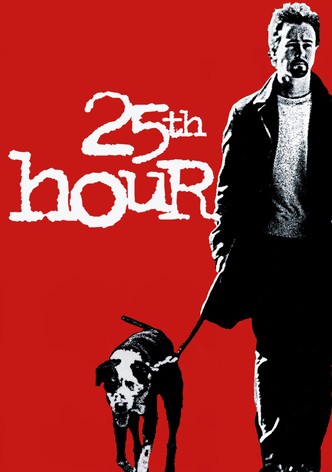
25th Hour (2002)
If there’s one thing you can say about Spike Lee as a director, it’s that he doesn’t shy away from challenging subject matter. He will tell it like he sees it, and whether or not that rubs people the wrong way is entirely up to them. While his focus is usually dead set on examining the role of race in modern-day America, 25th Hour instead focuses on the effect 9/11 had on people.
On the surface, 25th Hour functions more as a character piece, following Edward Norton’s Monty as he figures out how to spend his last day of freedom before he goes off to prison. That drama is all handled well, instilling in the audience a sense of doom and regret that’s impossible to ignore. But it’s the way the film depicts New York following the September 11th attacks that really sticks with you. 25th Hour doesn’t shy away from showing how the attack hurt New York. The scene where Norton rants about the things he hates is raw and ugly, but it channels a lot of the frustrations people were feeling and the bigotry that, as much as people like to think wasn’t present, very much was. It’s not a glamorous movie, much in the same way that Taxi Driver (1976) is hard to stomach, but if you want an honest reflection of New York City and the lingering effects that 9/11 had on the country, 25th Hour is a perfect reminder of that period in America’s history.
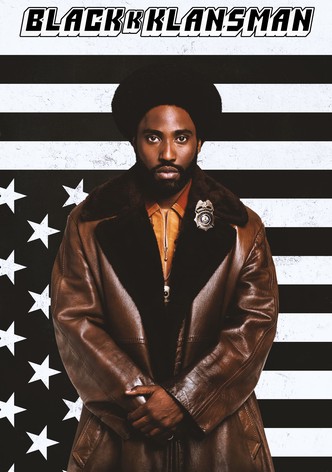
BlacKkKlansman (2019)
It’s safe to say that for most of his career, Spike Lee was always a bridesmaid and never a bride. While his films were, for the most part, critically acclaimed, he rarely received due recognition at awards shows. Maybe it was because of his outspoken and provocative nature, but it took until 2019 for Lee to finally win his first Oscar for Best Adapted Screenplay with BlacKkKlansman.
BlacKkKlansman is, arguably, Lee’s most accessible film. It mixes comedy and drama in a way that makes you root for John David Washington’s ludicrous quest to take down a local chapter of the KKK. It’s almost impossible not to laugh at the idiocy of the KKK and how easily they’re fooled by the police, and the ‘70s style, reminiscent of Blaxploitation films, feels distinct. Then, the ending happens. While I wouldn’t say that BlacKkKlansman is lighthearted, it comes across as a stylized Hollywood thriller in the same vein as Training Day (2001) or The Infiltrator (2016). But when the final scene comes after the 2-hour and 15-minute runtime, it hits with the weight of a freight train. Sure, the events of the film are dramatized, but the dark racial undertones are still present, and sadly, all too relevant. BlacKkKlansman is the kind of bold film that is perfect for those looking to not only see Spike Lee at his most cutting, but also for those who want to see a police thriller with some teeth.
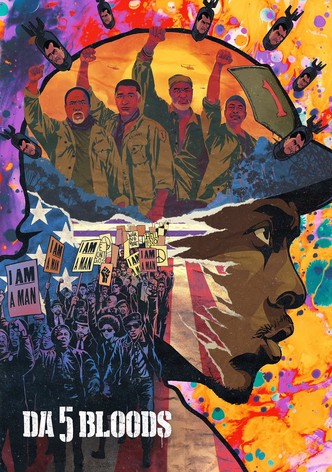
Da 5 Bloods (2020)
Spike Lee is no stranger to war movies, but there’s a certain air to Da 5 Bloods that makes it stand apart from the crowd. In many ways, it may seem like yet another Vietnam War story in the same vein as Apocalypse Now (1979) and The Deer Hunter (1978), but the way the films handle the legacy of the war is fascinating. While the story of how these Vietnam War veterans reunite to search for a long-lost stash of gold in the jungles of Vietnam may seem trite, the way that the film explores each of the characters more than makes up for the somewhat lacking plot.
Each of the cast members holds some kind of regret over their actions in Nam. Some have come to terms with their actions and the death of their captain, played by Chadwick Boseman, but most haven’t. Delroy Lindo, especially, delivers a compelling and awe-inspiring performance as a character who feels all too modern and relatable in today’s political climate. As Spike Lee gets older, seeing him tackle the decisions people make and how they shape them feels oddly reflective, making this a worthwhile war movie for older audiences who are reflective about their own life choices. Sure, there may be the occasional action sequence, but this is a movie about war that never truly ends and haunts those who fought in it. It’s a great anti-war movie, and one of Lee’s finest.