How To Watch The 'Alien' Movies In Release Order (And Where You Can Watch Them)

After a seven-year hiatus, the Alien franchise returned to the big screen with Alien: Romulus (2024), and left fans excited for the franchise’s future. A sequel to Alien: Romulus is on the way, while the franchise recently debuted its first official TV series, Alien: Earth(2025), assuring viewers that the revival is still going strong.
For viewers interested in the franchise’s resurgence, this guide will explain how to watch the Alien movies in order and where you can find them on Hulu, Disney+, and more.
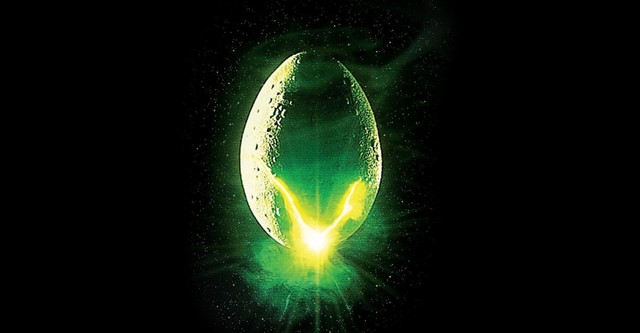
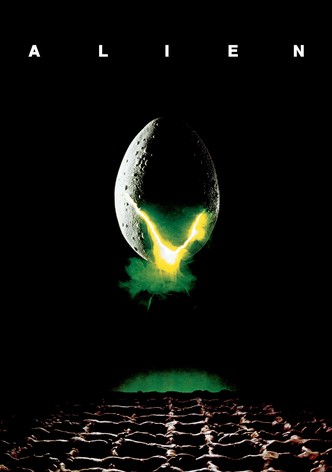

The Alien franchise began in 1979 with the release of Alien from director Ridley Scott. It follows the crew of the spacecraft Nostromo, who are on their way home from a mission in deep space when an alien species (later identified as Xenomorphs) infiltrates their ship. Alien is one of the best sci-fi horror movies ever made. The blend of horror and sci-fi, the strong female lead in Sigourney Weaver, and the chilling and dreadful premise make it a groundbreaking and suspenseful movie.
The scene where the alien emerges through Kane’s (John Hurt) chest is considered one of cinematic history’s most iconic scenes. Alien stands out as a sort of haunted house movie set on a spaceship. It’s creative, unique, ambitious, and on par with other iconic works of sci-fi horror, such as The Thing (1982) and The Substance (2024). However, it’s not just for sci-fi horror fans as its influence on sci-fi and lasting legacy also make it a must-see for film enthusiasts in general.










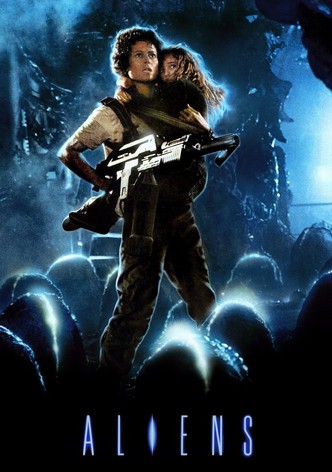

Weaver returned for the 1986 sequel, Aliens, with James Cameron signing on to direct. The film sees Ripley return to the original site of the attack on Nostromo after another ship goes dark while in the area. Aliens achieved what few sequels do, proving equivalent to Alien in quality and thrilling viewers with its exploration of a Queen Xenomorph and further character development of Ripley.
Although it doesn’t have the advantage of the unexpected, it still manages to deliver a nonstop stream of thrills and chills. Aliens also differentiates itself from Alien by leaning more into the action genre in addition to horror and sci-fi. Viewers who loved Alien will love its sequel, which will also appeal to fans of Predator (1987) and The Terminator (1984) due to its action elements.



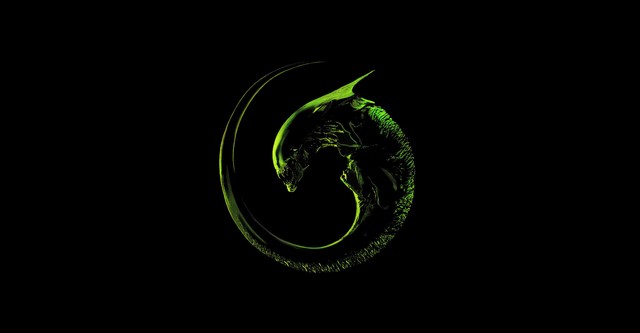
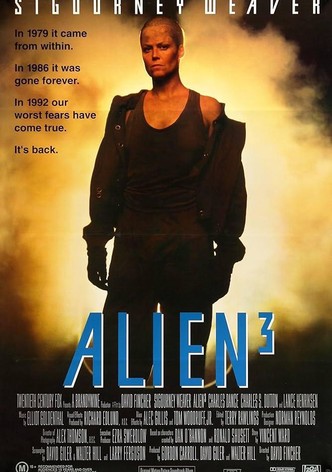

Alien 3 takes place immediately after Aliens, where Ripley and a xenomorph crash land on the desolate planet of Fiorina 161. The film maintains the horror, sci-fi, and action elements of Alien and Aliens, but upgrades the visuals quite significantly. It’s a visually pleasing and action-packed adventure. However, the change in scenery takes away a bit of what made the first two films so iconic and puts a damper on the suspense.
Still, it offers a satisfactory conclusion to the original trilogy for fans of the first two movies. Alien 3 is comparable to other third installment films that were well-made but didn’t quite live up to their predecessors, such as X-Men: The Last Stand (20060 and The Godfather: Part III (1990).


Alien Resurrection takes place 200 years after Alien 3, and sees a group of scientists resurrect Ripley through cloning with the goal of extracting alien DNA from her. The time jump and cloning premise were a bold move for the franchise that effectively offers a new and refreshing take for viewers. It also returns to the franchise’s roots in a way, pushing the boundaries like Alien with its bloody, graphic, and innovative body horror.
Alien Resurrection’s tone is a little uneven, and it struggles to reinvent the franchise in an interesting way. Still, it is one of the funnest films in the franchise with its outlandish premise and unrestrained horror. Quality-wise, it is most similar to Alien 3, though it contains plenty of nods to the original movie’s legacy as well. Alien Resurrection may also appeal to fans of zany cloning sci-fi movies like Mickey 17 (2025).


Alien vs. Predator diverges from the previous Alien movies and starts a new crossover franchise with Predator. In the film, billionaire Charles Bishop Weyland’s (Lance Henriksen) expedition to Antarctica takes a dismal turn when he’s caught in the middle of a fight between two extraterrestrial species. Like Aliens, Alien vs. Predator leans heavily into the action genre.
The crossover format means it holds some appeal for fans of both Alien and Predator, though it’s not as well-made as the films in the individual franchises. It struggles to capitalize on the sci-fi/horror elements, resulting in little genuine suspense and scares. Alien vs. Predator comes across more as a classic monster vs. monster movie, like Godzilla vs. Kong (2021) or Monsters vs. Aliens (2009). Diehard fans of the original Alien films might not like this departure from the franchise’s roots, but it’s a good choice for viewers seeking a guilty pleasure monster-esque movie.



In Aliens vs. Predator: Requiem, the fight between the Xenomorph (Alien) and Yautja (Predator) continues in a small Colorado town, where the unfortunate residents must work together if they want to survive. The film will appeal to fans of the first Alien vs. Predator movie, as it follows the original’s formula quite closely. Once again, it boasts more entertainment value than anything else, but it’s a little darker and more violent than Alien vs. Predator, which adds to a few more thrills.
Although it received poor reviews, it’s not unlike the typical crossover film, boasting a quality similar to Freddy vs. Jason (2003) or Dracula vs. Frankenstein (1971). All these films primarily rely on the crossover format and popularity of the characters to carry them. Viewers who are content just with the spectacle of seeing these extraterrestrials together will enjoy Aliens vs. Predator: Requiem.


Prometheus serves as a prequel to Alien and follows archaeologists Elizabeth Shaw (Noomi Rapace) and Charlie Holloway (Logan Marshall-Green), who set off on an expedition hoping to find the origins of humanity but instead stumble on something else entirely. Fans of the first four Alien movies will love the return to the franchise’s roots after the crossover movies.
It’s also an interesting expansion of lore that brings some truly original ideas to the franchise and deviates from the previous films’ format. Between its strong performances, dazzling visuals, and ambitious storyline, Prometheus is one of the stronger Alien entries. In addition to appealing to Alien fans, its hostile alien planet parallels movies like Prospect (2018) and Solaris (2002).



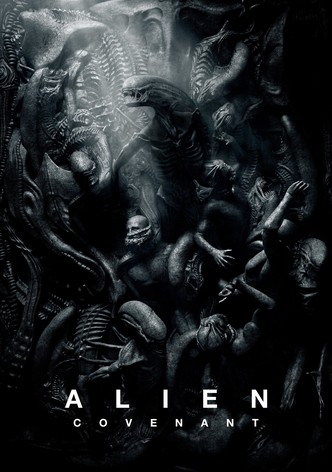

Alien: Covenant is the sequel to Prometheus, and sees the crew on the colony ship Covenant land on what they think is a remote planet, only to stumble upon hostile aliens. The film boasts a similar quality to Prometheus, offering an exciting and action-packed story rife with suspense and body horror. At times, though, it feels a bit repetitive as it doesn’t offer anything particularly new to the franchise.
Still, it’s a solid sequel to Prometheus that satisfyingly wraps up the prequel movies. If you’re looking for a film that draws from both Alien and Prometheus, offering an interesting blend of the prequel’s themes with the signature horror of the original, you’ll enjoy Alien: Covenant.


Alien: Romulus goes back to the franchise’s roots again, as it takes place between Alien and Aliens, though it features a brand-new cast. In the film, a group of young scavengers travels to a seemingly abandoned space station in search of scraps, only to stumble upon a terrible discovery. Alien: Romulus truly captures the spirit of Alien and Aliens, pushing the boundaries when it comes to creepiness and absurdity.
It’s one of the first modern Alien films to really capitalize on the horror essence of the first films and deliver satisfying jump scares and chills. While it boasts the spirit of the original, it also offers enough twists and turns to feel new and unpredictable. In addition to reflecting the Alien movies, it’s reminiscent of other horror/sci-fi classics like Event Horizon (1997) and Ex MachinaI (2015).