
This article was originally written by Jenni Russell and published on 8 April 2025.
Famed for its hand-drawn animation style and legendary co-founder and director, Hayao Miyazaki, Studio Ghibli is one of the most successful and beloved animation studios in the world. It all began when Toshio Suzuki hired Miyazaki to direct 1984’s Nausicaä of the Valley of the Wind, which Takahata produced. That film’s success led to the three filmmakers founding Studio Ghibli in 1985.
Miyazaki’s early films, like Castle in the Sky (1986), My Neighbour Totoro (1988) and Kiki’s Delivery Service (1989), soon became critical and commercial successes in Japan. The studio then found international acclaim with the release of Princess Mononoke in 1997, which was the first animated film to win the Japan Academy Film Prize for Picture of the Year.
To date, Studio Ghibli has released 23 movies, some of which are considered masterpieces. Read on to discover more and use the guide below for details on where to find every Studio Ghibli movie on services like Netflix, Prime Video and more.
Nausicaä of the Valley of the Wind (1984)
As we mentioned above, Nausicaä of the Valley of the Wind was released before Ghibli was founded, but it’s still widely considered not only among the studio’s back catalogue but one of its greatest movies. Miyazaki had already been working in anime for 20 years by this point, but the movie gave him the chance to adapt his own manga, the first of which was released in 1982 and would continue to run until 1994.
Though the movie seems to be exploring our own relationship with the natural world, a recurring Miyazaki theme, this is one of the director’s most action-packed movies: a true hero’s quest in an unfamiliar world. Put it this way: if you have any love for Dune or Avatar, this is one you will not want to miss.
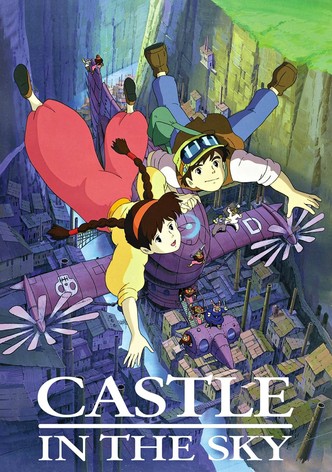
Castle in the Sky (1986)
Sticklers for details will tell you that Castle in the Sky is technically the first Studio Ghibli movie, which is mostly true. It’s also a wonderful example of all the things that Ghibli and Miyazaki do best—steampunk vibes, child protagonists, flying pirates, magical castles, and so on.
The plot follows two young protagonists on a quest to enter Laputa, the legendary flying castle, using a magical crystal necklace. This is a great one to watch if you’re a fan of Miyazaki’s more fantastical movies, like Ponyo or Howl’s Moving Castle.
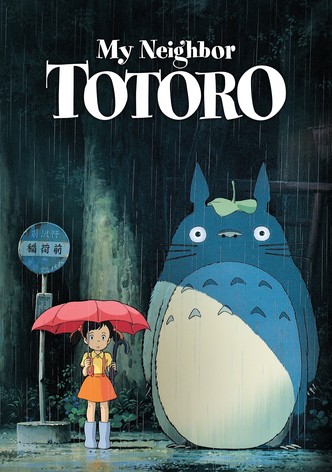
My Neighbour Totoro (1988)
There are many reasons why My Neighbour Totoro is considered the quintessential Ghibli movie and why the character went on to symbolise what the studio is all about. The plot is classic Miyazaki, focusing on two young girls who move to the country and meet a group of forest spirits, including the eponymous, cuddly hero. But it’s the way that the director uses these magical elements—first for the characters to escape from a difficult time in their lives and later as a lens through which to process it—that proved to be the most significant and influential aspect for the studio going forward.
Totoro is a Ghibli movie that viewers of all ages can enjoy—so if you like Ponyo and The Cat Returns, or even non-Ghibli films like The Wild Robot or The Iron Giant, this is one you need to check out.
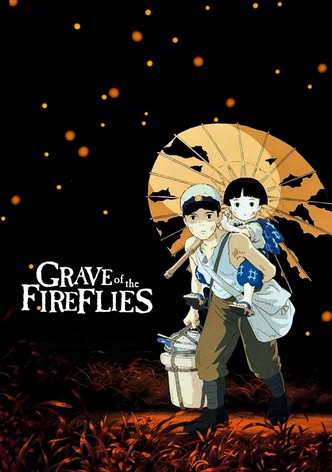
Grave of the Fireflies (1988)
Directed by Isao Takahata, Grave of the Fireflies is one of the most heartbreaking movies ever made. The story is set in the final months of WWII, making it one of the rare Ghibli movies to be fully set in the real world and based, at least partially, on true events.
The movie was adapted from Akiyuki Nosaka’s semi-autobiographical story of his experiences as a boy during that time. It’s also a rare Ghibli movie that wasn’t made by Miyazaki, but if you liked the director’s The Boy and The Heron and The Wind Rises, or even Spielberg’s Empire of the Sun, all of which took war and personal histories as their backdrop, you’ll definitely appreciate this one.
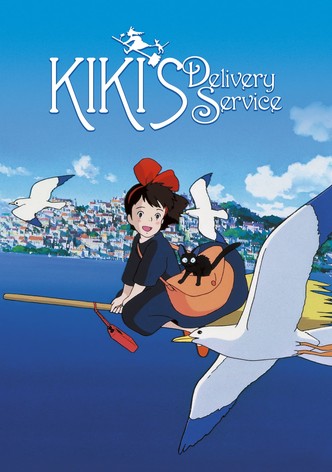
Kiki’s Delivery Service (1989)
After two masterful, heart-wrenching movies, Ghibli returned to magical, steampunk fun with Kiki’s Delivery Service. This is the kind of Miyazaki-directed movie you can watch with pretty much any member of the family—it’s fun, it’s light, and it’s action-packed from start to finish.
Focusing on a 13-year-old witch who leaves home for the first time, as a kind of rite of passage, the movie is a classic Ghibli coming-of-age tale that fans of later works, like Spirited Away, or similar female-led movies, like Pixar’s Brave, will adore.
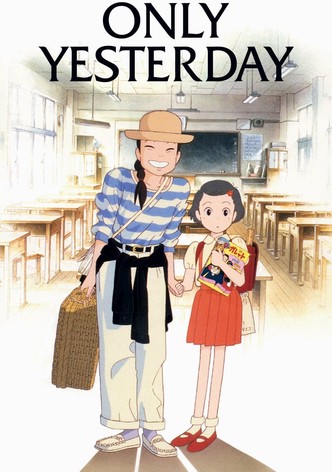
Only Yesterday (1991)
Only Yesterday is probably one of the least well-known of the studio’s early output, but it’s definitely worth seeking out. The moving and melancholy story follows an office worker who takes a vacation to the countryside; while there, she reminisces about her childhood.
Only Yesterday is Takahata’s followup to Grave of the Fireflies and, unlike most Ghibli movies, it takes place in the real world and the present day—so if you like anime that’s a bit more grounded in reality (think Whisper of the Heart) or are simply a fan of Japanese melodrama (think Kore-eda’s After the Storm and Still Walking), this might be the one for you.
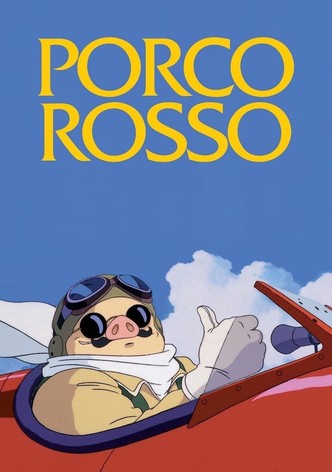
Porco Rosso (1992)
Miyazaki returned in 1992 with Porco Rosso, one of the most fantastical movies in his career. The story follows a fighter pilot and war hero who, due to some kind of curse, also now resembles a pig.
Like Kiki’s and Nausicaä, Porco Rosso is a movie that showcases the director’s beautiful fascination with flight—so if you are a fan of his gorgeous recent movie, The Wind Rises, or even just need something to watch with the younger members of the family, this is one I can’t recommend enough.
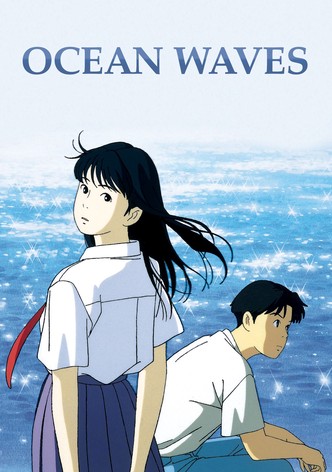
Ocean Waves (1994)
Directed by Tomomi Mochizuki, Ocean Waves was originally produced as a TV movie in Japan and only later received a theatrical release. As a result, it’s understandably less well known and less ambitious than most other movies on this list, but it’s still a thoughtful and introspective piece of work—and if you liked Only Yesterday, it’s one you’ll probably vibe with.
Adapted from Saeko Himuro’s novel, the story focuses on a college student, Taku, as he reflects on a young romance and a pivotal time in his life.
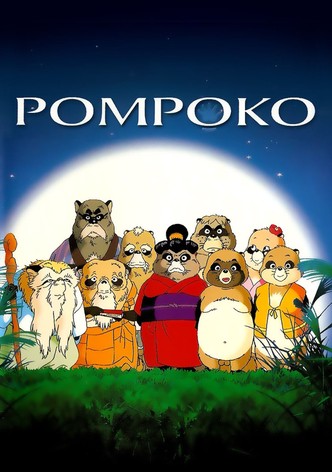
Pom Poko (1994)
Pom Poko is Isao Takahata’s third movie for Ghibli and his first work of fantasy for the studio. The story focuses on some real-world themes (namely, how urban development takes its toll on the natural world), but it’s told from the perspective of a community of raccoon dogs.
In some ways, this is a classic Ghibli setup—and if you appreciate Nausicaä or Princess Mononoke, you’ll probably like it—but you might also find it reminiscent of some Western animations, like FernGully and Watership Down.
Whisper of the Heart (1995)
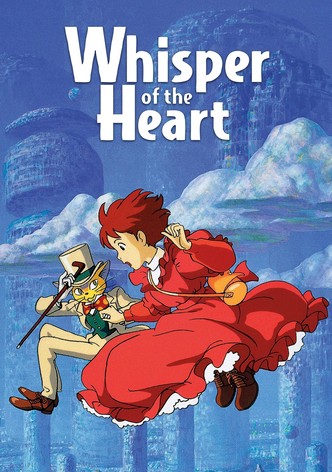
As we mentioned earlier, Whisper of the Heart is one of the rare Ghiblis that feels rooted in the real world and the present—so if you’re a fan of Ocean Waves and Only Yesterday, make sure to add it to your list.
That said, where those movies looked at memory with a sense of melancholy and nostalgia, Whisper of the Heart, which is told from the perspective of a 14-year-old girl, is more of a classic coming-of-age tale. If you appreciate the vibe of Kiki’s or Totoro but would prefer something with fewer fantastical elements, this could be the one for you.
Princess Mononoke (1997)
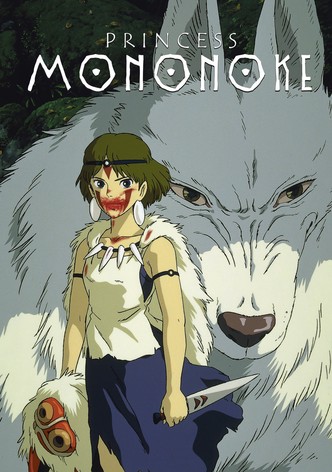
Just over a decade after co-founding Studio Ghibli, Miyazaki built on the ambitions of Nausicaä with Princess Mononoke, one of the truly great masterpieces of animated cinema as well as one of the studio's and Miyazaki’s crowning achievements.
The movie is a classic adventure tale that plucks its protagonist, Prince Ashitaka, from a small village and drops him into an epic struggle between the spirits of the natural world and the humans of Iron Town. This plot will be familiar to fans of Avatar, FernGully and various other movies—but none boast Mononoke’s beauty and imagination.
My Neighbours the Yamadas (1999)
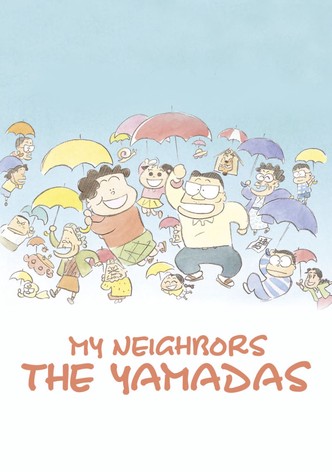
In 1999, Takahata tried another change of pace with My Neighbours the Yamadas, a watercolour-like animation that looked closer to a comic book than anything the studio had produced before. Seen today, the movie appears like an early experiment in the style that Takahata would fully embrace with The Tale of Princess Kaguya—so naturally, if that’s a favourite of yours, make sure to go back and check this one out.
The story, which is told through a series of vignettes, focuses on the quirky Yamada family and the ups and downs of their daily life.
Spirited Away (2001)
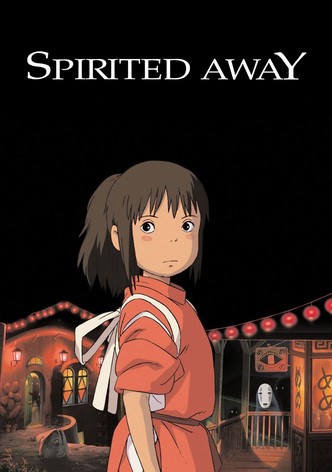
In 2001, Studio Ghibli produced Spirited Away, which won the Golden Bear at the Berlin Film Festival before becoming the highest-grossing Japanese film (until recently), and the first non-English-language movie to win the Academy Award for Best Animated Feature. Yet those accolades don’t really come close to capturing Spirited Away’s cultural impact—this was the movie that introduced Ghibli to a whole new generation and basically cemented Miyazaki’s place as one of the most significant figures in the history of animated cinema.
Needless to say, I would recommend it to anyone—it’s the perfect combination of the magical side of Ghibli (think Kiki’s and Laputa) and the more grounded, real-world elements (like Whisper of the Heart, or the family dynamics in Totoro). The story follows a young girl, Chihiru, as she attempts to stop her parents from turning into pigs. To do this, she will have to work in a bathhouse run by a witch. She will also need to befriend a boy who is a dragon. Now that’s what I call an elevator pitch.
The Cat Returns (2002)
The next Ghibli movie to arrive after Spirited Away’s monumental success was Hiroyuki Morita’s The Cat Returns, a comparatively low-key movie that is probably best suited for slightly younger audiences—think more Porco Rosso and Ponyo than Grave of the Fireflies.
At one point in that film, the protagonist, Shizuku, dreams up a character named Baron Humbert von Gikkingen: a suave, talking cat from a magical world. The Cat Returns tells its story. Though it takes place in one of Ghibli’s signature fantasy/steampunk-coded worlds, the story is actually a loose spinoff from one of their most grounded movies, Whisper of the Heart.
Howl’s Moving Castle (2004)
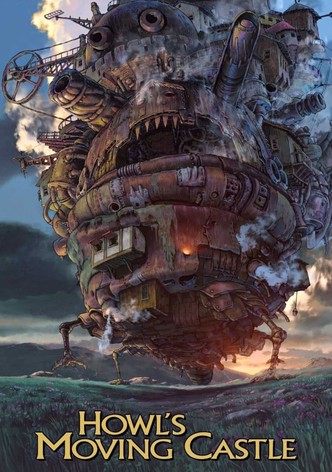
Miyazaki unexpectedly made his grand return in 2004 with the romantasy-like adventure, Howl’s Moving Castle, after the movie’s original director, Mamoru Hosoda (who went on to make Mirai and Belle), pulled out. This is another story of floating fortresses in a steampunk-adjacent world—imagine a mix of Castle in the Sky and Beauty and the Beast, and you’ll have some idea of what to expect.
The story follows a beautiful milliner who gets turned into an old lady and ends up hitching a ride on the titular palace, meeting its titular, brooding wizard along the way.
Tales from Earthsea (2006)
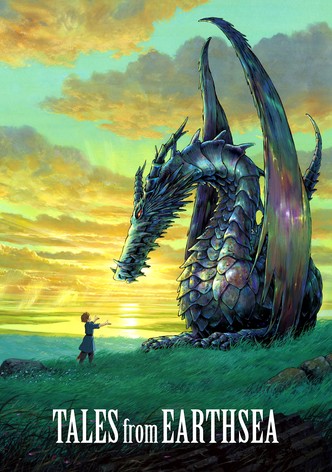
It’s safe to say that, for many viewers, Tales from Earthsea was the first disappointment in the history of Studio Ghibli—and not least for Miyazaki himself. The story goes that the great science fiction writer Ursula K. Le Guin agreed to allow Studio Ghibli to adapt her Earthsea stories after seeing Spirited Away. Unfortunately, and much to Le Guin’s surprise, the Miyazaki that was pencilled to direct them was not Hayao but Gorō, his inexperienced son.
The resulting film (which has elements of other fantasy stories like The Green Knight and House of the Dragon) is probably worth a watch for any Le Guin diehards or Ghibli completists out there, but if you’re new to either one of their works, we recommend putting it aside for now.
Ponyo (2008)
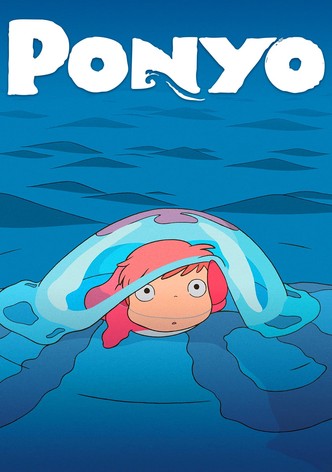
Ponyo is one of the best all-ages movies that Ghibli has produced—and if you liked Porco Rosso or Totoro or Kiki’s, you’re gonna love this one, too. It’s a story about a goldfish who wants to become human—like the myth of Undine or The Little Mermaid, but strictly kid-centric and utterly delightful.
After the slightly messy production of Howl’s and the disappointment of Earthsea, this one marked a welcome return to form for Miyazaki and for the Ghibli brand.
Arrietty (2010)
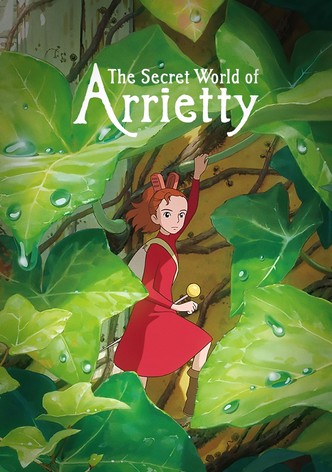
Arrietty is one of the early examples of Miyazaki’s protracted attempts to step back from his position at the studio—a situation that is still ongoing, 15 years after this movie’s release. Whatever the case, Arrietty was written by Miyazaki but directed by Hiromasa Yonebayashi—a longtime animator at the studio who was elevated to the role in an attempt (not dissimilar to how Pixar works) at developing talent from within.
The story, which concerns a family of tiny people who live secretly in the walls of a house, is based on Mary Norton’s 1952 novel, The Borrowers—so if you appreciate the live-action version of that story, from 1997, or similarly themed movies, like Ratatouille, you might want to check it out.
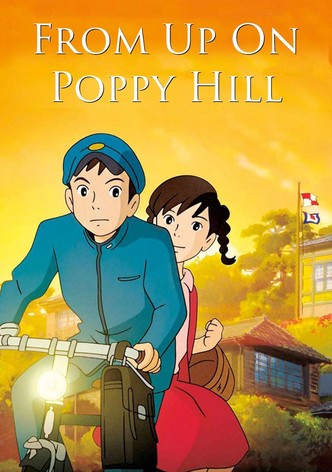
From Up on Poppy Hill (2011)
From Up on Poppy Hill was kind of a feel-good story for the studio. Miyazaki helped to develop it but gave the directorial reins to his son, Goro, and, in a way, gave him a redemption arc after the disappointment of Earthsea. Thankfully, for everyone involved, Poppy Hill was a low-key critical and commercial hit.
The movie is a subtly romantic story set in Yokohama in the 1960s—and if you’re a fan of the studio’s more historically-inclined works, like Grave of the Fireflies, or appreciate the coming-of-age mood of Whisper of the Heart, you’ll easily warm to it.
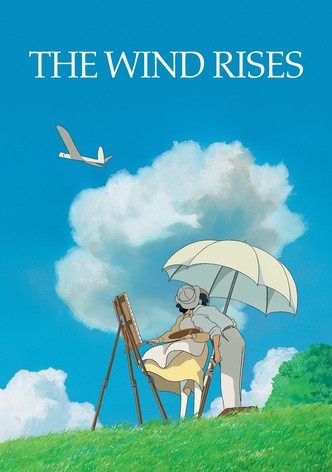
The Wind Rises (2013)
The Wind Rises is the moment when Miyazaki, and perhaps Studio Ghibli, entered his late phase. The movie, which I consider to be a masterpiece, is a fantastical biopic on Jirō Horikoshi, the Japanese aeronautical engineer who helped design the A6M Zero fighter used by Japan in WWII. This is a deeply personal work about an incredibly challenging time in Japanese history—if you’re a fan of Poppy Hill and Grave, it’s one you’ll not want to miss.
The movie was a critical darling, earning a huge ovation at its premiere at the Venice Film Festival and going on to receive a nomination at the Academy Awards, where it eventually lost out to Frozen.
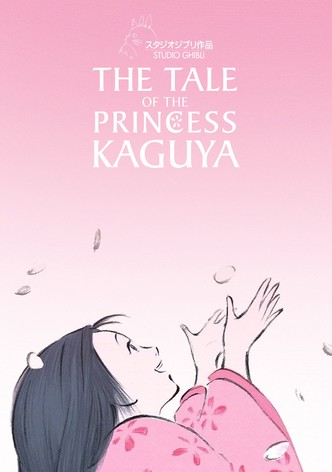
The Tale of the Princess Kaguya (2013)
Fourteen years after Yamadas, Isao Takahata fully embraced the hand-drawn style with his second great masterpiece, The Tale of the Princess Kaguya. The movie is a delicate wonder and arguably a modern classic of animated cinema—and if you appreciate the handcrafted feel of Yamadas or movies like Song of the Sea, you’ll absolutely adore this one.
The story is based on The Tale of the Bamboo Cutter, an ancient Japanese folk tale about a man who finds a tiny girl inside a stalk of bamboo.
Ronja, the Robber’s Daughter (2014)
In 2014, Studio Ghibli released its first animated television series on Amazon Prime, titled Ronja, the Robber's Daughter. The season, which consists of 26 episodes, was directed by Gorō and written by Hiroyuki Kawasaki. If you liked Kawasaki’s work on Beyblade: Metal Saga, or like Ghibli movies that focus on a female heroine, like Arrietty, you might be interested in seeing what he does here with a slower-paced kind of story.
The plot focuses on the unlikely friendship between a boy and a girl whose fathers are the chiefs of two warring clans.
When Marnie Was There (2014)
When Marnie Was There is Arrietty director Hiromasa Yonebayashi’s second Ghibli feature—so naturally, if you’re a fan of the previous movie, you’ll probably want to check this one out. It’s based on Joan G. Robinson’s 1967 English novel of the same name, with the action moved to Sapporo in Japan.
The story follows a young girl who moves to the countryside, due to illness, and meets and befriends a mysterious girl named Marnie—imagine Ghibli meets The Secret Garden, and you’ll have some idea of the tone to expect.
Earwig and the Witch (2021)
Like Ocean Waves, Earwig and the Witch was produced as a TV movie in Japan and only later received a theatrical release abroad, where it was widely panned for its use of computer animation. The story is adapted from Diana Wynne Jones’ novel about a girl who grows up in an orphanage and later learns she is a witch—a kind of Matilda/Harry Potter hybrid.
If you’re new to Ghibli, I frankly wouldn’t recommend this one, as its use of CGI animation is really not a good representation of what the studio is about. But hey, if you’re a Ghibli completist, don’t let us hold you back!
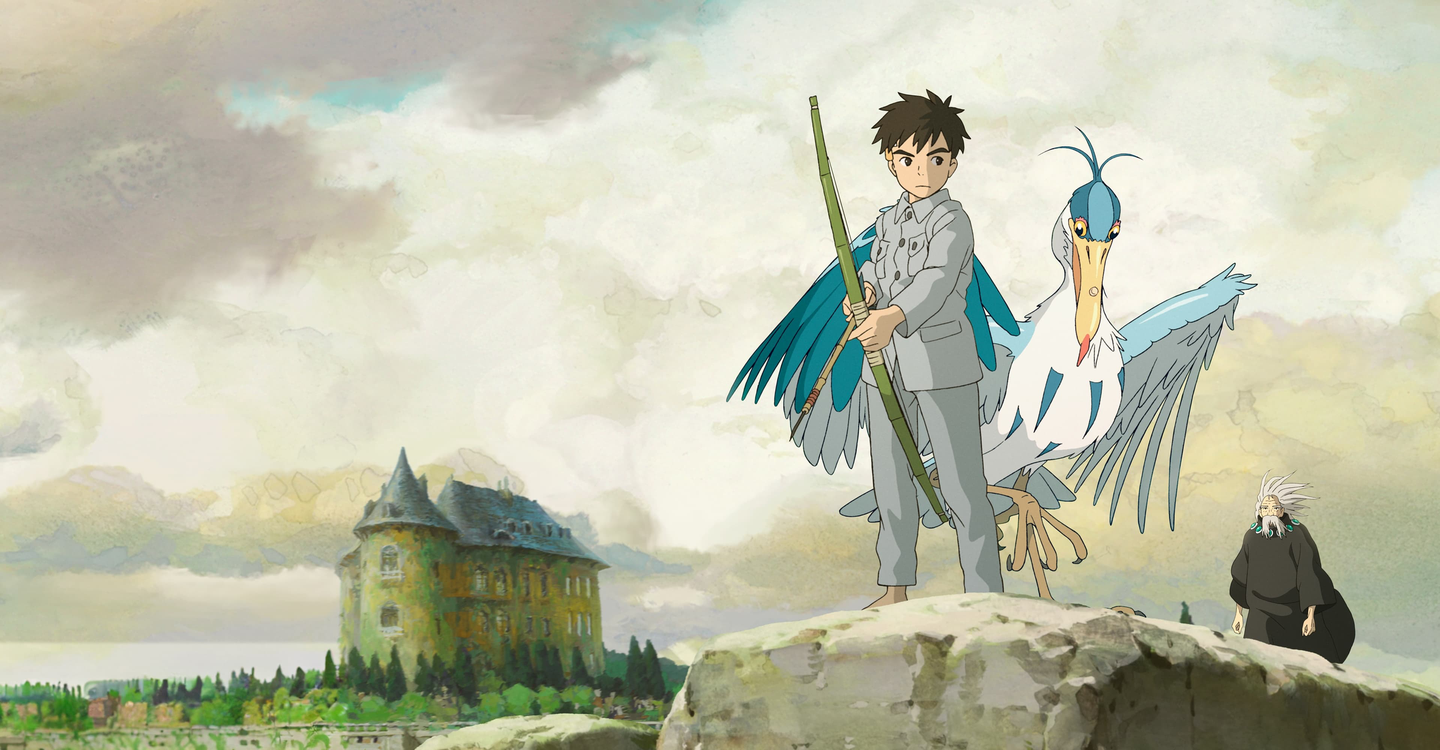
The Boy and The Heron (2023)
Despite various attempts at retiring, Miyazaki has thankfully continued directing films for Ghibli. In 2023, almost 40 years after Nausicaä, he released the wonderful The Boy and The Heron—a project which is rumoured to actually be his final work.
This is another Ghibli project that takes the Second World War as its backdrop, but it’s also one with plenty of magical and fantastical elements—imagine a combination of The Wind Rises and Spirited Away, and you might have a vague idea. I can’t say that it’s amongst my favourites from the director’s work, but if it really turns out to be his last, it’s a beautiful movie to finish on.