The Most Divisive Final Seasons In TV History

Whether you’re Lily Allen or Mohammad Salah, it’s a truism that affects us all: ending things is never easy. When it comes to our most beloved TV shows—aside from the odd exception (Mad Men always comes to mind)—it’s basically a given that some fans will not be left fully satisfied. Whether things are too rushed, wrapped up too neatly, or left with too many dangling loose ends, there will usually be a section of loyal acolytes who are left feeling a little shortchanged.
It’s too soon to say which camp the long-awaited final run of Stranger Things will end up in, but as we wait to see what happens to Max, Will, Mike and Eleven, there are plenty of older case files to look back on to give us an idea. The following shows all, for one reason or another, left the watching public in two or more warring camps — but we should also note that, in every case, it was only because we cared so much to begin with. Read on to discover more and use the guide below to find them on services like AppleTV, Netflix, Prime Video and elsewhere.


No use burying the lede here. HBO’s final season of Game of Thrones is arguably the greatest fumble in TV history — a run of episodes and moments so half-cooked, baffling and unearned that they retroactively tarnished some of the enjoyment of future rewatches.
To call the series divisive, however, is probably incorrect, as I imagine most people felt equally betrayed by the last few episodes. The more typically “divisive” period of the show was probably the years after showrunners D.B. Weiss and David Benioff overtook George R.R. Martin’s source material and started going a little rogue, not least regarding the speed at which characters seemed to move across continents. This was an era (around the end of Season 5 onward) that split the fanbase between those loyal to Martin’s books and those who only knew the show.
Whatever the case, the finale has not turned fans off completely: in 2026, we will see the release of the third season of House of the Dragon as well as A Knight of the Seven Kingdoms, a new spinoff/prequel show. The king is dead, long live the king!













Ah, The Sopranos—now here is a properly divisive season, for more reasons than one. The most obvious point of diversion, of course, was the show’s legendary finale—during which the family gathers at a diner, Journey’s Don’t Stop Believing starts to play, men are shown making movements on the street outside, and then, all of a sudden, a cut to 10 seconds of a black screen before the credits rolled.
When the episode aired in June 2007, viewers at home famously wondered if the station had cut out, leading to an online frenzy — but this ending was exactly what showrunner David Chase intended it to be: a visceral shock. Even before that, some fans had started to wonder if the decision to drop the perfectly rounded 13-episode arcs of the first five seasons for a two-part, 21-episode run had robbed the final season of its predecessor’s air-tight structure. I must admit that those critiques are not unfounded (it’s definitely the weakest of the show’s seasons), but when you’re up against perfection, it is difficult to make par.
The finale, however, at least in my opinion, works an absolute charm. If you haven’t seen it, the show is basically the defining fictional crime story of the 21st century — a worthy heir to The Godfather and Goodfellas, and all the great mob stories that came before them.

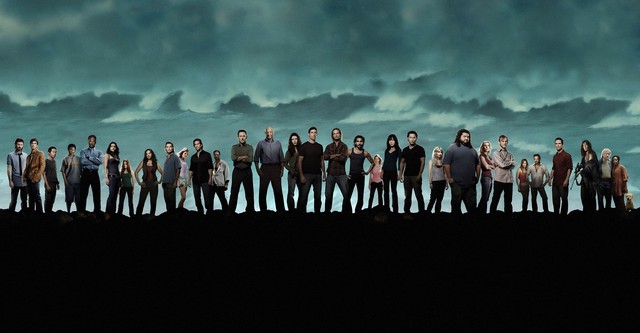
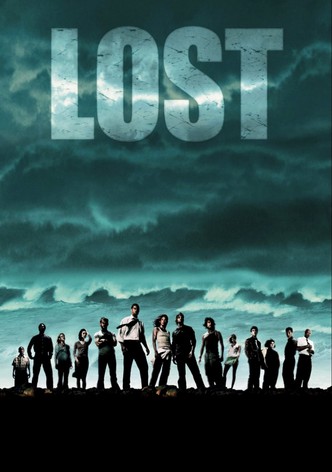
Everyone loves a good mystery box show. The problems arise when it comes to tying up all those loose ends. No show was as famously gung-ho at throwing narrative curveballs as Damon Lindelof and J.J. Abrams’ Lost, and no other show took so much flak when it came to resolving them—or not resolving them, as the case may be.
Lost began with a simple idea: a plane crashes on an island and, one by one, we start to learn about each passenger’s history as they attempt to survive. On top of that foundation, however, Lindelof threw everything from Polar Bears to time travel to allusions to the almighty, ending on a heavily religious note that was, in a way, the first explanation for the island that most viewers thought of.
Watching it at the time it came out, I began to lose interest around the loopy time travel stuff in Season 5, but finished it all the same. Watching it again a couple of years ago, I found those later seasons incredibly moving. If you like twisty plots, survival stories like Yellowjackets and Cast Away, and also enjoy watching very beautiful and charismatic people do cool stuff, I can’t recommend it enough.




If, like any self-respecting Gilmore Girls fan, you started your annual rewatch at the beginning of autumn, chances are you’ve already arrived at the divisive final season of the show’s original seven-year run (2000-2007). The lore(lei) behind this one isn’t hard to decipher: creator Amy Sherman-Palladino and her husband and collaborator Dan Palladino left the show before that original final season over contract disputes, leaving fans with a farewell that felt rushed and tonally off.
Luckily, some Gilmore Girls fans eventually got the closure they were looking for when Sherman-Palladino returned with the one-season mini-series, Gilmore Girls: A Year in the Life — but even this divided fans. Whatever side you might end up on, it’s still a pleasure to return to — a comfort watch on the level of Friends or The Office that never fails to keep you company in the colder months of the year.


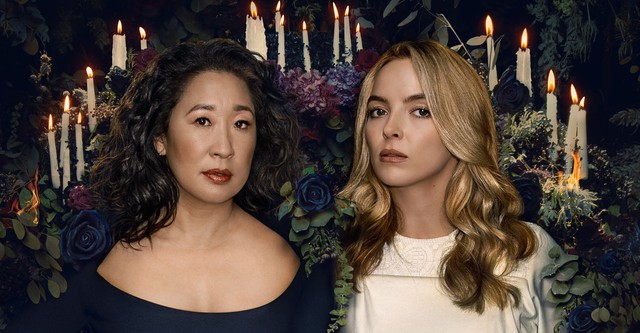
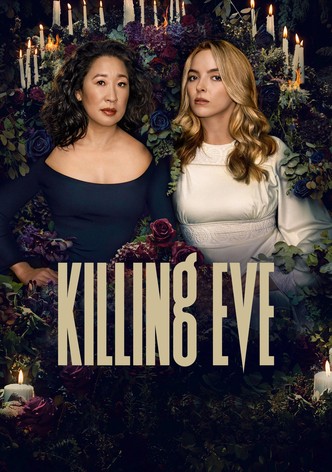
Killing Eve, a show written by Fleabag creator Phoebe Waller-Bridge and starring Sandra Oh (Grey's Anatomy), Jodie Comer (28 Years Later) and Fiona Shaw (Andor), tells the story of an intelligence officer who becomes obsessed with the lethal assassin she’s been tasked with hunting down—a feeling that soon becomes mutual.
That delicious setup was enough to sustain the show for four seasons and 32 episodes (a huge length for the BBC) while allowing fans to speculate on what the characters might eventually mean to each other. In the end, the decision to take a sharp and unexpected turn in the finale proved both dissatisfying and underdeveloped to the show’s many fans.


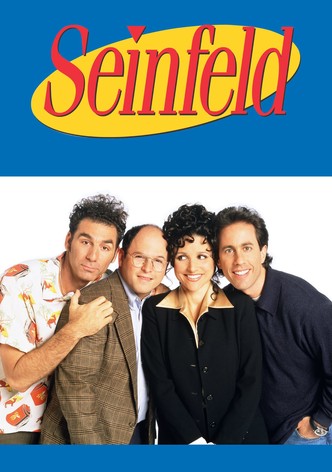
Similar to Gilmore Girls, Seinfeld fans (in a way) got to revisit and dissect their frustrations at the show’s original final seasons during various points in series creator Larry David’s later show, Curb Your Enthusiasm. The writer actually left Seinfeld after Season 7, and most fans agree that the post-David years (Seasons 8-9) are just not on the level of what came before.
The most divisive part was the show’s grand finale, an unsatisfying meta experiment during which Jerry, Elaine, Kramer and George go on trial, allowing characters from previous seasons to come out and grill them on their behaviour. David didn’t write it, but he did recreate it in his finale for Curb, giving Seinfeld fans an unlikely bit of closure a full 26 years after the episode originally aired.


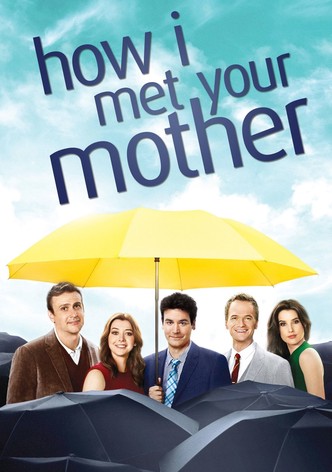
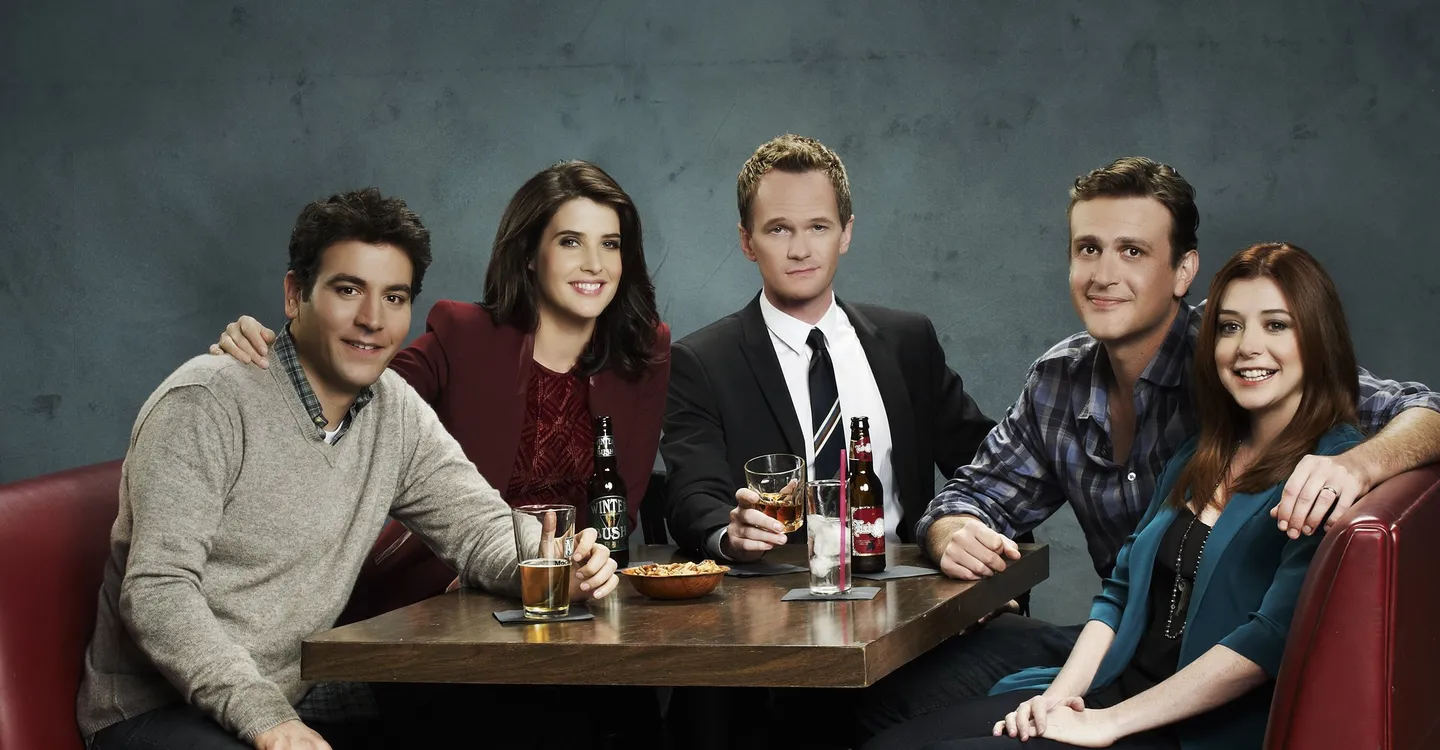
For a series that basically set up its own finale in the words of its title, giving itself nine seasons and as many years to prepare, it’s amazing how much How I Met Your Mother eventually got wrong—at least in the eyes of some sections of the fanbase.
It’s true, the How I Met Your Mother finale had one main job, and while The Mother, Tracy McConnell (played by the great Cristin Milioti), was successfully introduced at the end of Season 8, fans were disappointed by how little screentime she was given in Season 9. On top of that, the series’ 22-episode arc took place exclusively during the weekend of Barney and Robin’s wedding, only for the show to reveal, at the very end, that they divorced three years later. Harsh.


Another series that attempted to offer some closure, a good few years after the fact, was Dexter. This is a series (a bit similar to shows like Hannibal and You) about a CSI investigator who moonlights as a serial killer — or was it the other way around?
The 2013 finale, in which our morally dubious hero leaves it all to become a lumberjack, left most fans scratching their heads. A new and more satisfying finale was then promised in Dexter: New Blood, released in 2021 and 2022, but the showrunners again dropped the ball, at least in the eyes of many fans—and, barring supernatural forces, there’s no coming back from that one.