8 Anime To Watch If You Love One Piece and Where to Stream Them

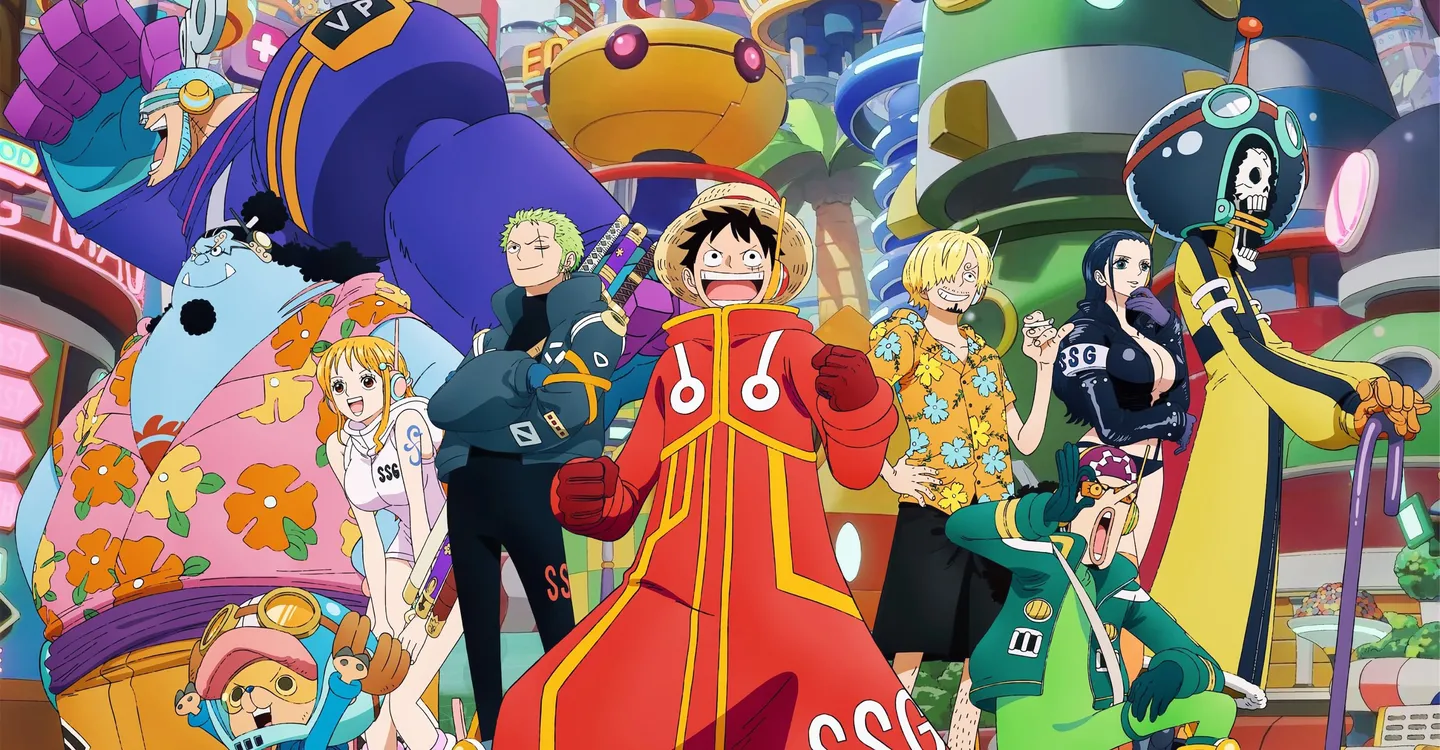
Eiichiro Oda’s One Piece is widely considered one of the best anime of all time. The series has been going strong and entertaining viewers with their straw-hat pirate adventures for over 20 years now, sprawling over 15 films, several short films, and a blockbuster live-action Netflix series in its ever growing universe. If you’ve made it through the 1000+ episodes of One Piece, and are ready to move onto your next epic anime beaming with adventure, friendship, and grand storytelling, then here are 8 other shows you should watch next:


If you’re looking for another quirky, lighthearted pirate adventure to sink your teeth into, Bodacious Space Pirates is a solid contender. The series follows Marika Kato, an ordinary high school girl thrust into the world of space piracy after suddenly inheriting the command of her father’s spaceship. Even though both shows are pirate adventures, they couldn’t be more different. Bodacious Space Pirates is more slice-of-life, lacking the same tightly knit crew bonds and high-stakes, world-spanning adventures that make One Piece so epic.
The show’s space backdrop makes it an especially interesting watch for fans of sci-fi adventures. The female led crew also makes this a great pick for fans of strong heroine led adventures like Sailor Moon and Little Witch Academia. Honestly, with only 26 episodes, and a light easy-going episodic format, it's the kind of show you don’t have to think twice before starting because you can binge through all of it in one sitting.


If you’re a millennial, you probably have vague memories of watching random episodes of Inuyasha on AniMax back in the early 2000s. Though not as popular as Dragon Ball or One Piece, InuYasha is a beloved fantasy anime that still continues to hold up. The series follows Kagome, a modern day high-school girl who accidentally finds herself transported back to the Sengoku era, where she teams up with the half-demon Inuyasha to recover a powerful Shikon Jewel.
Like One Piece, Inuyasha’s core adventure is rooted in finding one ultimate treasure, the Shikon Jewel, with several sub-plots and character-driven arcs branching off along the way. But where it differs, is its finite timeline. Unlike One Piece and Dragon Ball, Inuyasha manages to wrap up its main storyline in under 200 episodes, with films serving as bonus content for fans, making it as low-commitment as Death Note or My Hero Academia. With its healthy mix of demon-slaying action, heartfelt romantic arcs, and time-travel fantasy, Inuyasha caters to fans of both shönen and shojo anime. It’s also a solid pick for anyone interested in learning more about Japanese history and folklore.


Trading One Piece’s Japanese high-seas for a Middle Eastern setting, Magi: The Labyrinth of Magic reimagines an all too familiar classic fable in classic shönen anime fashion. Heavily inspired by Arabian Nights, the series follows Aladdin, a mysterious boy with a magical flute, and his allies as they journey through dungeons in search of treasure.
Much like One Piece, Magi follows a ragtag team united by their love for grand adventure, and search for treasure. But Magi shifts the focus from funny antics and goofy camaraderie to a more mythic, magic-heavy journey, weaving in themes of destiny, political intrigue, and the clash between empires, making it enjoyable for fans of fantasy worldbuilding, magical systems, adventure-driven plots, and anyone who grew up loving the original stories. At the same time, if you’re a purist, or someone after the pure comic relief that One Piece thrives on, you might find Magi less appealing.


Taking Luffy’s love for food to a whole new level, Toriko, is a one of a kind adventure series following a gourmet hunter and his timid chef as they journey through vast lands to capture rare ingredients, and fight deadly beasts. If you love outrageous shönen battles, bizarre worldbuilding, and the same adventure of the week feel as One Piece then you’ll really enjoy Toriko.
That said, Toriko revels in silliness, making it land thin for fans who want deep emotional arcs, tightly built lore, and a crew as tightly knit as the Straw Hats to balance all the quirkiness. If you’re looking for something more all-rounded and wholesome like One Piece, then you’ll enjoy the classics like Dragon Ball, Naruto, Fairy Tailor Bleach, a lot more.


A part of the Big Three shönen that defined 2000s anime culture alongside One Piece and Naruto, Bleach is the more intense, stylised, and brooding entry. It follows the journey of Ichigo Kurosaki, a teenager who gains the powers of a Soul Reaper and dedicates his life to protecting humans from evil spirits while guiding souls to the afterlife.
Bleach shares the same DNA as One Piece, with long arcs, flashy battles, diverse powers, and a large ensemble cast, but it presents them through a more serious lens, focusing on themes like duty, vengeance, and identity. If you’re looking for an edgier, more dramatic shönen anime with equally epic battles, cool characters, and darker themes, then Bleach is worth checking out. However, if what you loved about One Piece is the goofy humour, pirate camaraderie, and lighthearted adventure, then Bleach, with its long filler arcs and heavier tone, might not be the best pick for you.








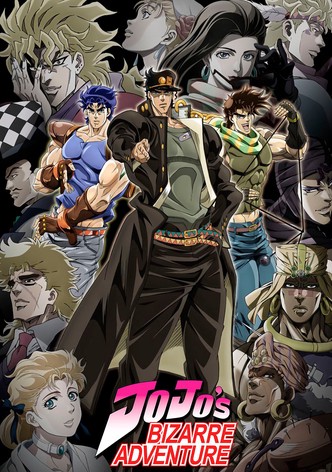
One of the most uniquely structured anime ever made, Jojo’s Bizarre Adventure follows the Joestar family across different eras, as each new generation inherits the family’s strange powers and battles against supernatural enemies. With its long-running, largely self-contained arcs, creative powers, and epic adventures across diverse settings, JoJo’s Bizarre Adventure is a natural follow-up for fans of One Piece, but it’s also a great pick for those who enjoy colourful casts, comedic banter, and magic-based battles, like in Fairy Tail and Seven Deadly Sins.
Jojo’s Bizarre Adventure is perfect for fans who enjoy bold art styles, over-the-top battles, and dramatic storytelling, and especially those who enjoyed the creativity of One Piece’s powers but craved something more unpredictable and eccentric. That said, if you prefer grounded narratives or consistent storytelling, then you might find Jojo’s constantly changing cast and shifting tones too disjointed. If you’re looking for a show with a long, consistent storyline and deeper emotional arcs consider watching Naruto or Bleach instead,



Hunter x Hunter is the story of Gon Francis, a bright eyed boy who sets out to become a licensed hunter and uncover the mystery of his missing father. Like One Piece, it’s a show rooted in grand adventure, strong friendships, and richly imagined worldbuilding, but its arc by arc structure and psychological battles place it closer to JoJo’s Bizarre Adventure. If you’re looking for a show that’s just as ambitious as One Piece but with more strategic depth, then Hunter x Hunter is one of the strongest picks. But if you’re expecting the same lighthearted, consistently funny tone of One Piece, then Hunter x Hunter may not be the best pick for you. Even though the show does start out bright and adventurous, the series gradually becomes darker, slower, and more philosophical. In short, it’s not ideal for fans who want simple good-vs-evil storytelling or constant comic relief, as it rewards patience and emotional investment over instant payoff.




If there’s one show that captures the heart and spirit of One Piece more than any other it’s Fairy Tail. The series follows Lucy, a celestial wizard and her fiery companion Natsu as they embark on new adventures after joining the boisterous Fairy Guild. Much like One Piece’s Straw Hat crew, the Fairy Tail guild feels very much like a true family, making this show a must watch for fans of shows about found families, adventure, magic, and battles. If you’re looking for another long running series to follow up your neverending One Piece marathon, then Fairy Tail is the closest match.
That said, Fairy Tail trades the sprawling world-building and layered storytelling of One Piece for a more episodic, magic-based format filled with over-the-top emotions, fanservice, and big power-of-friendship moments. It’s a perfect pick for fans who love heartfelt camaraderie, flashy magic fights, and lighthearted fantasy adventures, but might not appeal to those who prefer the complex politics, moral depth, or unpredictable world-building of One Piece or Hunter x Hunter.