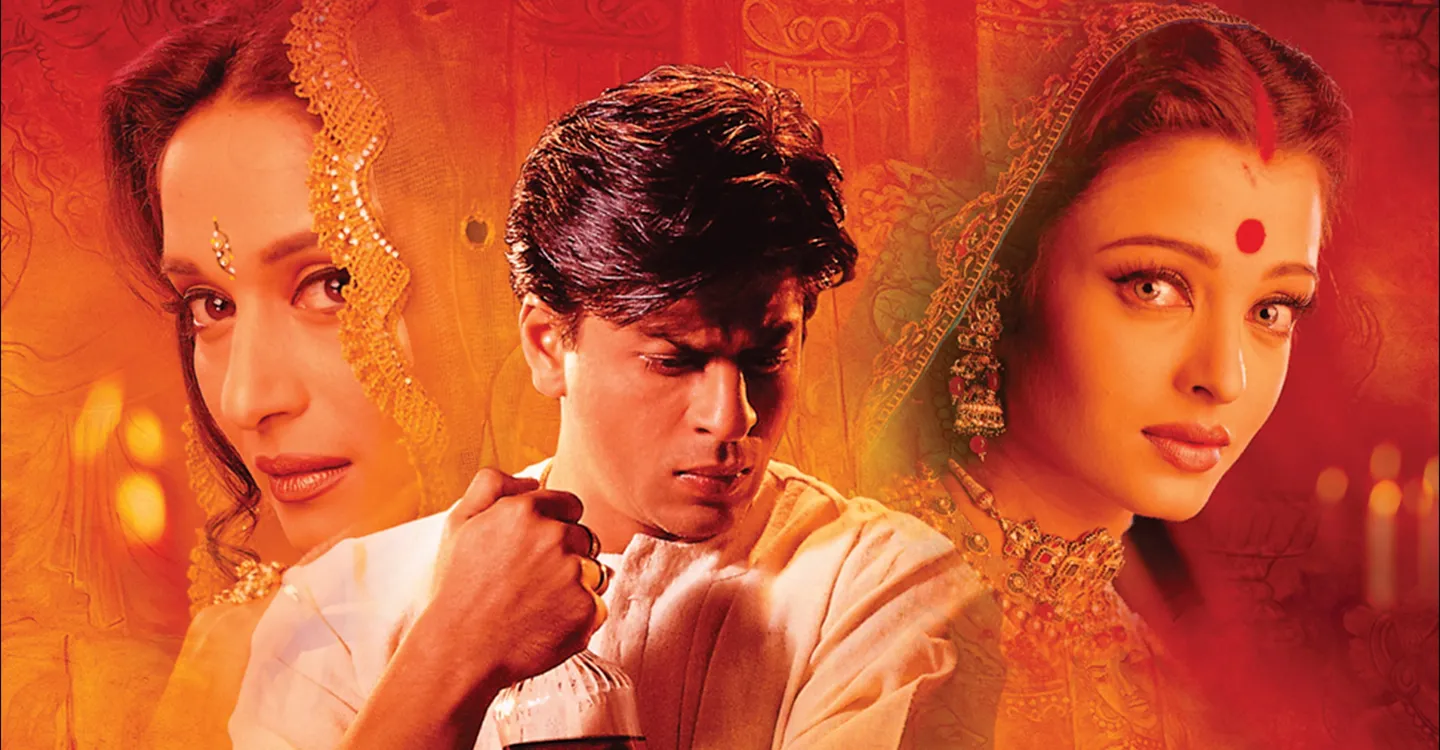
Top 10 Movies Every Devdas Fan Should Watch In Their Lifetime

Before Sanjay Leela Bhansali went on to revive half of Mughal history on screen, he gave us Devdas, a timeless love story about childhood sweethearts torn apart by family drama, societal rules, and one man’s truly toxic relationship with alcohol.
It’s tragic, beautiful, and it graced us with some of Bollywood’s most iconic moments, from Paro running with the diya, to Madhuri’s unforgettable dance moves. If you loved the heartbreak, the drama, and the grandeur of Devdas, then here are 10 films you should watch next:


Bajirao Mastani is a grand historical epic that brings Bhansali’s signature visual style to the forefront. The film follows the Maratha Peshwa Bajirao, his love for Mastani, and the political and familial challenges that test their relationship. With Bajirao Mastani you get the sweeping grandeur and royal intrigue of Padmaavat combined with the tragic, obsessive romance of Devdas. It’s the best of Bhansali coming to life with opulent sets, intricate costumes, and intense battle sequences. It’s a must-watch for fans of sweeping drama, epic period romances, and visual spectacle. Whether you’re drawn to historical narratives, complex love stories, or simply crave visual grandeur, Bajirao Mastani delivers a cinematic experience which, like Devdas, stays with you long after the credits roll.




Shyam Benegal’s most mainstream film yet, Zubeidaa stars Karisma Kapoor as an aspiring actress trapped in an unhappy marriage to a king. Released around the same time as Devdas, Zubeidaa is also a tragic story about unfulfilled love, told through grand sets, A.R. Rahman’s emotive music, and a cast of Bollywood heavyweights. Like Umrao Jaan, Zubeidaa is a lot more female-centric than Devdas, but with a more contemporary mid-20th century take. If you’re looking for a more grounded, modern day tragedy that’ll leave you thinking about the film long after the credits roll, Zubeidaa fits the bill. Blending art-house sensibilities with mainstream storytelling, Zubeidaa is a solid choice for fans of both parallel cinema and more mainstream movies. However, the movie does tend to get pretty intense and heavy-handed at times, and even though it’s Benegal’s most commercial outing yet, it still doesn’t have the mass-market appeal of films like Veer-Zaara or Padmaavat.








Raanjhanaa is an ill-fated love story, but unlike any other movie on the list, it’s rooted more in the dark side of jealousy, obsession, and youthful impulsiveness. Set in the present day, the movie follows Kundan, a young man whose lifelong unrequited love leads him into a complex love triangle engulfed in tragedy.Raanjhanaa is ideal for viewers who enjoy intense romantic dramas, especially those with complex characters and moral ambiguities like Dev.D or Marjaavaan. It’s also a great pick for fans of Devdas looking for a more modern, contemporary love story. On the other hand, Raanjhanaa couldn’t be further from Devdas in terms of setting, costumes, or overall grandeur, so if you’re after the same Bhansali-style backdrop you’re better off watching Padmaavat or Bajirao Mastani.


A break from complete tragedy, Parineeta, follows the turbulent love story between two childhood friends whose bond is tested by societal expectations, their families, and personal misunderstandings all while navigating the path of first love. It’s got its sad moments but it’s nowhere near as melancholic or painstakingly heartbreaking as Devdas or Padmaavat. Parineeta is a lot more intimate and understated compared to the regal entries on the list like Umrao Jaan, Padmaavat, or Bajirao Mastani, leaning more into delicate emotions rather than over-the-top spectacle. It’s the perfect pick for fans of classic, slow burn romances, poetic storytelling, and everyday love stories, the kind you’d see in films like Hum Dil De Chuke Sanam. Trigger warning: Parineeta contains scenes with domestic violence which may be unsettling for some viewers.
Parineeta is not available for streaming.
Let us notify you when you can watch it.

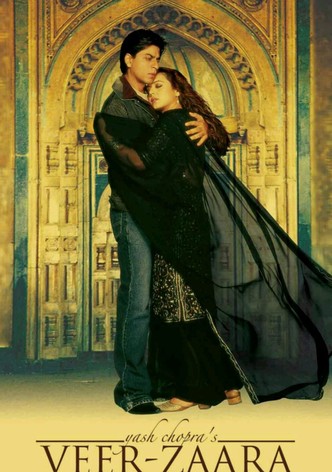
No love triangles, no self-destructive protagonists, and no blood-soaked vendettas—at first glance, Veer-Zaara might seem too clean cut for this list. But where films like Devdas, Zubeidaa, and Raanjhanaa revel in destruction and tragedy, Veer-Zaara shines as a beacon of hope showing that sometimes love does conquer all. Marking Yash Chopra’s return to the director’s chair, Veer-Zaara is a story about two soulmates separated by time and politics, anchored by Shah Rukh Khan and Preity Zinta’s powerhouse performances. The movie is a solid pick for fans who enjoy sweeping cross-border romances, emotional drama, and soulful music. It’s more accessible and family-friendly than the rest of the darker entries on this list like Dev.D or Raanjhanaa. Veer-Zaara tackles sensitive themes, but at its core, it’s a traditional old school Bollywood romance, which will appeal to fans looking for a more hopeful or idealistic take on the classic star-crossed lovers trope. However, if you’re looking for a movie with morally grey characters, and subversive takes on relationships then you might find this traditional romance too safe or predictable.




If you felt like the sets in Devdas were grand and breathtaking, wait till you watch Padmaavat. Bhansali takes opulence to another level here with towering palaces, intricate costumes, and sweeping landscapes that make every frame feel like a moving painting. The story tells the legendary tale of Rani Padmavati whose kingdom becomes the target of the ambitious Sultan Alauddin Khilji.Padmaavat is less about romance and self-sabotaging protagonists and more about honour, royal duty, and sacrifice. In terms of tone and scale it’s closer to Bhansali’s other regal works like Bajirao Mastani and Heeramandi, making it a perfect pick for fans of epic, historical romances, high-stakes drama, and cinematic spectacle like Jodhaa Akbar or Manikarnika. Padmaavat is a lot slower in pacing than Devdas, with extended sequences devoted to court politics, rituals, and grandiose visuals. If you’re looking for a more intimate, character-driven story, then you’ll probably enjoy the next entry on this list a lot more.

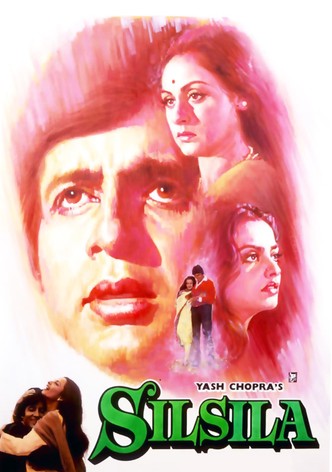
Starring Amitabh Bachchan, Rekha, and Jaya Bachchan in a scandalous love triangle, Silsila is one of Bollywood’s most talked about and iconic films. Keeping the film’s inspired casting choice aside, Silsila offers a grounded, intimate, and emotionally raw take on infidelity in a way that mainstream Indian cinema had never explored before. It’s similar to Devdas in its intense emotional core and exploration of love constrained by societal norms, but while Devdas is tragic and melodramatic, Silsila is more contemporary in style. It’s a must-watch for cinephiles, fans of intense, adult romance dramas like Marriage Story and Kabhi Alvida Naa Kehna, and anyone who’s looking for a film with the same level of romantic gravity as Devdas. It’s also an interesting watch for modern day audiences who are curious about how cinema has evolved over the decades in portraying themes like infidelity and love triangles on screen from Silsila to more recent entries like Gehraiyaan.


Love triangles have always been a hallmark of Sanjay Leela Bhansali’s films, but unlike the grand entanglements of Padmaavat, Bajirao Mastani, or even Devdas, Hum Dil De Chuke Sanam’s love triangle makes you root for every character. Each character is likeable, and the movie isn’t drowning in sorrow making it a more accessible watch that even mainstream audiences would enjoy. It’s a perfect pick for fans of sweeping romantic dramas like Kuch Kuch Hota Hai and Dil To Pagal Hai. If you’re mesmerized by Aishwarya’s graceful performance as Paro, then Hum Dil De Chuke Sanam is a fitting follow up; also, without giving away too many spoilers, in a way the movie will give you some sense of justice for Paro’s constant mistreatment in Devdas. Like Veer-Zaara, Hum Dil De Chuke Sanam is more hopeful than the rest of the entries on this list, so it’s not the right choice for fans who are purely after something as brooding and melancholic as Devdas.


If Devdas is about a man’s downfall due to unfulfilled love, then Umrao Jaan is its feminine counterpart reflecting how women too are bound by societal chains and are doomed to suffer for it. The story follows Umrao, a young girl kidnapped as a child and sold into a courtesan house, where she grows up to be a famed poet and courtesan. If you’re new to Indian cinema, think of it as an Indian counterpart to Memoirs of a Geisha, just replacing Japan’s geisha culture with 19th century Lucknow. Fans of Devdas, who are looking for another tragic, poetic love story drenched in music and melancholy will love Umrao Jaan. The movie is a must watch for anyone who loves classic Bollywood films, movies about forbidden love, and sweeping period-dramas like Jodhaa Akbar or Pakeezah. If you’ve ever wondered why Rekha is a living legend, this movie is the answer. Umrao Jaan is as much an integral part of Indian cinema’s history as Devdas is. That said, Umrao Jaan is a lot quieter, slower, and melancholic which makes it a miss for fans chasing the same fast-paced drama and heightened emotions as Devdas.
Umrao Jaan is not available for streaming.
Let us notify you when you can watch it.
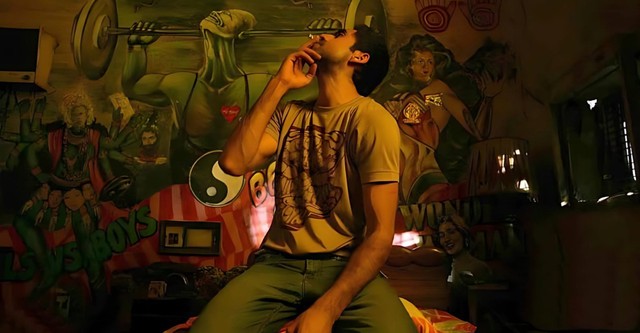

What if Devdas was made in today’s day and age? Anurag Kashyap’s Dev.D does exactly that but with a modern contemporary twist that earns it the top spot on our list. Much like Devdas, Dev.D is about a rich privileged man who digs himself into a hole of depression, alcoholism, and self-sabotage thanks to a series of bad choices. But it swaps the traditional and melodramatic setting of Devdas for a more realistic and gritty exploration of what love, obsession, and addiction can do to a man. Dev.D is essentially Devdas reimagined for modern day audiences, with edgier storytelling, dark humour infused with tragedy, and more fearless storytelling. Fans of contemporary tragic romances like Marjaavaan or Raanjhanaa will find a lot to appreciate here, but loyalists of the first film who enjoyed Bhansali’s poetic and traditional approach might find this reimagining too jarring.