‘The Deputy’ And 9 Other Southern-Fried Noir Movies You Can’t Sleep On

The noir genre is one of the definitive approaches to popular filmmaking. The film industry cemented the tropes in the Golden Age of Hollywood, with titles like The Maltese Falcon (1941) underscoring the importance of morally dubious protagonists, femme fatales, twisty reveals, and dangerous mysteries to the genre. However, while many of the best entries in the genre take place in massive cityscapes, there are plenty of entries in the genre that do something different.
There's the neo-noir of the ‘60s like Chinatown (1974), the cyberpunk noir of Blade Runner (1982), even family-friendly cartoon noir like Zootopia (2016). One of the best examples, though, is the southern-fried noir that relocates the tropes of the genre to rural communities in the American South. In fact, there's a long history of this style of film, going from iconic contributions of ‘50s cinema to modern-day tweaks on the concept. Here are the best Southern noir films to dive into.


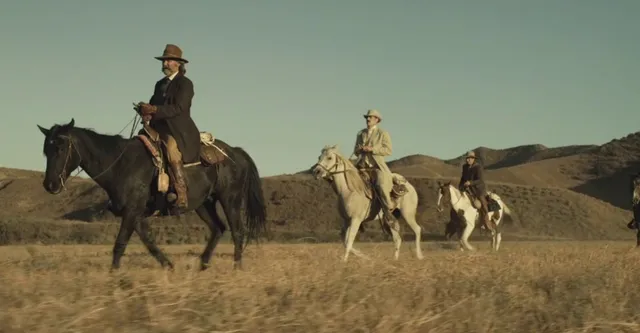
Structurally driven by the tropes of the noir genre in the same way that Logan Lucky (2017) played with the heist genre, The Deputy leans hard into its southern roots for much of its presentation and story. Focusing on a lazy deputy in a small Oklahoma town, The Deputy’s winding web of chaos is set off when Duke Nicholson's Toby blows off an assignment and allows a body to be stolen.
A converging web of lies and tweaked tropes comes into play, with clever little touches like a femme fatale whose charms are rendered moot by her inability to speak English or a crooked cop who is involved in a more topical human smuggling ring than the kind of crimes the noir genre is best known for. While there’s not a lot going on under the surface, The Deputy is a good western take on the noir concepts.







An iconic gothic horror/thriller, there are enough underlying tense elements to make The Night of the Hunter a great pick for noir fans. The vibes and aesthetic of the black-and-white film are rooted deeply in the same shadows that typically illustrate the genre.
The movie's clever use of lighting gives way to Robert Mitchum's Harry Powell, a murderer who disguises himself as a preacher while on the hunt for $10,000 in stolen cash. Mitchum's performance is an all-time great example of creepy tenor beneath a soft exterior—a classic of the genre. One of the most quietly influential films of all time, the moody atmosphere, southern setting, and terrific production make this a great noir-tinted thriller for fans of Alfred Hitchcock movies like Shadow of a Doubt (1943).













Based on the play by Tracy Letts of the same name, Killer Joe is a grimly hilarious thriller of errors set in Texas that explores the bleak and selfish side of the noir genre. The film focuses on a self-destructive and short-sighted family in Dallas who recruit a local police officer who moonlights as a hitman to take out their matriarch for the insurance money.
What follows is a comedy that takes the noir conventions and plays them for surprising bouts of unexpected comedy. A showcase of dysfunction that highlights how clever characters aren't crucial to an effective noir story, Killer Joe is a bleak film that has enough pitch-black charm to keep the audience engaged.











More of a neo-western than anything else, there’s a definitive cross-pollination between cowboy movies and noir crime thrillers in the Coen Brothers’ Oscar-winning No Country for Old Men. When a hunter moving through the desert finds $2 million in cash after stumbling across a drug deal that went poorly, the cartel hires a hitman named Anton Chigurh to hunt down the cash.
Filmed with the same clever touches and grim comedy of movies like A Serious Man (2009), the Coen Brothers revisit the South for a far harsher film than their joyful experiences in O Brother, Where Art Thou? (2000), No Country for Old Men is a terrific fusion of genres that still stands on its own as an effective thriller.





A neo-noir set that blends crime tropes with the seedy charms of New Orleans, The Big Easy is a terrific noir film rooted in the South. The film follows Remy McSwain and Anne Osborne, a police lieutenant and district attorney whose investigation of a brewing crime is complicated by a brewing romance between them—and Anne's fears that Remy may be corrupt.
Fueled by a lot of the same twisty noir tropes that often define the genre, The Big Easy uses its setting to infuse the entire movie with a purposefully sweaty and heavy narrative that nevertheless never loses sight of the romanticism that the genre can pull out of otherwise grim material.





A crucial film of the ‘60s and with a blunt approach to racial tension in Mississippi in the ‘60s, In the Heat of the Night remains one of Sidney Poitier's most impressive films. The film follows Poitier's Virgil Tibbs, a Philadelphia police officer who finds himself tasked with investigating a murdered company owner in the rural South.
The film ratchets up the tension by highlighting the racial tensions of the ‘60s, with a bluntness that's impossible to ignore. All bolstered by a terrific performance by Poitier who wasn't afraid to be confrontational in an era where resistance was often met with violence, there's a direct pipeline from the film's approach to racial tension in the noir and crime-thriller genre reflected in modern descendants like BlackKKKlansman (2018) and By Any Means (2026).





Set in Missouri, Winter's Bone is an intriguing mystery drama that helped transform Jennifer Lawrence into a star. When a teenage Ree finds out that her family will lose their home unless her missing father is found, she embarks on an investigation through the Ozarks in search of her dad.
Despite the unique perspective of having a young woman at the heart of the film, the mystery reflects the noir trappings with underworld connections and grim questions. The tense character focus is a great example of the noir genre trappings being shifted to a compellingly grounded perspective.








Written by True Detective (2014) creator Nic Pizzolatto, Galveston is a noir-tinted revenge thriller that uses the Texas setting to great effect. Following a dying hitman who is torn by his desire for revenge and his efforts to protect a young woman he encounters on his way back home from New Orleans to Texas, Galveston benefits from a moody tone and bittersweet tenor that reflects the general vibe of the noir genre.
It helps that Pizzolatto's script reflects the filmmaker's talent for infusing a grim sense of noir mystery into realistic southern settings, laying the groundwork for a compelling human drama that retains a solid balance between a noir-inspired revenge story and a redemption tale.



David Lynch is a director best known for his surreal dramas like The Elephant Man (1980), but the filmmaker was always well-suited for noir-inspired stories like Twin Peaks (1990)—with one of his best films being the creepy southern story, Blue Velvet.
Moody and strange in equal measure, the film has enough unsettling touches to be a clear entry in David Lynch's filmography without losing the Southern Gothic touches and noir trappings. The result is a movie that feels deeply indebted to the mystery genre even when it's introducing strange crime bosses who use oxygen tanks.





The sequel to Harper (1966), The Drowning Pool is a great little southern-baked noir mystery that benefits from having Paul Newman at the center of the mystery. The film revisits P.I. Lew Harper as he heads to Louisiana to help out an ex, only to discover a conspiracy that's perfectly attuned to the reluctant nobility and clever craftiness that make for the best noir characters.
There are twists and turns, lethal operators moving behind the scenes and friendly faces who reveal themselves to be far shadier than they initially appear. It's also a film that never loses sight of the southern inspiration, speaking to the way the southern-set drama and the crime-ridden noir genre can come together to create something slick, sweaty, and spectacular.