6 Roles Originally Written For Men That Women Made Iconic

For a long time, women in movies weren't exactly steering the story. They were there, sure, but usually they were just off to the side, reacting to whatever sort of trouble the male lead had gotten himself into. The girlfriend. The wife. The character who inevitably turns to the hero and asks, somewhat helplessly, "What do we do now?" Reese Witherspoon once called this her most hated line in film.
According to Witherspoon, during her speech at the 2015 Glamour Women of the Year Awards, if you go back and watch enough movies, you'll hear it everywhere; like when a woman asks a man what the plan is. It's a small moment, but it says a lot about how female characters were often written, which was less like protagonists and more like narrative accessories.
Thankfully, filmmakers have been pushing back against that idea. One of the most interesting ways they've done it is by taking roles that were originally written for men and giving them to women instead. From alien-fighting heroes to astronauts and secret agents, these actresses stepped into roles that weren't initially written for them—and absolutely made them their own.
And if you want to see how it all plays out, many of these movies are currently streaming on platforms like Netflix, HBO Max, and Disney+.
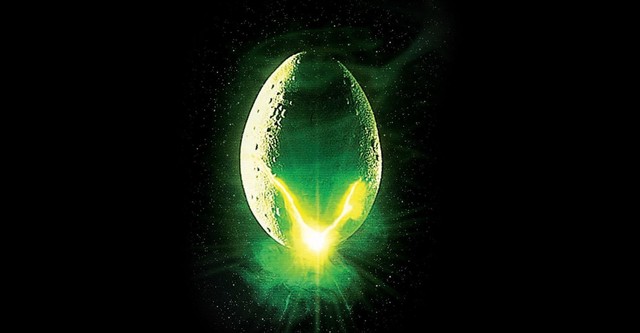
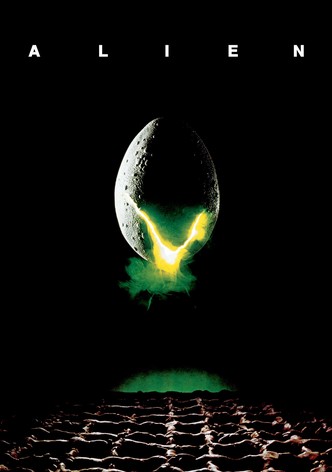

Alien begins with what feels like a fairly standard sci-fi premise as the crew of the commercial spaceship Nostromo responds to a mysterious distress signal on a remote planet. They eventually discover an alien organism that begins picking them off one by one. At the center of the story is warrant officer Ellen Ripley, a character originally written without a specific gender before Sigourney Weaver stepped in.
What makes Ripley such an iconic protagonist is that she isn't written as an action hero in the traditional sense. She's simply the one crew member paying attention, asking the right questions, and refusing to ignore the obvious danger. Weaver plays the role with an intelligence that makes every decision feel believable. It's perfect for viewers who enjoy sci-fi horrors like The Thing (1982).











In the James Bond franchise, M is the head of MI6 and is traditionally portrayed as male throughout Ian Fleming's novels and earlier films. That changed in GoldenEye when Judi Dench stepped into the role opposite Pierce Brosnan's Bond, who is working to stop a secret space-based weapon, after it is stolen by the Janus crime syndicate.
The casting of Dench instantly reshaped the relationship between Bond and his superior since her version of M is sharp, direct, and refreshingly unimpressed with Bond's usual antics. She delivers cutting dialogue with a level of authority that immediately makes it feel like the role should have been written this way all along. It's perfect for fans of modern spy thrillers like 2012's Skyfall.







Flightplan begins with a terrifying premise. The story follows Kyle Pratt, an aircraft engineer who boards a flight with her daughter, only for the child to seemingly vanish mid-trip. Kyle searches the plane, but the crew and passengers eventually question whether the girl was ever on the plane at all. The director originally wrote the role for Sean Penn before casting Jodie Foster instead.
Foster's performance focuses on the emotional desperation of a parent trying to protect their child. So what could have been a standard thriller about doubt and paranoia turns into something far more tense because Foster makes every moment feel personal. Flightplan is a great choice for fans of suspenseful mystery thrillers like 2014's Gone Girl.


Salt follows CIA officer Evelyn Salt after a Russian defector accuses her of secretly being a sleeper agent. Suddenly branded a traitor, she goes on the run from her own agency while trying to uncover the truth behind the accusation. The role was originally written as a male character with Tom Cruise attached to it before the script was reworked for Angelina Jolie.
What makes Salt interesting is that it strips the spy genre down to the basics. There are no elaborate gadgets, no drawn-out speeches, just a character improvising her way out of dangerous situations. And the gender swap works in the film's favor, because many of the characters chasing Evelyn underestimate what she's capable of. It's ideal for fans of spy thrillers like The Bourne Identity (2002).









Star Wars: The Force Awakens introduces the First Order as the far away galaxy's new authoritarian threat. Among its commanders is Captain Phasma, the officer responsible for training stormtroopers. Phasma was originally written as a male character, with the chrome-armored design initially created as a concept for Kylo Ren (Adam Driver) so that he would look like a "lord of the stormtroopers."
The creative team eventually went with a different design for Ren but decided to use the initial concept for Gwendoline Christie instead, who ultimately stepped into the role of Captain Phasma. The character doesn't have a lot of screen time, but Christie still manages to leave an impression with her calm authority. The Force Awakens is a must for anyone who enjoys sci-fi adventures like 2016's Rogue One: A Star Wars Story.







Everything Everywhere All at Once follows Evelyn Wang (played by Michelle Yeoh), a stressed laundromat owner who suddenly discovers she's connected to countless alternate versions of herself across the multiverse. When a cosmic threat emerges, she's forced to tap into the skills and memories of those other selves to stop it. Jackie Chan was originally considered for the lead role.
But the filmmakers eventually reworked the character for Yeoh. So instead of following a familiar action hero, the film focuses on a woman who feels like she's missed her chance to do something meaningful with her life. Somehow, the movie manages to be completely ridiculous and heartfelt at the same time and is perfect for viewers who enjoy genre-bending movies like Spider-Man: Into the Spider-Verse (2018).