The 'Love Me, Love Me' Cast Have Some Hilarious Guilty Pleasures | Sorry Not Sorry

There was a time when sitcoms were everywhere. You'd catch an episode halfway through, sit down without really deciding to, and suddenly you're there until the end. Television in the '80s, '90s, and 2000s had that rhythm locked in. That's probably why, when the cast of 2026's Love Me, Love Me were asked about their guilty pleasures, they all ended up circling the same type of show.
WATCH: The Love Me, Love Me Cast Reveal Which TV Shows They Love!
"For me, it's The Big Bang Theory [2007]," Luca Melucci told JustWatch while promoting the romantic drama film. "When I see it on TV. I'm like ok, I have to see it until the end of the episode because I love it, and I feel really happy when I'm looking at them."
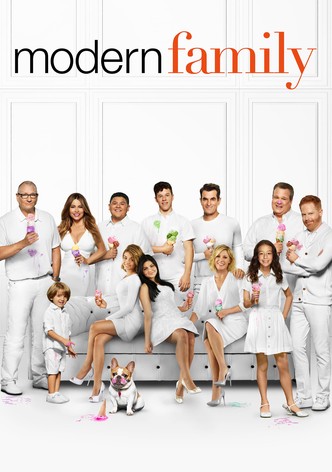
Mia Jenkins doesn't even treat her go-to shows like a secret at all. "I'm not guilty about it. It's always just my pleasure, but I really like Gilmore Girls [2001] and Modern Family [2009]," she said. "They're the ones that I can watch over and over."
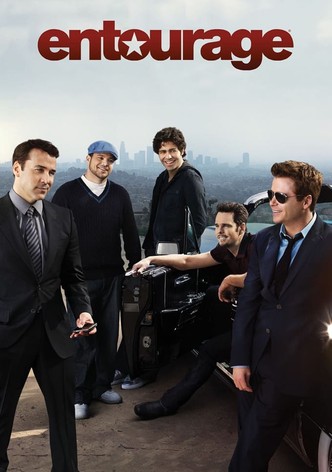
And for Pepe Barroso, it's less about comedy and more about the effect his favorite show has on him. "I don't usually watch much comedy, but if there's one show that I've watched so many times and puts me in a good mood is probably Entourage [2004]," the actor explained.
That particular collection of shows (especially the sitcoms) all point to the same thing. They were built for the kind of viewing that invites people to drop in, stay a while, and leave feeling a bit lighter. That kind of vibe still exists, technically. But very few feel like they belong in your daily routine rather than your watchlist.
Why Old Sitcoms Became Comfort TV
A lot of early 2000s sitcoms (which can be found on Netflix, HBO Max, and more) were designed around repetition. Characters don't change too much. You don't need to remember what happened last week to understand what's happening in the moment you find them. Basically, there's a blanket rest at the end of each episode. That structure meant viewers could drift in and out of them.
You don't sit down to "watch" The Big Bang Theory in the same way you would a serious drama. You just let it run. Same with Modern Family, the rhythm is familiar enough that it almost becomes background, but not in a bad way, more like something that fills the room. And then there are shows like Gilmore Girls and Entourage, which lean more into tone than structure.
You're not really there for plot progression. You're there because you already know how it feels to be in that world. That's the part that is harder to replicate now. A lot of newer shows are built around momentum, so you have to keep watching to keep up. But sitcoms and low-stakes series from that earlier era don't demand that.
The Science Behind Comfort Watching
Psychologists have been looking at why people rewatch the same shows, and the answer keeps coming back to the same idea: familiarity reduces effort. When you already know what's going to happen, your brain doesn't need to stay alert in the same way, so it relaxes. And when your mind switches off a little, your stress levels automatically reduce.
There's also a social side to it. Studies suggest that people form what's called "parasocial relationships" with characters, which are essentially one-sided bonds that still feel emotionally real. Over time, those characters start to feel familiar in a way that mimics real human connection. That's part of why ensemble sitcoms are so popular, because they're built around families or friend groups.
There's even evidence that rewatching your favorite shows can boost mood through brain chemistry. Familiar shows trigger dopamine (the same system linked to reward and anticipation), which helps explain why you already know something will make you feel better before you press play. It's actually a pretty efficient way of regulating how you feel.
Why To Watch These Comfort Shows (And What To Watch After)
Each of these shows works slightly differently, even if they belong in the same comfort group. The Big Bang Theory is structured around punchlines and is easy to drop into. You don't need context. It's built for that "I'll just watch one episode" feeling that turns into three. Gilmore Girls is more story-ish. But you can easily follow the drama of Stars Hollow without having to start from episode one.
Modern Family often has a lot going on. But each installment features that emotional reset at the end of each episode, which is probably why it's so easy to keep going. Entourage fits slightly on the edges of all of that. It's less comforting in the traditional sense and more about mood. But it's easy, a bit escapist, and very consistent in tone.
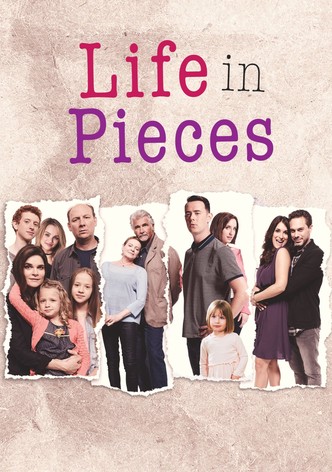
If you're looking for similar shows, 1994's Friends, which follows a group of twenty-somethings as they deal with life in New York City, is a must. Life in Pieces (2015) follows three generations of the Short family. Each episode is broken up into four mini installments told from the perspective of different family members. Sullivan's Crossing (2023) and Ballers (2015) are also worth checking out.